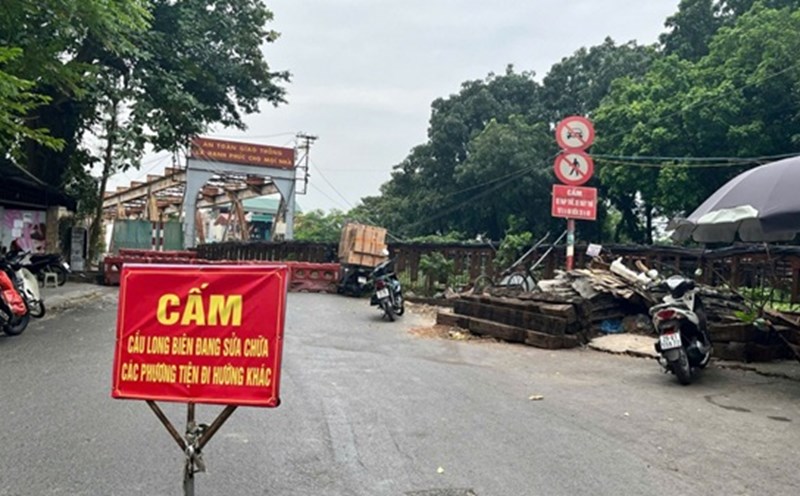
Recorded by Lao Dong reporters on the morning of March 28, before 9 am, vehicles were still circulating normally through Long Bien bridge. The number of motorbikes and bicycles moving was quite large, especially in the direction from Long Bien to the city center. Many people took advantage of crossing the bridge before the curfew hour to avoid having to change routes.
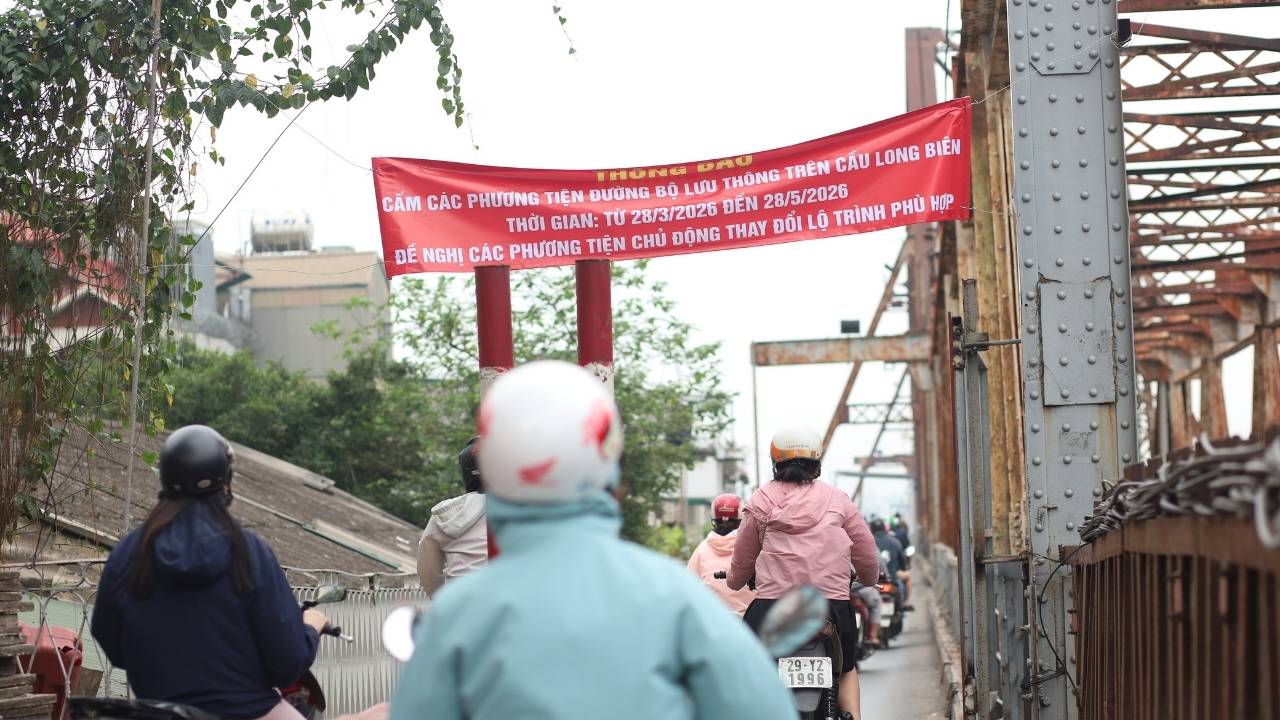
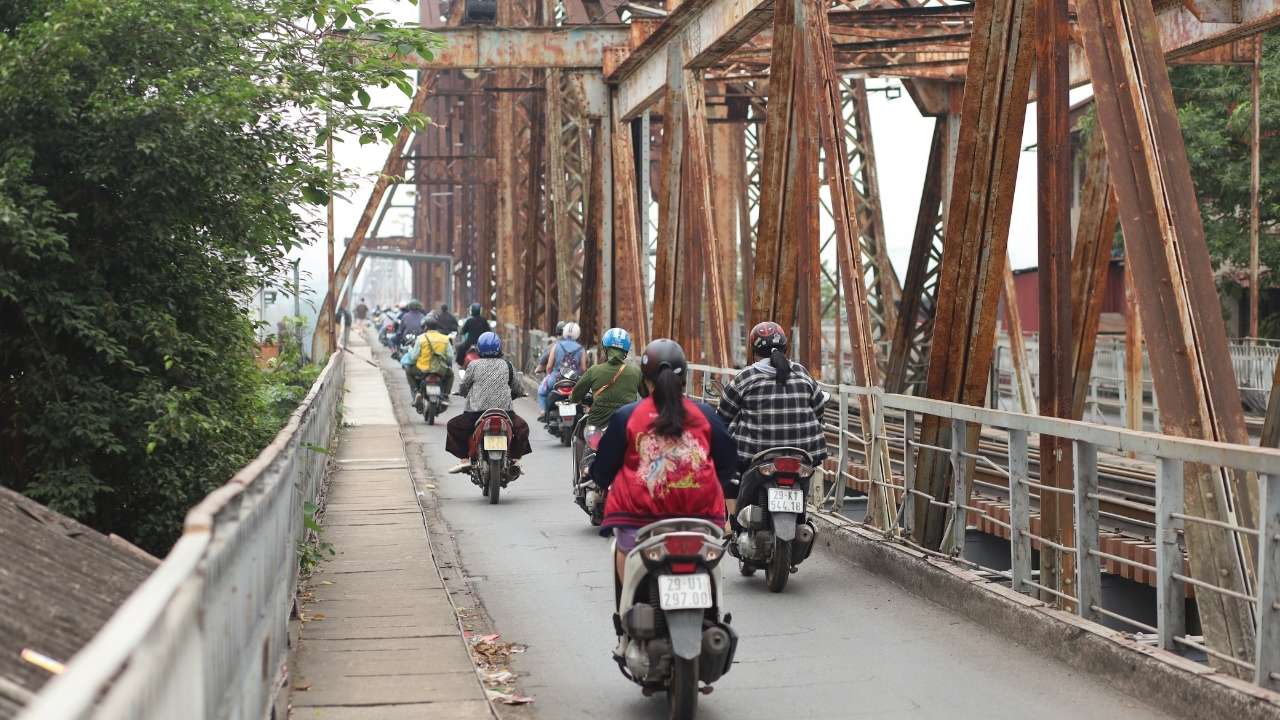
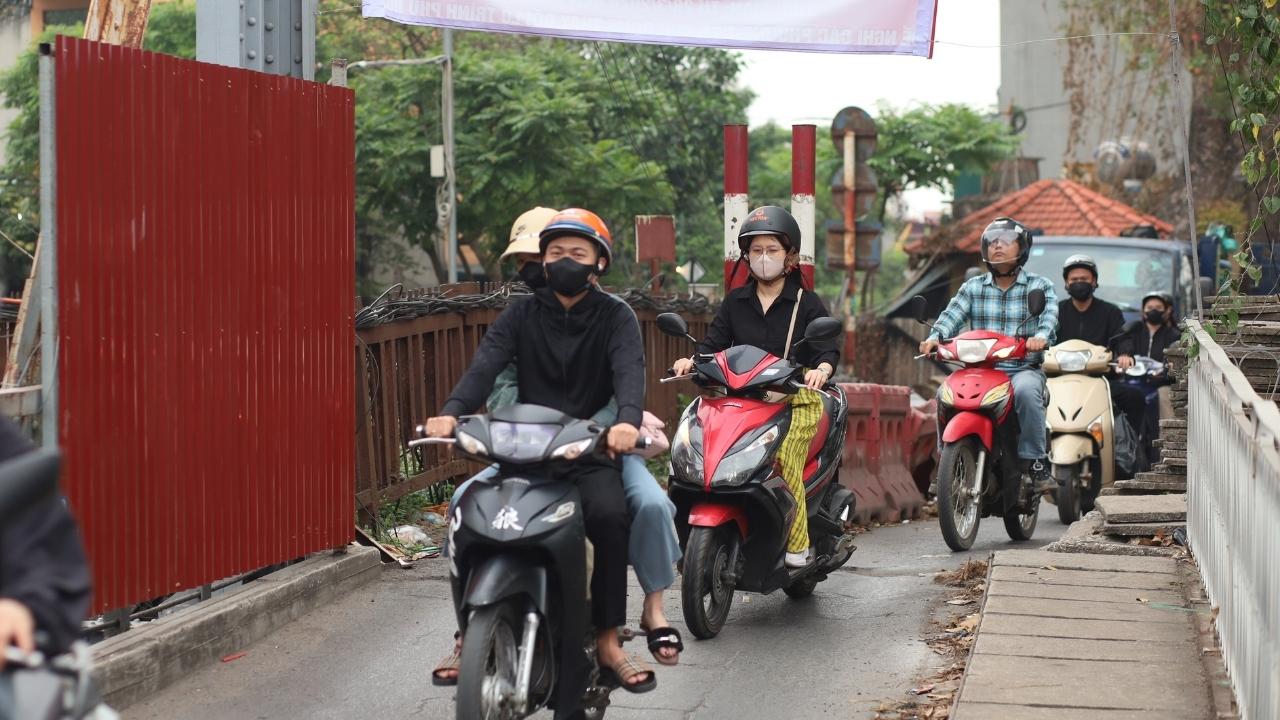
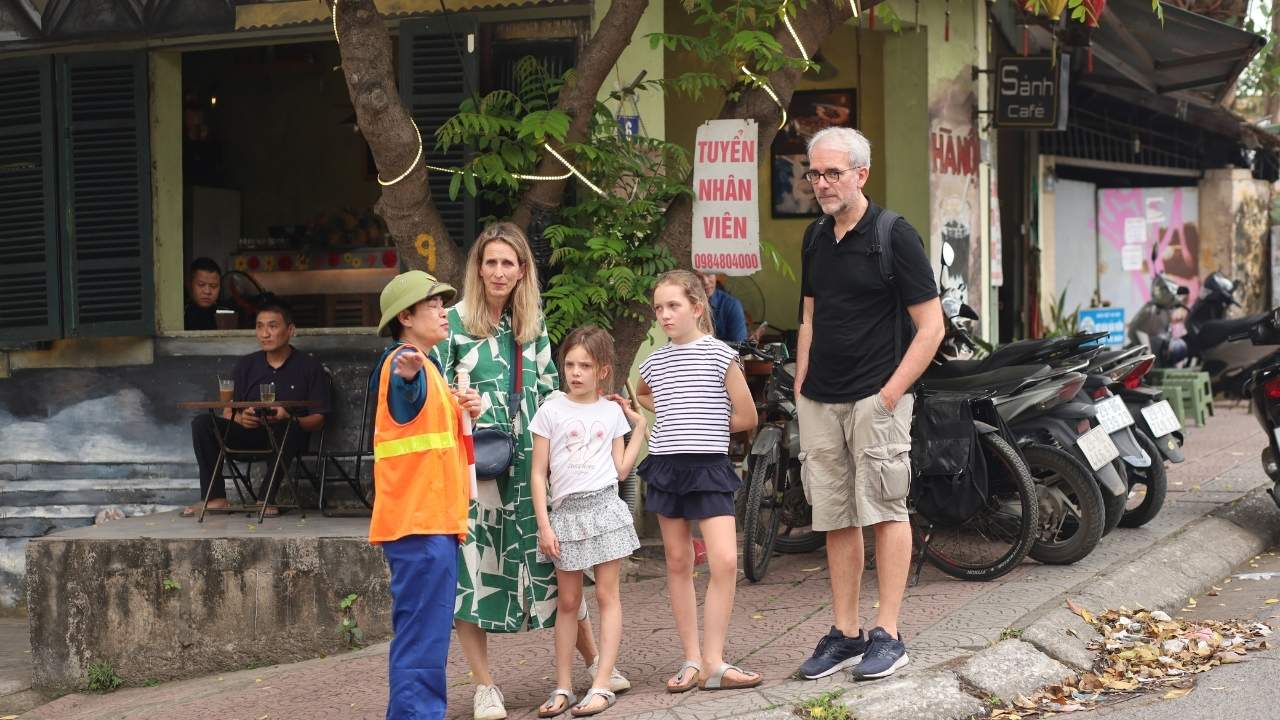
At about 9 am, functional forces began to erect barricades, place no-entry signs at both ends of the bridge and organize traffic diversion. Vehicles were required to turn around or change direction to alternative routes.

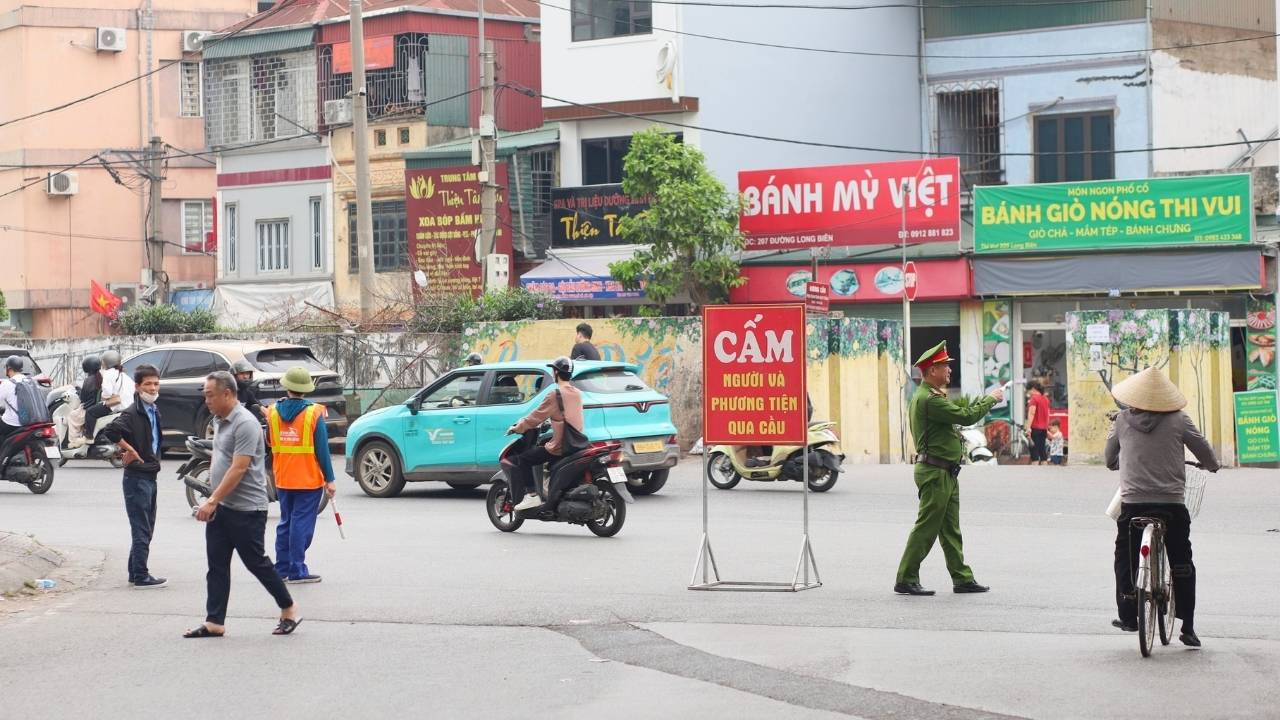
Ms. Thu Hang (Ngoc Lam, Long Bien) said that the ban on vehicles crossing the bridge has significantly changed her daily commuting route.
“Previously, I only took about 10 minutes to cross Long Bien bridge. Now I have to turn around to Chuong Duong bridge, the road is further and more crowded, which will definitely take more time, especially during rush hour," Ms. Hang said.
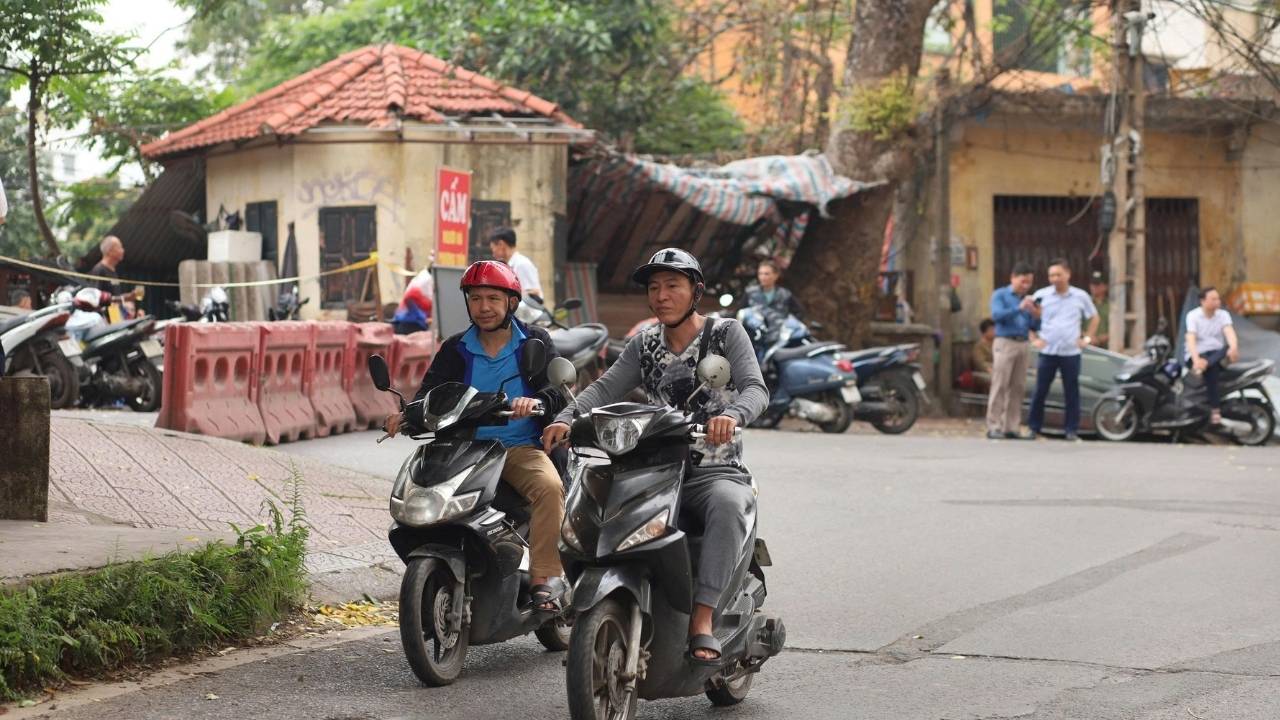
According to records, after Long Bien bridge was closed, most vehicles were regulated to Chuong Duong bridge. Traffic volume here increased rapidly during the morning rush hour, posing a risk of congestion.
Some people said that they had not had time to update traffic adjustment information, so when moving to the area, they turned around and changed direction, causing a loss of time.
The ban on all vehicles crossing Long Bien bridge is expected to last 60 days to serve the construction and repair of the road section on both sides of the bridge, ensuring traffic safety and railway operation. Functional agencies recommend that people proactively grasp information and choose appropriate routes to avoid congestion during construction.