
Reporters' records at the end of 2025, at many locations, show that many projects that were once heavily invested in and located in favorable locations have now fallen into a situation where the doors have been closed for a long time. From specialized agencies to grassroots administrative headquarters, the situation of abandonment is gradually becoming reality, leading to the risk of deterioration and waste of public assets.

The headquarters of the old Nghe An HIV/AIDS Prevention and Control Center is one of the large-scale projects that is no longer in use. The project consists of 3 rows of 3-storey buildings, more than 50 offices, and has been invested with tens of billions of VND.
After the unit was merged into the Nghe An Provincial Center for Disease Control, this headquarters was closed, the campus was overgrown with grass, and many items were degraded over time, showing the risk of wasting public assets if there was no plan to reuse them soon.

Located on Nguyen Thi Minh Khai Street - one of the central routes, the old headquarters of the Nghe An Department of Culture - Sports and Tourism - is currently abandoned after the unit moved to a new location.
Inside the campus, many functional rooms are empty, some items are damaged, and the facade is degraded. The project is located in a favorable location but has not been arranged new functions, raising problems with the efficiency of public land use after the arrangement.
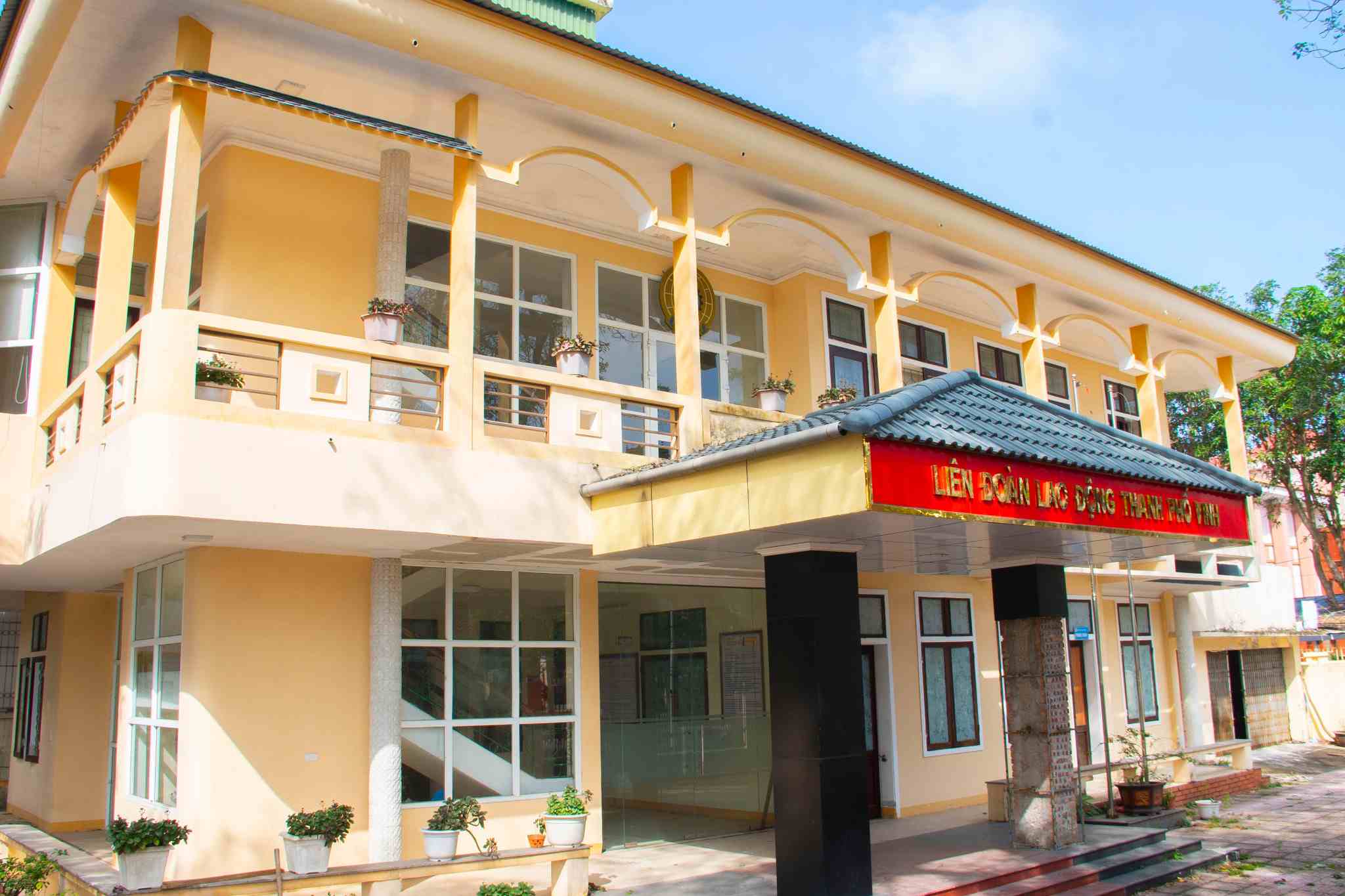
After implementing the organizational arrangement, the headquarters of the Vinh City Labor Federation closed. The office building has fallen into a state of closure and no longer has regular activities.
Some items are peeling, showing that the project has not been maintained and exploited for a long time.
In Nghi Thuy and Thu Thuy wards (old), the headquarters of the Party Committee, People's Council, People's Committee, and Fatherland Front Committee after the merger are all in a state of closure. After a period of abandonment, many walls are peeling, the walls are moldy, and the power system is degraded.
These works used to be places to handle people's daily administrative work, but have not been re-arranged for use, clearly reflecting the gap in the handling of public assets after the arrangement.
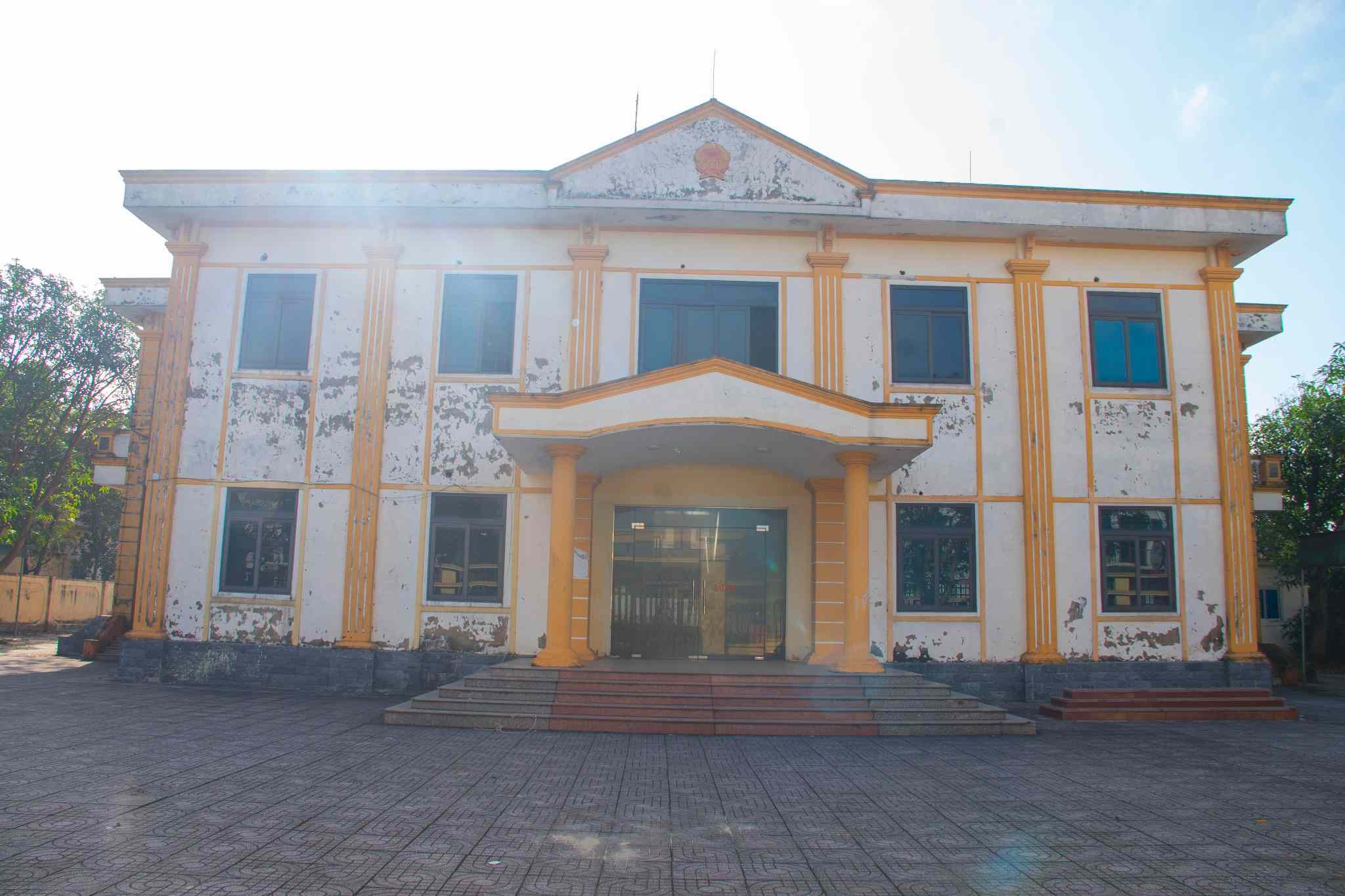
From large-scale headquarters to grassroots administrative works, the reality shows that some public assets in Nghe An are redundant and have not been effectively exploited after the arrangement. If prolonged, these works will not only deteriorate but also waste the State's investment resources.
The problem is that it is necessary to promptly review, evaluate the whole and have appropriate use plans for surplus headquarters, ensure compliance with regulations on public asset management, avoid waste, loss and maintain urban aesthetics.


