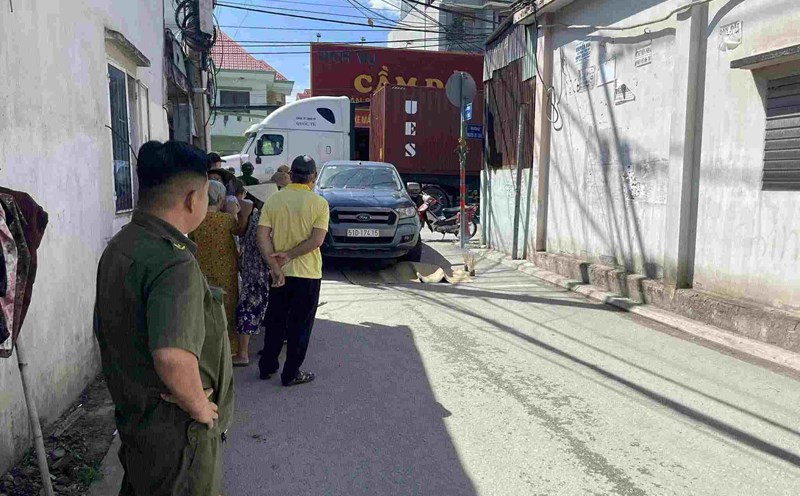
On June 25, the Ho Chi Minh City People's Committee approved the adjustment of the project to upgrade and expand Nguyen Duy Trinh street (section from Ring Road 2 to the road to Phu Huu Industrial Park).
According to the adjusted decision, the total investment of the project is more than 1,858 billion VND from the city budget. The project is expected to start construction at the end of 2026 and be completed in 2028.
Previously, the project to expand Nguyen Duy Trinh street was approved for investment policy by the Ho Chi Minh City People's Council from 2015 with a total capital of about 832 billion VND, a scale of 1.6 km long and 30 m wide from the state budget.
However, after nearly a decade, the project has not yet been implemented due to many difficulties in compensation and site clearance. Land prices and resettlement costs have increased sharply over time, causing the cost of compensation, support and relocation of technical infrastructure to increase from about 507 billion VND to more than 1,506 billion VND.
By September 2025, the Ho Chi Minh City People's Council had approved adjusting the investment policy of the project to more than 1,858 billion VND, an increase of more than 1,000 billion VND compared to the initial plan.
The project is expected to recover land from nearly 300 households to serve the expansion of the road.
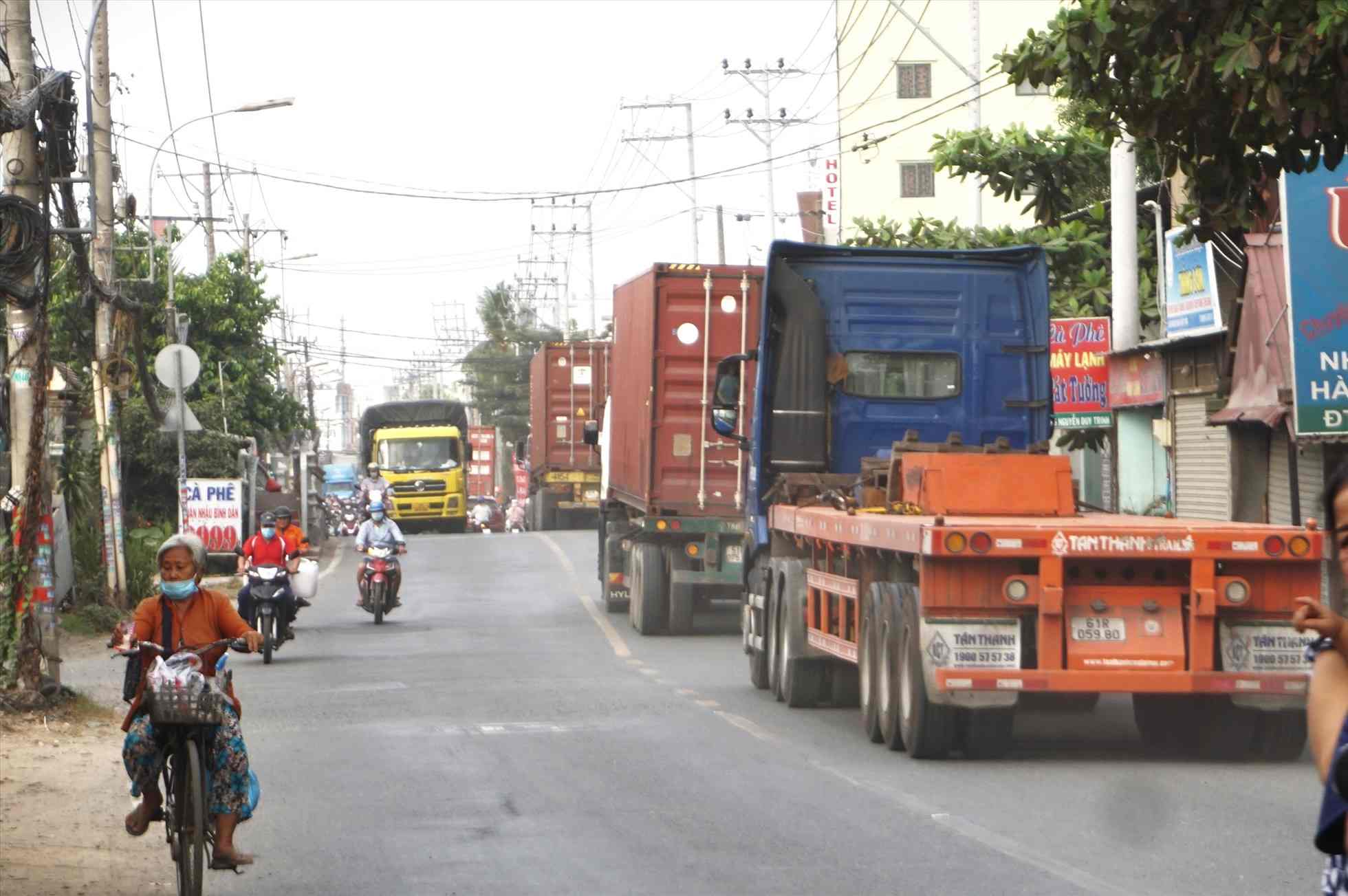
Nguyen Duy Trinh Street is one of the vital traffic axes connecting the East of Ho Chi Minh City with Phu Huu port, industrial parks and many crowded residential areas. This is also a road with a very high density of trucks and containers, creating significant pressure on existing traffic infrastructure.
In particular, the section about 1.6 km long from Phu Huu roundabout (Belt Road 2) to the gate of Phu Huu Industrial Park has long been considered one of the "black spots" of traffic accidents in Ho Chi Minh City.
Currently, the road surface is only about 7 m wide but has to bear a large volume of trucks and containers circulating every day. During rush hour, many large vehicles almost occupy the entire road, forcing motorbikes to weave through narrow gaps, posing a potential risk of collisions and serious accidents.
After completion, the road will be expanded to 30 m, contributing to increasing traffic capacity, reducing traffic congestion and improving the connectivity of freight transport between the East of Ho Chi Minh City and Phu Huu port.
The project is also expected to end the prolonged traffic unsafety situation on this route, meeting the increasing socio-economic development needs of the region.