
More than 3.2 million m3 of mud cannot be dredged
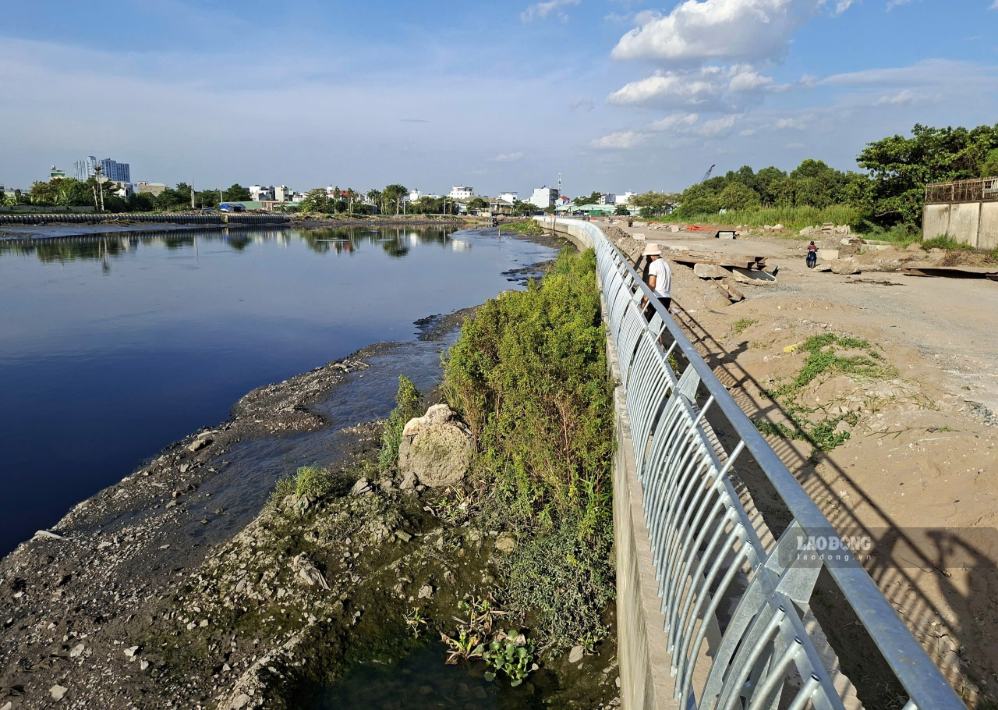
Every afternoon, Mr. Nguyen Van Nam (65 years old, in An Nhon ward) takes his grandchild to Go Vap Park area to exercise. The Tham Luong - Ben Cat canal road here has been renovated with solid embankments, synchronous railings and wide asphalt road surfaces.
The canal-side space after renovation has become a place for many people to exercise, walk and live.
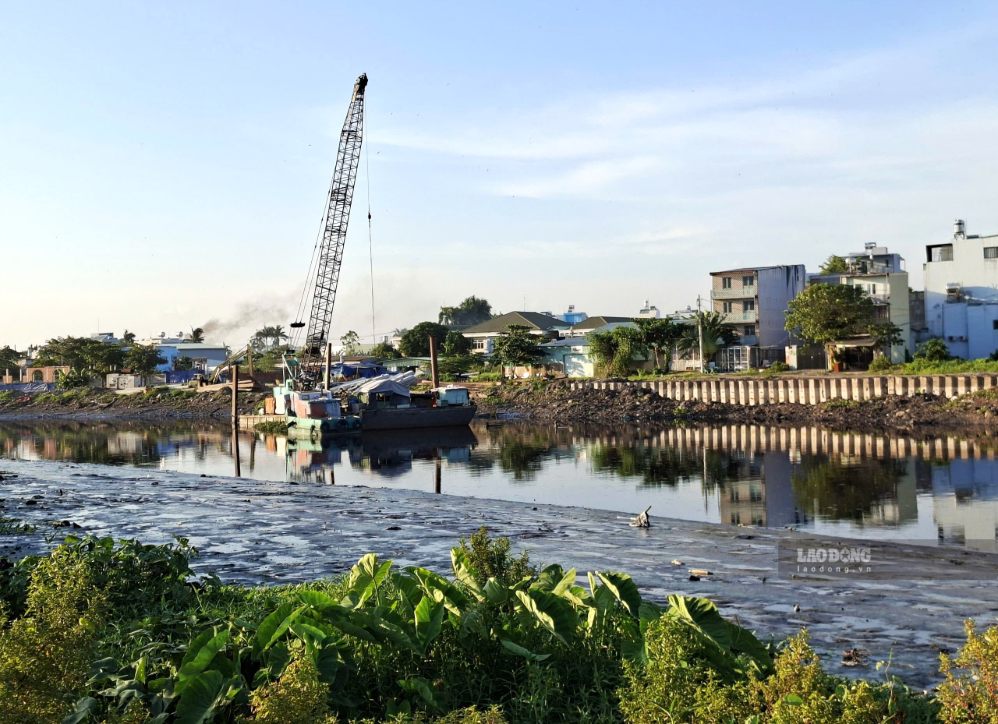
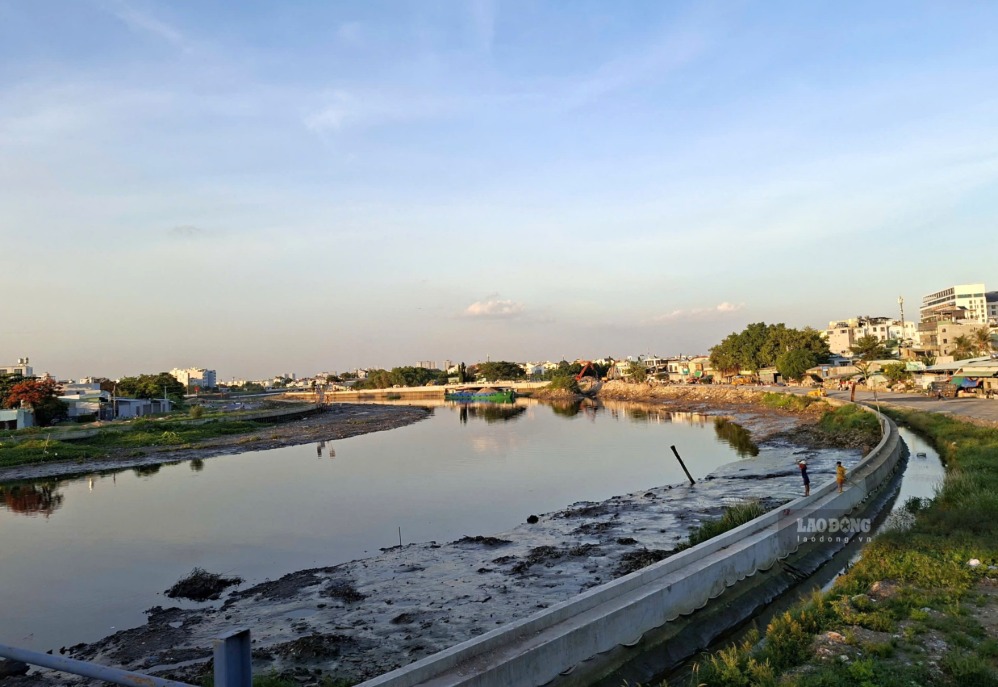
However, just looking down at the canal, the contrast is clear. Mud and soil still cover the bottom, the water is black and smelly.
I don't understand why both sides of the canal have been beautified, the roads are spacious, but the canal is still polluted. Mud and black water emit a foul odor" - Mr. Nam said.
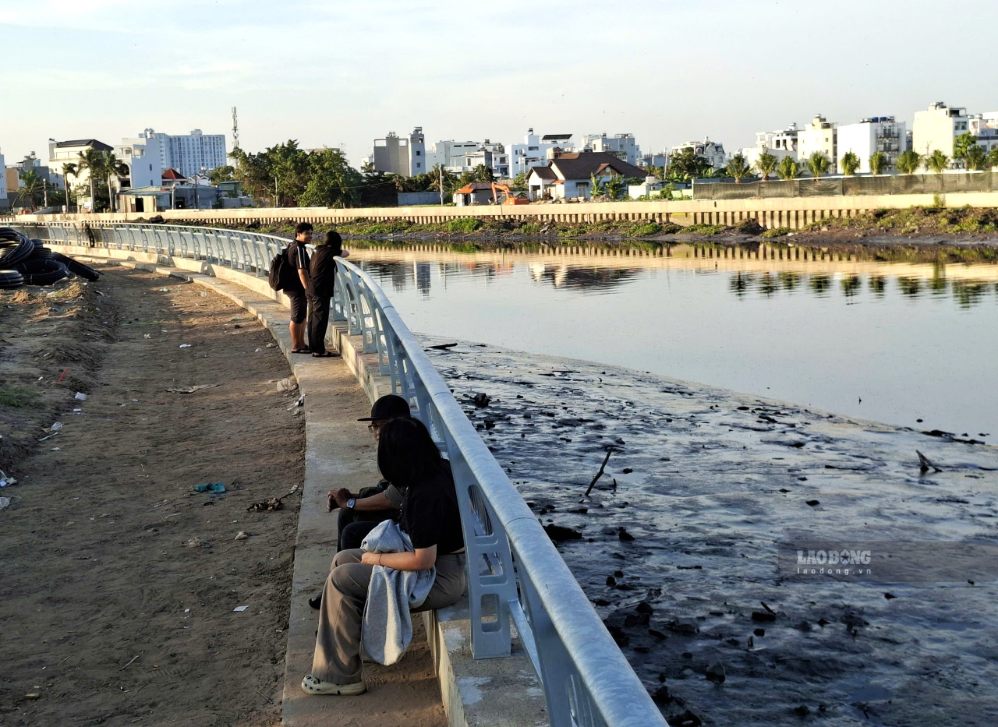
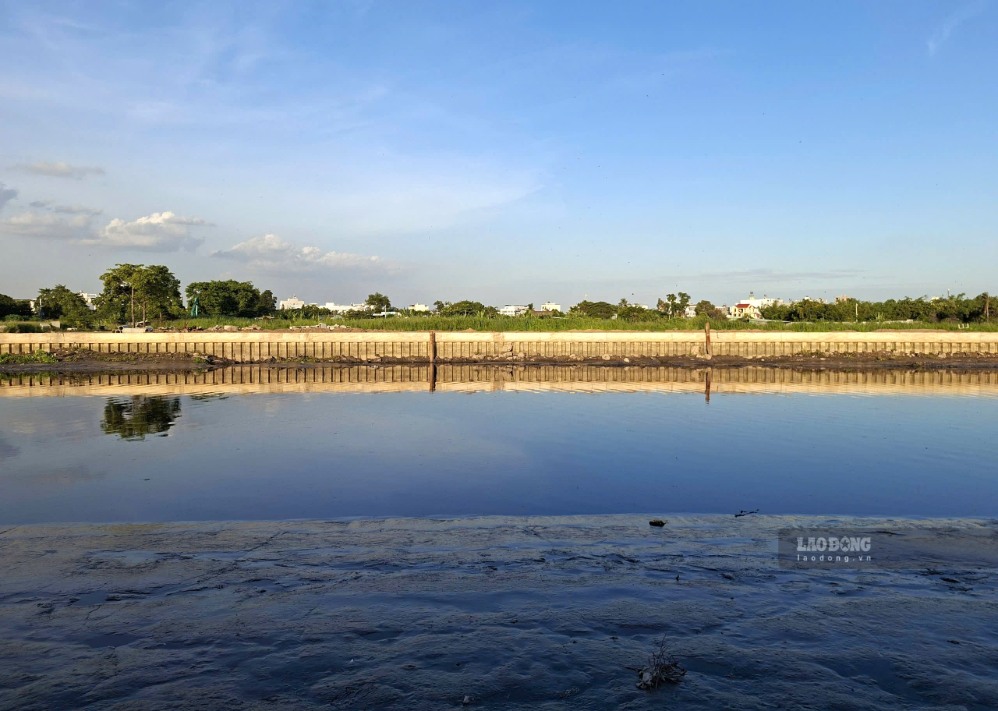
The project to build infrastructure and improve the environment of the Tham Luong - Ben Cat - Nuoc Len canal was started in February 2023, with a total initial investment of about 8,200 billion VND. After supplementing and adjusting some items, the total investment is currently increased to more than 9,000 billion VND.
The canal is nearly 32 km long, passing through 17 wards and communes, with main items including building embankments, traffic roads on both sides, drainage systems, landscape embellishment and canal dredging.
The canal bed is expected to be dredged 4-5 m deep, in order to increase drainage capacity, serve waterway traffic and improve the environment by removing the layer of mud accumulated for decades.
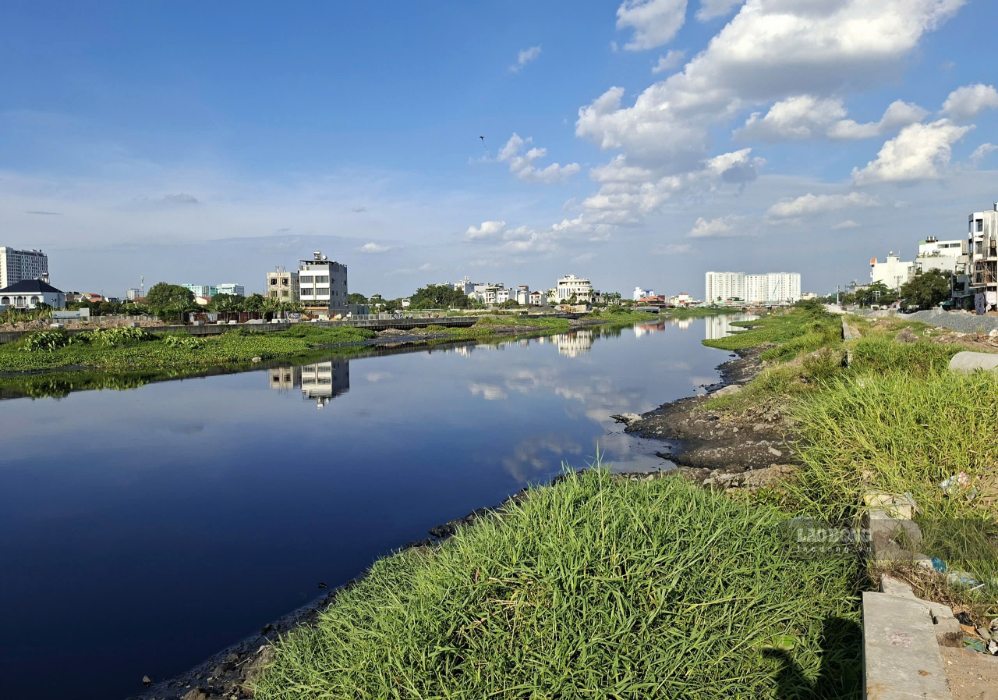
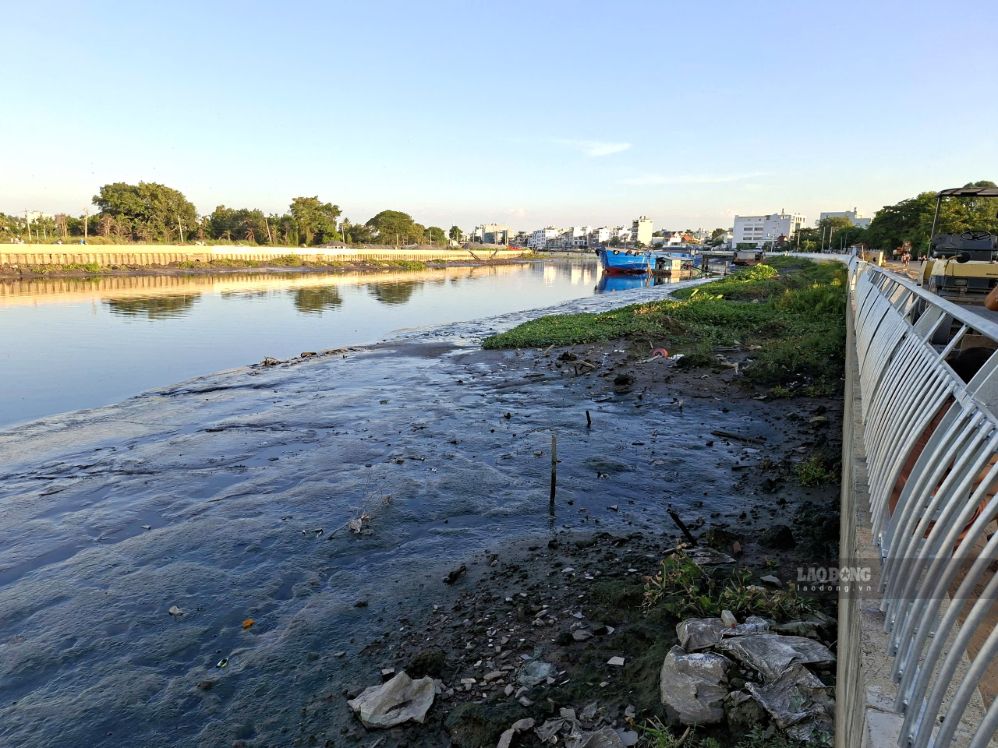
According to the plan, about 3.22 million m3 of mud will be dredged with a cost of about 294 billion VND. However, this is currently one of the major bottlenecks of the project.
Mr. Vo Viet Cuong - Deputy Head of Project 4 (under the Ho Chi Minh City Urban Infrastructure Construction Investment Project Management Board - the investor) - said that the infrastructure renovation and embankment items are expected to be completed this year.
Regarding the dredging of the canal bed, although it should have been carried out simultaneously to treat environmental pollution, it is still not possible to implement it because there is no place to receive, dump and treat the dredged mud.
According to the previous plan, the project was expected to use Sub-area 3 and Go Vap Cultural Park as places to receive dredged materials. However, this plan is currently facing difficulties.
Not only is there a shortage of mud disposal sites, but dredging costs are also at risk of increasing sharply compared to the initial estimate due to changes in fuel prices and freight rates.
Businesses request dredging and salvage mud
According to the Ho Chi Minh City Urban Infrastructure Construction Investment Project Management Board, currently one enterprise has proposed to participate in dredging and salvaging soil and sludge from the project's bidding packages.
According to the proposal, businesses will self-fund dredging, transportation, mud treatment and investment in storage yards. This unit also fulfills financial obligations according to regulations if products are recovered and salvaged during dredging.
The Ho Chi Minh City Urban Infrastructure Construction Investment Project Management Board has proposed to the Ho Chi Minh City People's Committee to consider and approve the policy to allow the implementation of the dredged product recovery plan according to regulations.
The Ho Chi Minh City Department of Agriculture and Environment assessed that this plan can contribute to solving difficulties in waste disposal locations, mud treatment, and at the same time reduce costs from the city budget.
However, dredging and mining must fully comply with regulations on environmental protection, resources, minerals and related procedures. Implementing units must also fully meet the conditions of capacity, and be selected in the correct order and procedures.
The Ho Chi Minh City Department of Construction also believes that the recovery of minerals during dredging is in accordance with regulations, helping to use resources effectively, reduce costs and save budget.
This Department proposed that the Ho Chi Minh City People's Committee assign the Department of Agriculture and Environment to guide the Project Management Board to carry out procedures for recovering dredged minerals, and at the same time request the Project Management Board to urgently select a capable unit to carry out dredging, transportation, discharge and treatment of mud.


