
Ring Road 2: Reducing inner-city pressure
Ring Road 2 is 64 km long, with a scale of 6 - 10 lanes, playing a role in traffic diversion and limiting vehicles passing through the city center. Currently, the entire route has only completed 50 km, and 14 km are not yet completed, divided into four sections.
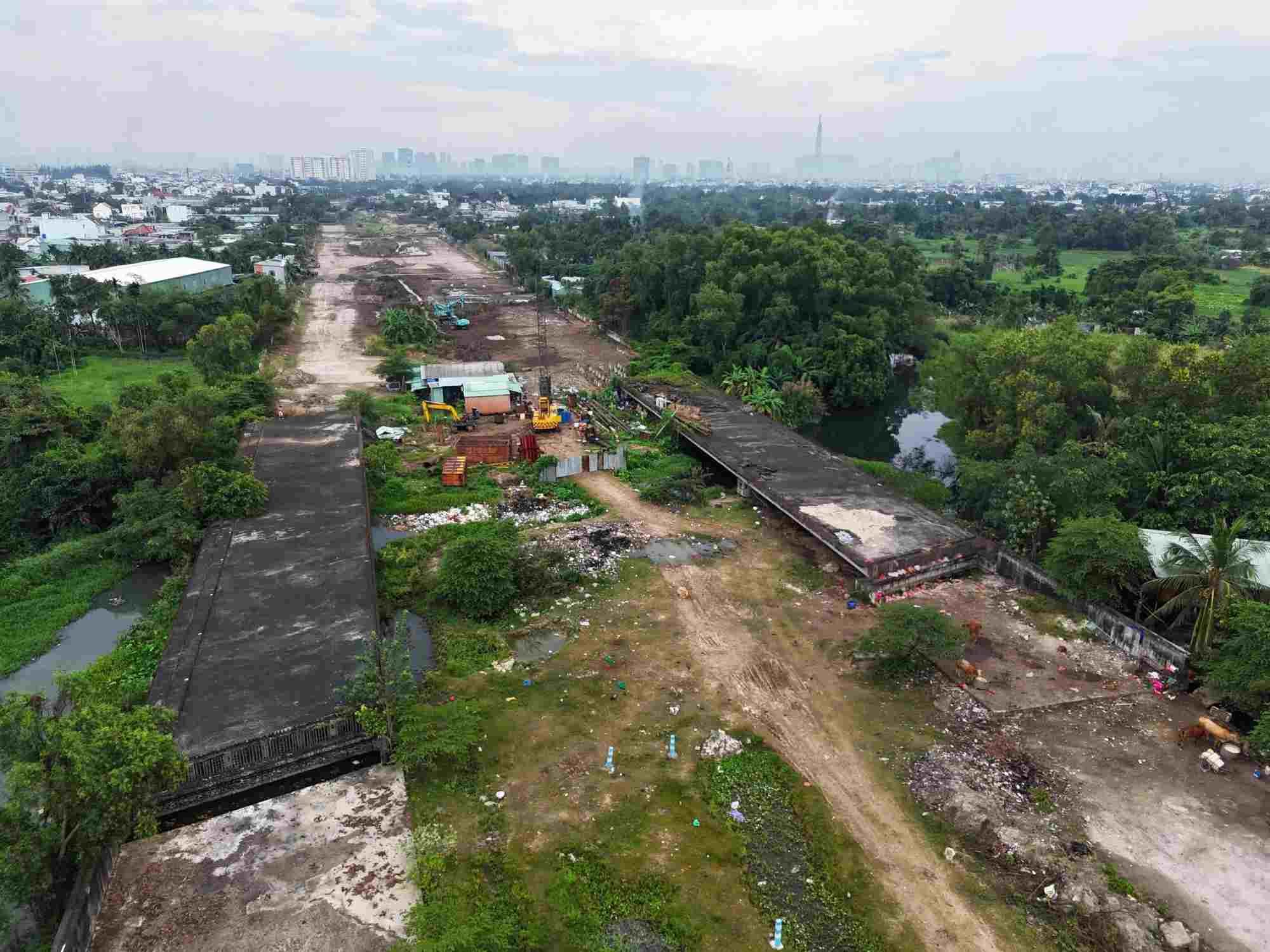
Section 3 from Pham Van Dong street to Go Dua intersection is 2.7 km long, with a total capital of more than 2,700 billion VND. The project started in 2017 in the form of BT (build - transfer), but from 2020 it had to be temporarily suspended when it reached 44% of the volume due to payment problems to investors.
Ho Chi Minh City is completing procedures to allocate land funds and sign contract appendices to restart the project in April, expected to be completed by the end of this year.
The two eastern sections include: section 1 (Phu Huu - Vo Nguyen Giap, more than 3.5 km long) and section 2 (Vo Nguyen Giap - Pham Van Dong, 2.5 km long) with a total capital of nearly 13,900 billion VND, which started construction at the end of 2025 and is expected to be completed in 2027.
Section 4 (National Highway 1 - Nguyen Van Linh, 5.3 km long) has not yet been approved in principle, with a total estimated capital of about 13,000 billion VND. Currently, some businesses are proposing to invest in this section in the form of BT, expected to be completed before 2030.
Ring Road 3: Regional connection
The entire Ring Road 3 is 130 km long, passing through Ho Chi Minh City, Dong Nai and Tay Ninh after the merger.
Some sections have been put into operation such as: My Phuoc - Tan Van, more than 15 km long, 6 lanes; section from DT. 25B road (Dong Nai province) to Ho Chi Minh City - Long Thanh - Dau Giay expressway (including Nhon Trach bridge).
Nearly 40 km of the Ben Luc - Long Thanh expressway project (4 main lanes and 2 emergency stop lanes) overlapping the route with Ring Road 3 of Ho Chi Minh City has opened some sections, and the entire route is expected to open this year.
The remaining section, more than 76 km long, is being deployed with 4 expressway lanes, with a total investment of more than 75.300 billion VND, more than 70% of the volume has been completed and the entire route is expected to be opened to traffic on June 30, 2026.
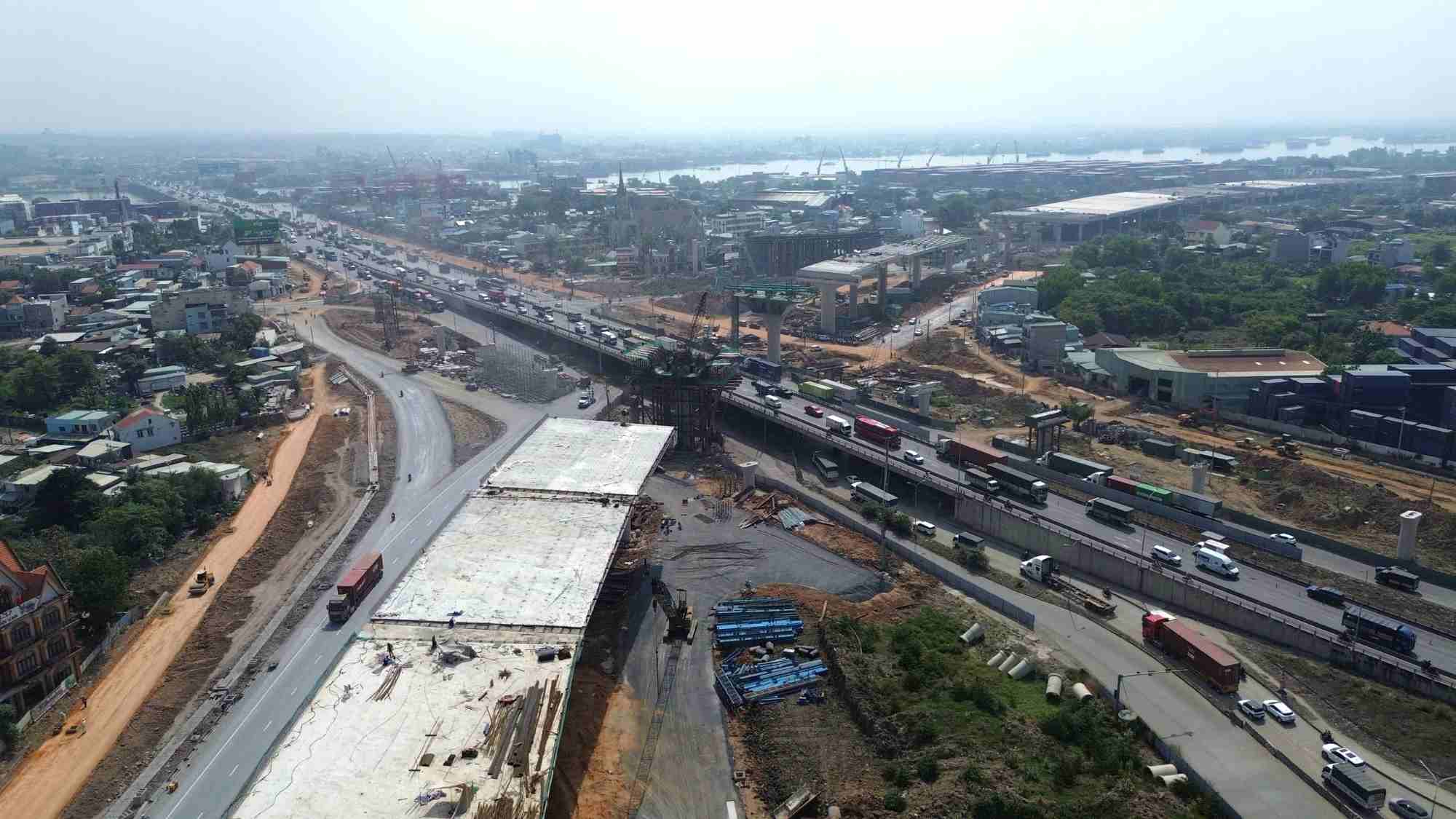
When completed, Ring Road 3 will reduce inner-city traffic pressure, while opening a corridor for urban - industrial development and promoting growth of the Southern key economic region.
Ho Chi Minh City People's Committee is proposing to the Government to approve the upgrade of the entire Ring Road 3 to 8 expressway lanes, with a total estimated capital of about 60,000 billion VND.
Ring Road 4: Strategic connecting axis
Ring Road 4 is about 207 km long, passing through Ho Chi Minh City, Dong Nai and Tay Ninh after the merger.
In which, the 47 km section through Binh Duong started construction in June 2025. The remaining sections are 160 km long, with a total capital of more than 1,204 billion VND, and the National Assembly approved the investment policy in June 2025.
After merging with Ba Ria - Vung Tau and Binh Duong, the length passing through Ho Chi Minh City increased from 17 km to nearly 83 km, becoming the locality with the longest route.
Phase 1 of the project is invested with 4 expressway lanes, design speed of 100 km/h; site clearance is carried out on a scale of 8 lanes for future expansion reserves.
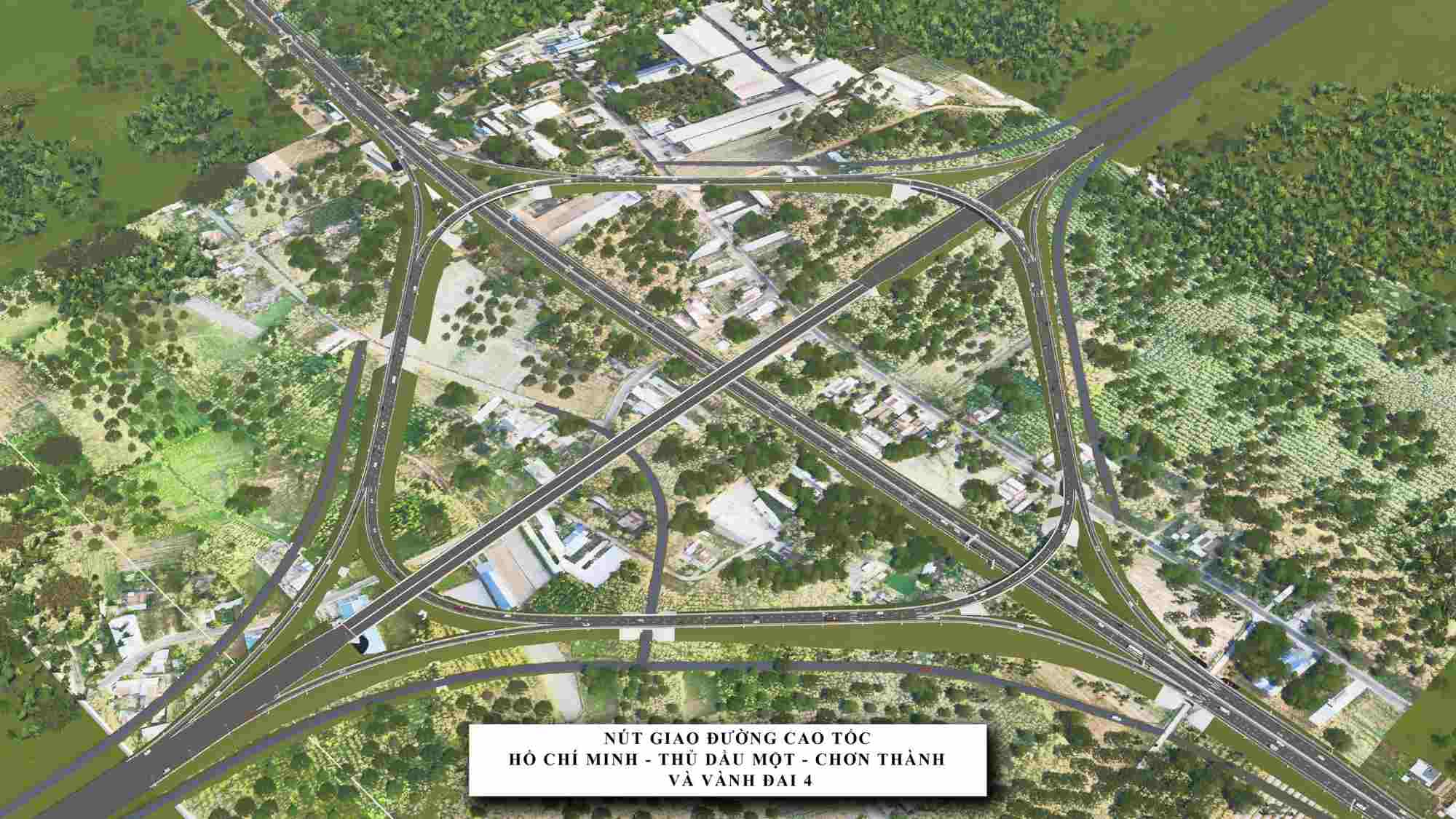
Ho Chi Minh City requests to complete investment preparation procedures to start Ring Road 4 on May 19, 2026.
The Ho Chi Minh City People's Committee has also established a Project Steering Committee, with the participation of leaders of Ho Chi Minh City, Dong Nai, Tay Ninh and related departments and branches to strengthen coordination, remove obstacles, and accelerate the implementation progress.
The entire Ring Road 4 is expected to be completed in the second quarter of 2028 and put into operation in the same year.
When put into operation, the road will become a connecting axis of the Southeast, Southwest and Central Highlands, optimizing traffic with Long Thanh airport, seaport, and reducing congestion for the inner city and frequently congested gateway routes.


