
The social housing project at 4 Phan Chu Trinh (Binh Thanh ward) was started in August 2025.
Records at the construction site show that blocks B1 and B2 have been constructed to the 4th floor beam, while block B3 has reached the 6th floor. Technical infrastructure and auxiliary works are also being deployed synchronously.
The project includes 3 apartment blocks (B1, B2, B3), up to 20 floors high, with a total of 864 apartments. The area of each apartment ranges from 40 - 76m2, designed from 1 to 3 bedrooms, meeting diverse needs of residents.
The project also integrates utilities such as commercial service areas, parking lots, community living areas and a complete technical infrastructure system.
The total investment of the project is nearly 1,000 billion VND from the Ho Chi Minh City budget, expected to be completed by the end of 2027.
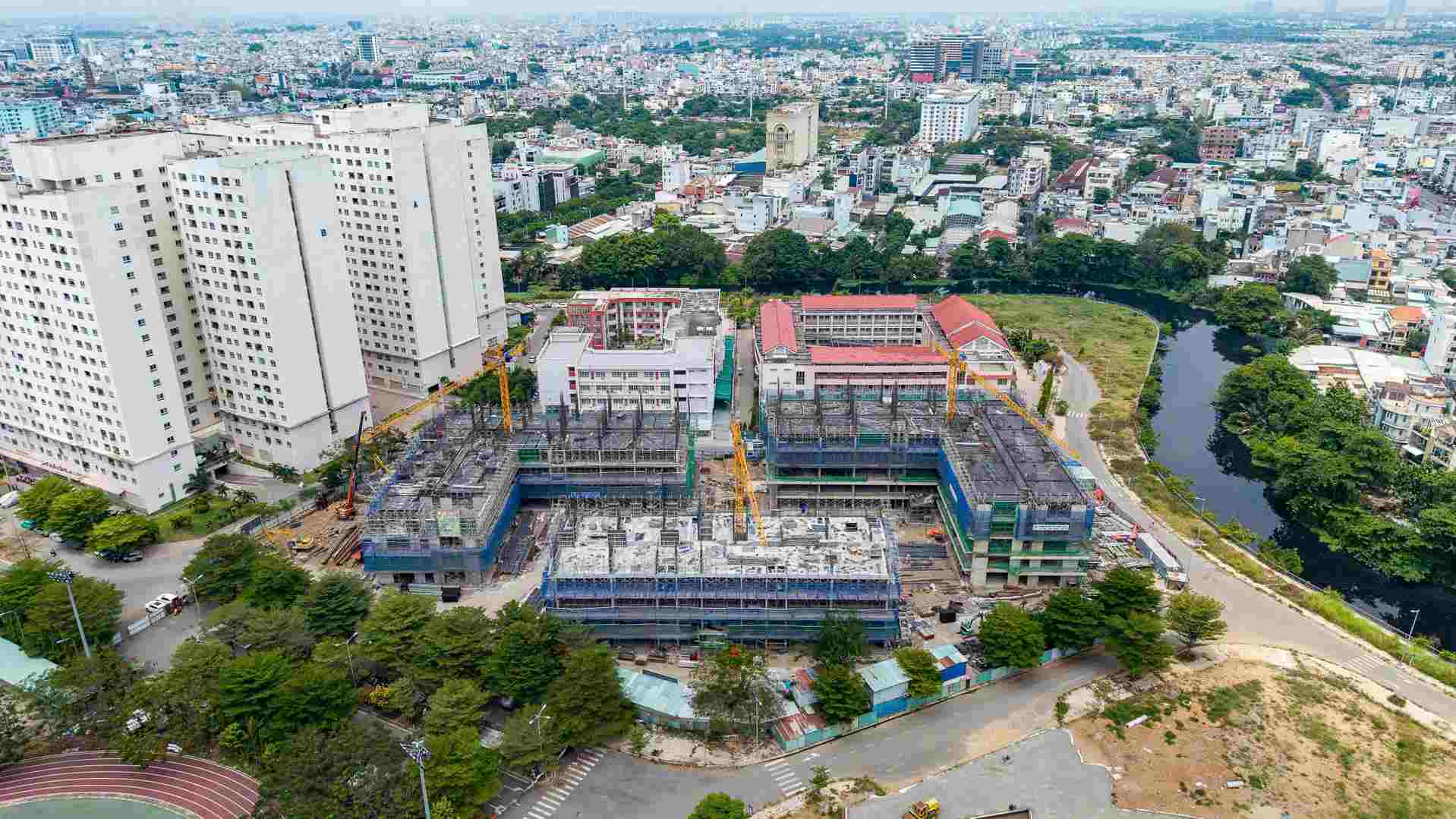
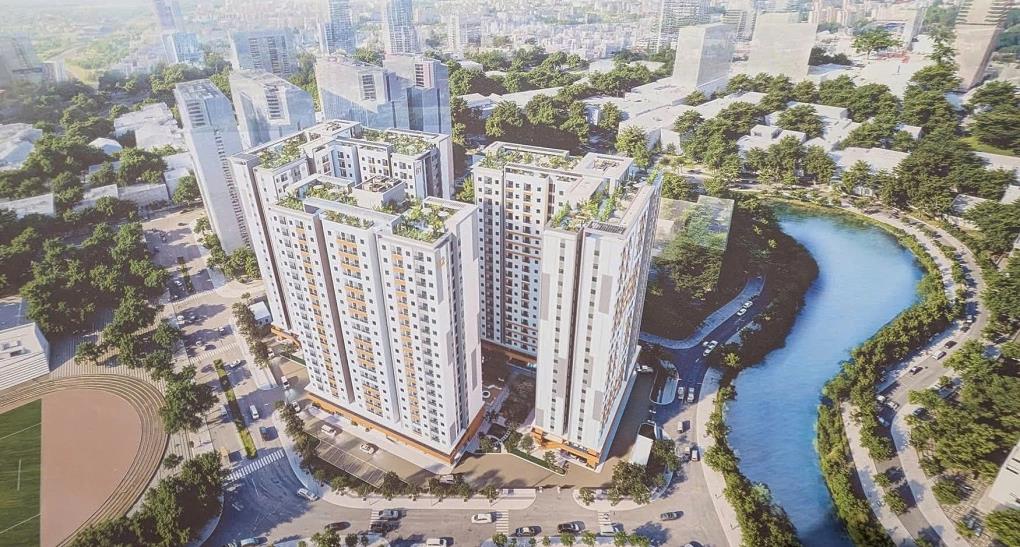
This is one of the important resettlement housing funds serving the Xuyen Tam canal renovation project.
The Xuyen Tam canal renovation project has a total investment of more than 17,000 billion VND, of which compensation, support and resettlement costs account for nearly 14,000 billion VND.
The entire project has 2,190 cases of land acquisition, including 897 cases of partial clearance and 1,293 cases of full clearance.
In the Go Vap area (now An Nhon ward), 138 cases have completed compensation and handed over land.
Meanwhile, the Binh Thanh area previously had 2,052 cases affected, currently distributed in new wards: Binh Loi Trung (311 cases), Gia Dinh (869 cases) and Binh Thanh (872 cases).
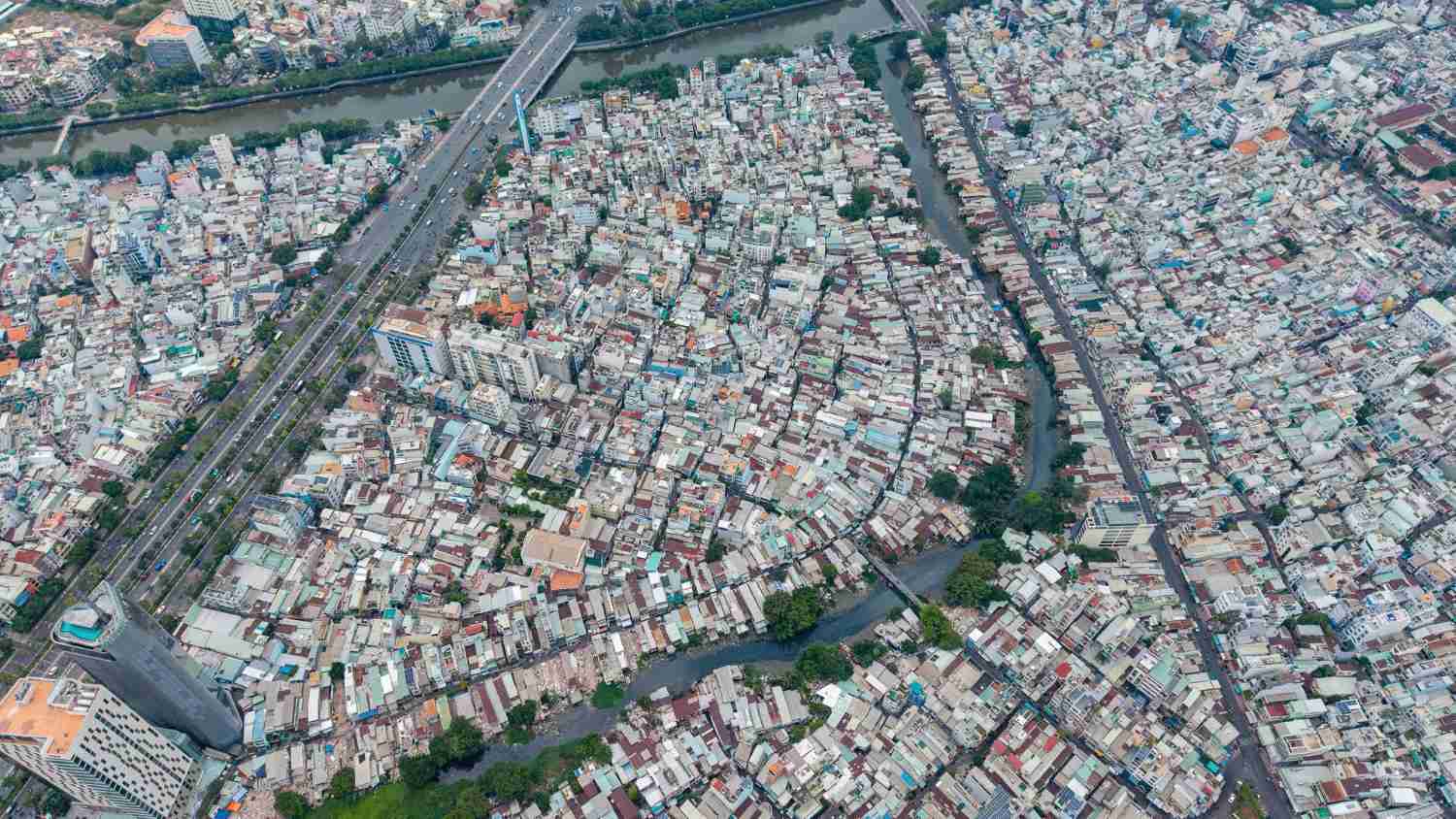
To date, these three localities have paid compensation to 2,011 households, of which 787 households have handed over land. Binh Thanh ward has 425 households, Gia Dinh ward has 257 households and Binh Loi Trung ward has 113 households.
Recently, Chairman of Ho Chi Minh City People's Committee Nguyen Van Duoc directly inspected the project, requesting the completion of site handover by the end of June 2026.
Because the resettlement housing fund has not been completed, localities temporarily arrange temporary accommodation or pay money for people to rent temporary houses themselves.


