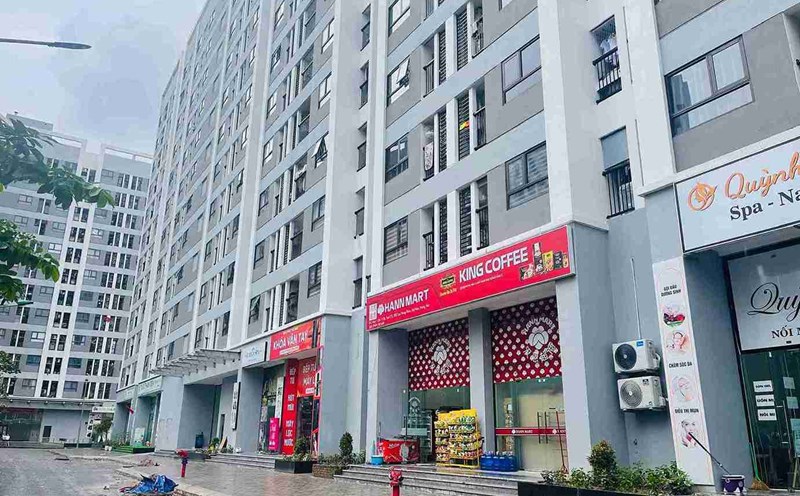
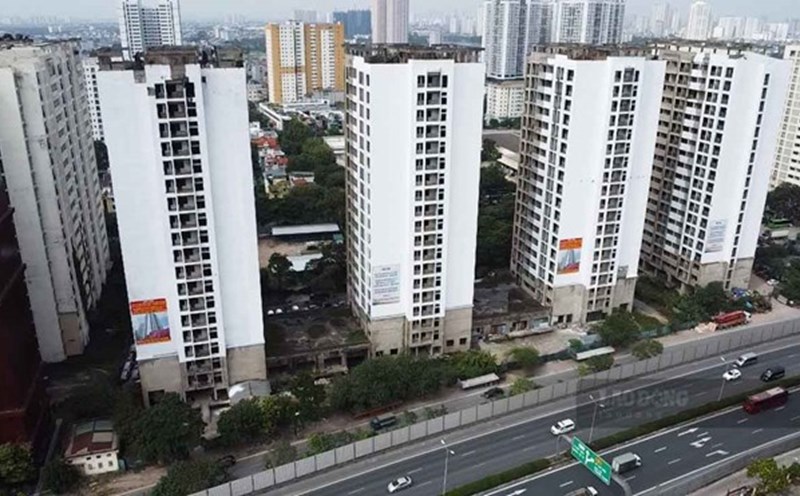
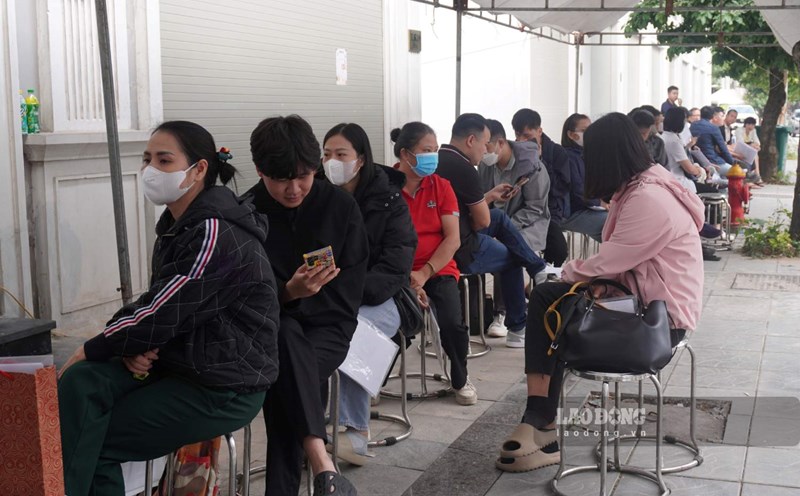
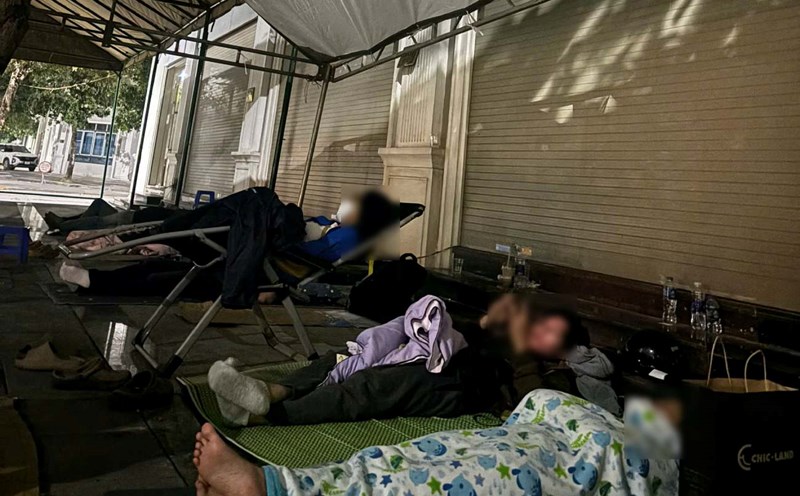
From the end of 2024 to now, many social housing projects in Hanoi have been started, bringing settlement expectations to low-income people. However, the selling price has increased sharply - from under 20 million VND/m2 3 years ago to 25.294 million VND/m2, making the "social housing dream" even more distant. Although the maximum income of buyers is increased from 1520 million VND/month, many people still have difficulty accessing it because prices increase faster than income.
Experts say that social housing is a type of type of property that is strongly supported by the State through exemption and reduction of land use fees, tax incentives and low-interest loans. Therefore, the selling price needs to be calculated in accordance with people's ability to pay. If social housing prices continue to increase, far exceeding people's income, this type will lose its original meaning of ensuring social security and housing opportunities for low-income people.
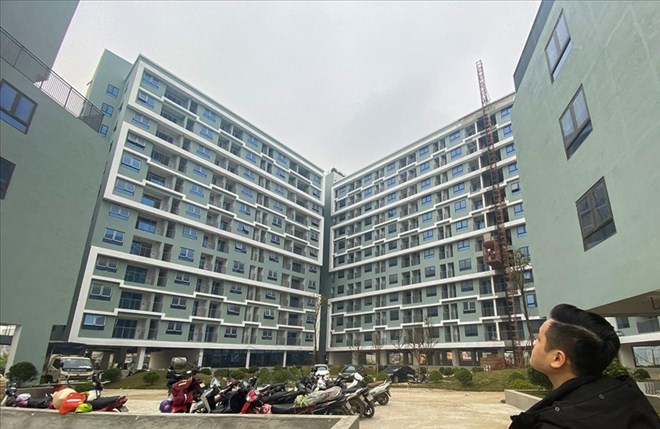
If previously, people could only buy an urban apartment for 12 billion VND, now the average price has reached 45 billion VND. This increase makes it extremely difficult to buy a house, both for consumers and suppliers.
According to Associate Professor, Dr. Dinh Trong Thinh - former Head of the Faculty of International Finance ( Academy of Finance), there are many reasons for the increase in social housing prices, but the rapid increase is making it impossible for the income of beneficiaries to keep up.
According to Mr. Thinh, with a price of about 30 million VND/m2, a 70m2 apartment costs up to 2 billion VND. With low income, how long do workers have to save to be able to buy a house? Even if you borrow 50% of the apartment value from the bank, installments plus monthly living expenses will be a huge burden.
Experts say that in order for low-income people to be able to buy a house, banks (especially policy banks) need to design flexible loan packages, suitable for people's financial capacity. Borrowers need to prove a stable source of income and have savings to pay in advance, but more importantly, they need to carefully calculate their ability to repay the debt. According to the recommendation, a person with an income of 100 VND/month should only have a maximum of 50% of the debt repayment amount. If it exceeds 70%, the risk is high, and up to 100%, the risk of bankruptcy is very high.
Talking to reporters of Lao Dong Newspaper, Mr. Le Hoang Chau - Chairman of the Ho Chi Minh City Real Estate Association (HoREA), said that not only social housing but also commercial housing prices have increased sharply. In the context of an economy operating under a market mechanism, the 2023 Housing Law has removed the regulation on controlling social housing prices. That is, all legal, valid and reasonable costs are accepted. To control prices, the State has exempted land use fees, credit incentives for investors and stipulated that profits do not exceed 10%.
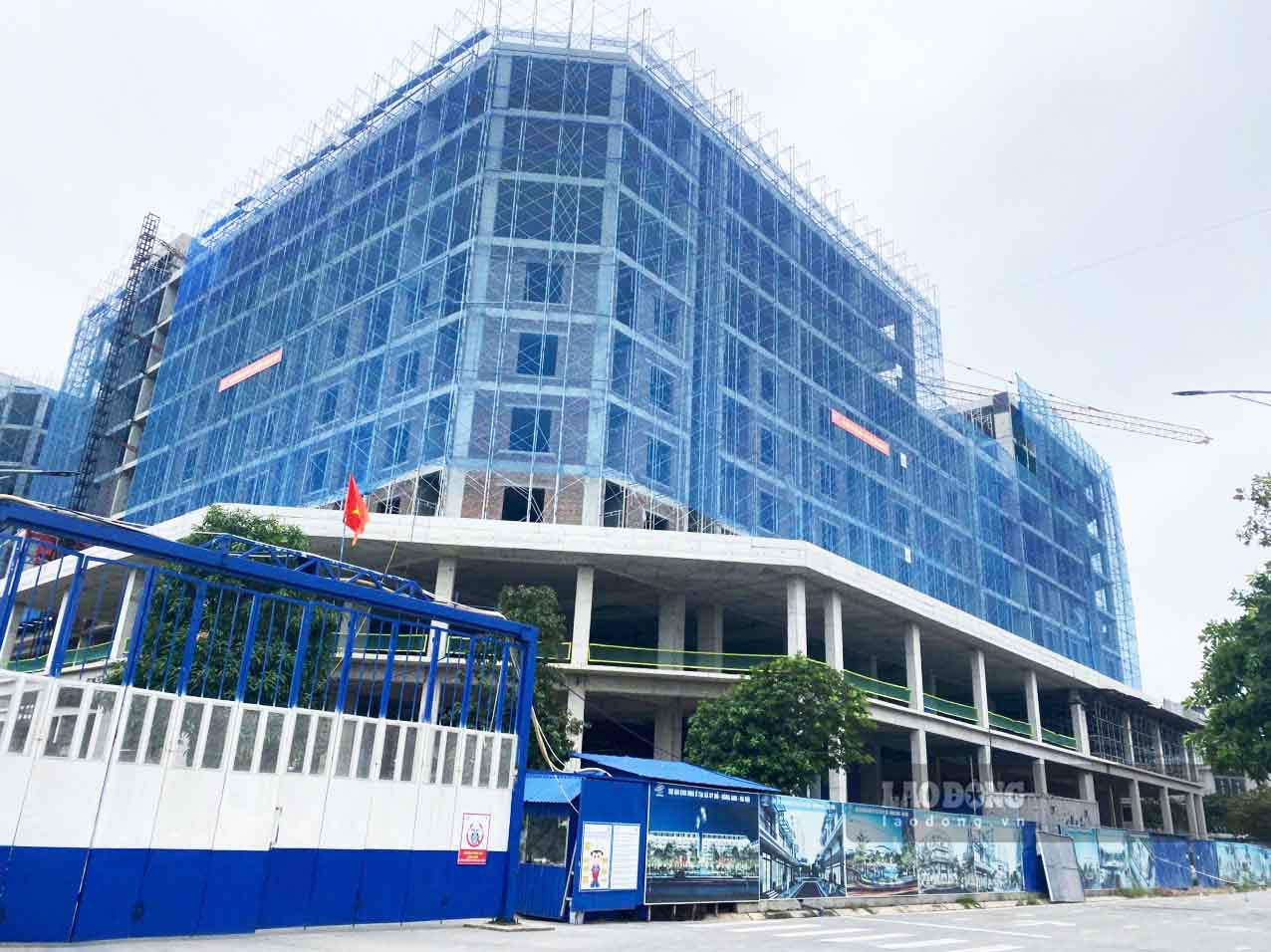
"There needs to be a low and reasonable interest rate for people to access loans. Currently, the interest rate of 5.4% is too high, it needs to be reduced to about 4.8% to be suitable, Mr. Chau proposed.
Sharing the same view, Mr. Nguyen Huu Cuong - Chairman of Hanoi Real Estate Club - said that the core issue is the land source for project construction. Currently, land prices and site clearance costs must be agreed upon according to market prices, causing input costs to increase. "The most important thing is input, specifically land rent and business expenses. When input increases, social housing prices are forced to increase accordingly. Investors cannot inflate prices themselves because if it is too high, they cannot sell, said Mr. Cuong.
Regarding this issue, Mr. Do Van Thach - General Director of Dova Land - said that social housing was originally created to help low-income people have the opportunity to own a place to live, but when prices were pushed up, they approached the commercial segment. The reason does not only come from input costs such as land, materials or interest, but also from speculation and lack of control in approving home buyers. "It is necessary to strictly control land prices, make costs transparent, eliminate intermediaries and promote the leasing - hire-purchase model instead of just selling off. When people truly need to access the right value, the dream of settling down will return to the true sense of humanity that the State is aiming for, Mr. Thach emphasized.
On the investor's side, Mr. Tran Dinh Quan - Business Director of the Noxh Evergreen Bac Giang Project, said that in addition to the land issue, the price of construction materials has also increased sharply in recent times, pushing up social housing prices. "Brick prices have increased by 3040%, sand prices from 500600 thousand VND/m3 now up to 1 million VND/m3, labor has increased... all of which have caused the construction cost of 1m2 of a house to increase significantly," said Mr. Quan.
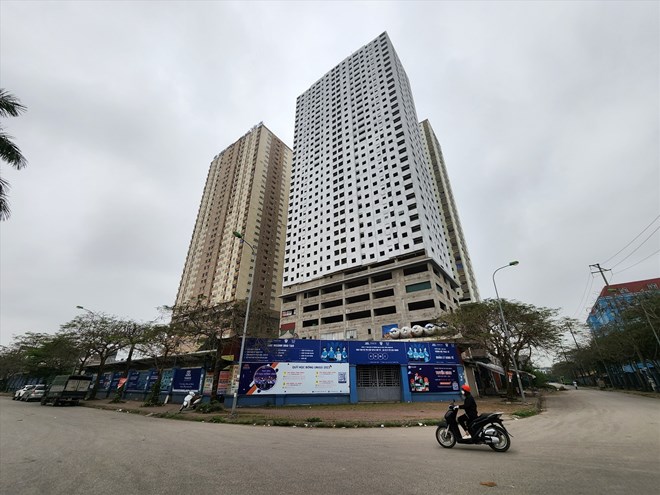
Previously, the quality of commercial housing and social housing had a large difference, but now the quality of social housing has also been improved, many projects use good interior equipment, suitable for people's needs. Projects with higher prices also have the same quality. To reduce social housing prices, we must first reduce the price of construction materials, because this is the core cost. At the same time, there should be a long-term preferential loan policy, such as a national development fund supporting buyers and investors. "If the loan term is extended from 2025 years to 3035 years and the interest rate is reduced to below 6%, people will have more opportunities to own a house," Mr. Quan proposed.