
Familiar in life, mulberry leaves are often known as a source of silkworm feed. However, this type of leaf also has great medicinal value in protecting the cardiovascular system.
According to scientific reports in Japan and South Korea, mulberry leaves contain a high content of 1-Deoxynojirimycin (DNJ) compound - a natural alkaloid that can directly interfere with the metabolism of sugar and lipids.
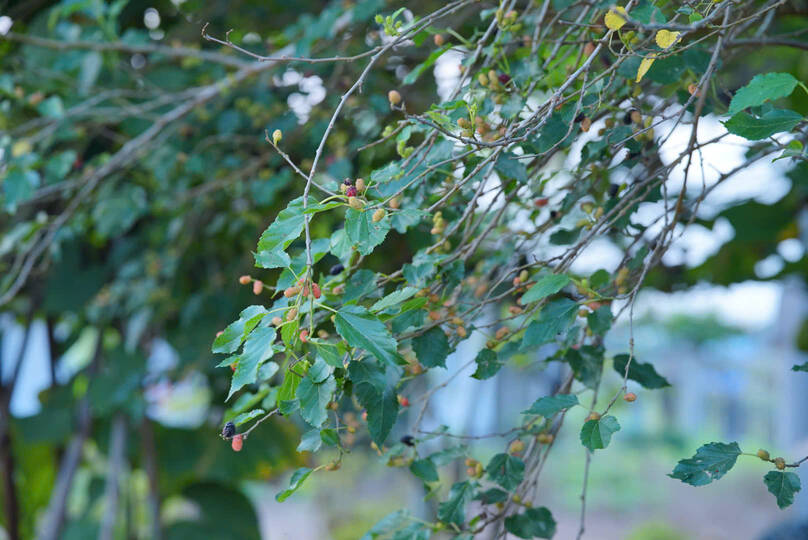
The mechanism to support blood fat improvement of mulberry leaves takes place through two stages of action. First, the DNJ active ingredient acts as a supporting component to prevent digestive enzymes from absorbing fat and sugar from food right in the intestines.
Then, the groups of antioxidants belonging to the Flavonoid group in the leaves will stimulate the liver to enhance the metabolism of bad fat molecules attached to the vascular wall, supporting the body to excrete excess lipids through the natural excretory system.
This process helps reduce bad cholesterol (LDL) and triglyceride levels, the top risk factors for atherosclerosis.
Using strawberry leaf water helps blood vessels to be more ventilated and elastic. This medicinal material plays an important role in controlling blood pressure and minimizing the risk of myocardial infarction or stroke in the elderly.
For effective use, housewives can use about 10-15g of dried mulberry leaves (or a handful of fresh leaves that have been soaked and washed) infused with 500ml of boiling water to drink instead every day. The water has a light aroma, a mild sweet taste, and is quite easy to drink.
Because mulberry leaves have cold properties and lower blood sugar, it should be avoided to drink on an empty stomach or in the evening to avoid stomach discomfort and nighttime urination. Pregnant women, people with poor digestion, low blood pressure or those taking diabetes medication should consult a doctor before use.


