
On December 1, the Faculty of Science and Technology of Education, Hanoi University of Science and Technology organized the program "C correct understanding - Corridor action on HIV/AIDS".
The event took place on the occasion of World HIV/AIDS Day and this year marks the 35th anniversary of Vietnam's response to HIV/AIDS (since 1990 when the first infection was detected).
The program aims to help students understand HIV/AIDS correctly, identify common misunderstandings and form a safe and healthy lifestyle in adulthood.
One of the key contents of the program is the seminar "Love safely, live healthy".
Sharing at the seminar, Master Doan Thanh Tung - Executive Director of Hai Dang Social Enterprises and Hai Dang Clinic said that with many years of experience in consulting and working directly with people at risk or infected with HIV, he has recorded many long-term misunderstandings in the community, especially among young people.
Specifically, many students still believe that HIV can be transmitted through normal contact such as hand contact, sitting at the same table, eating together or even just a collision that scratches the skin.
"Many students come to the clinic in a state of extreme anxiety just because they pass by the table, accidentally touching an object with small scratches. Such misconceptions not only make you stress but also create a prejudiced attitude, leading to an unfavorable view of people infected with HIV" - Mr. Tung shared.
Another misunderstanding mentioned by Mr. Tung is the concept of " HIV vaccination is the end".
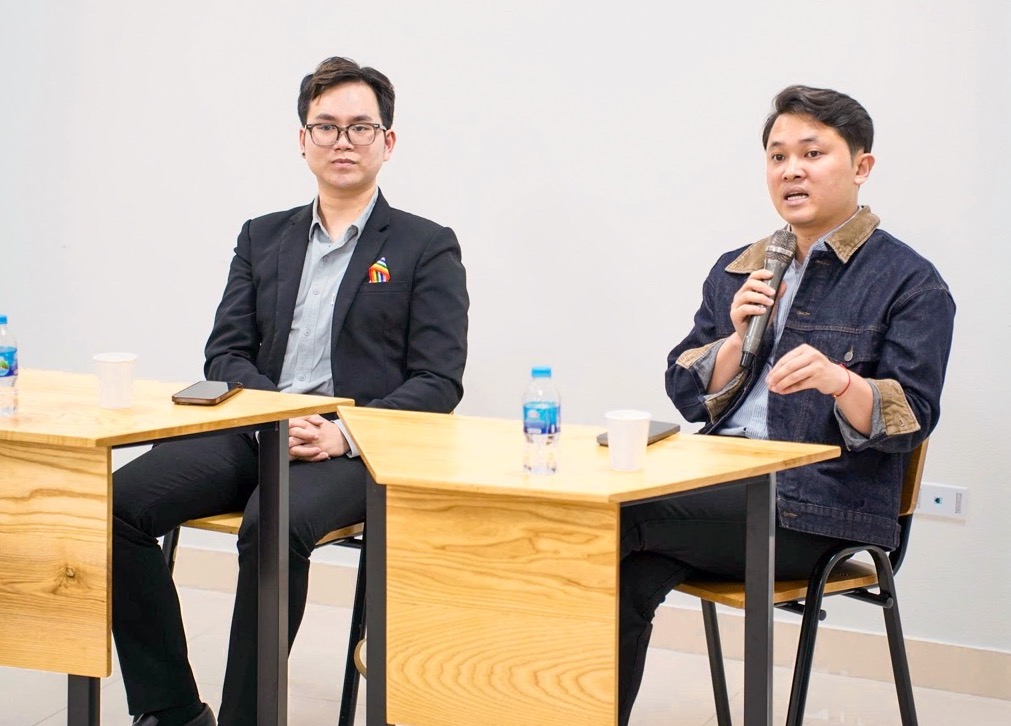
Experts affirmed that after 35 years of HIV/AIDS prevention, medicine has made many important strides. Specifically, the test was shortened from 7 days to more than 30 minutes, treatment and prevention were more diverse and effective.
In terms of expertise, Mr. Tung said that in treatment, people infected with HIV, if they have access to drugs early, can reach the virus inhibition threshold after 3 - 6 months, no longer be able to be transmitted to their partner and reduce the risk of transmission through the blood, from mother to child.
Even after only 28 days of early treatment, patients can enter the stage of virus inhibition, said Mr. Tung, emphasizing that HIV can now be completely controlled if treated according to the treatment plan.
Master Do Van Tuan - consultant, Research Assistant of WECARE Center sent a message to students: HIV/AIDS is not left to anyone, cannot be recognized by appearance but can only be accurately determined by testing. Therefore, each person needs to be aware of protecting themselves.
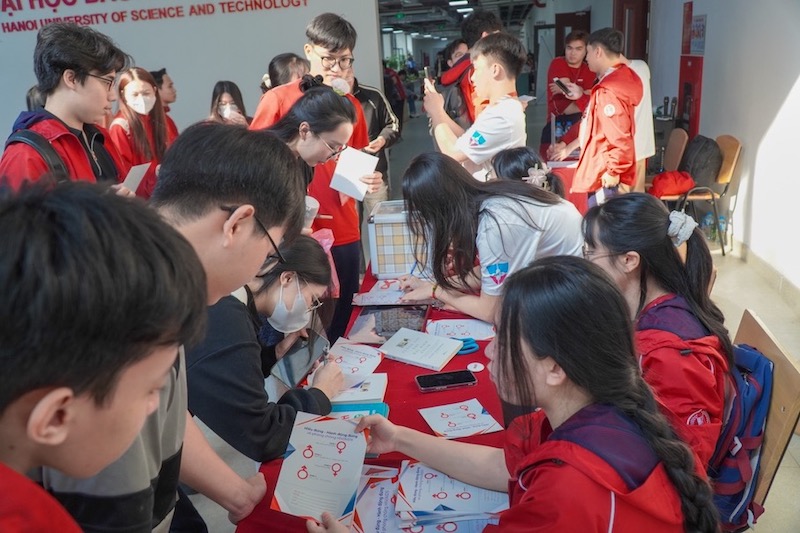
"Protecting yourself is also protecting the community" - Mr. Tuan emphasized.
In addition to medical knowledge, Mr. Tuan also mentioned the issue of mental care for students - a group of subjects who are under a lot of pressure from studying, economics to family.
According to Mr. Tuan, when falling into a state of panic related to the risk of infection, students need to know how to "pre-treat psychology": call out their emotions, identify whether they are stressed or panicked, combine breathing, meditation and relaxation techniques - methods widely instructed in the media.
If anxiety persists and affects their lives, young people need to seek advice from a specialist for treatment and support according to the treatment plan.
From the school's perspective, Associate Professor, Dr. Le Hieu Hoc, Head of the Faculty of Science - Education Technology, emphasized that students are those who are entering the stage of independent living, leaving the care of their families. Therefore, it is extremely important to have the right understanding of HIV/AIDS and build a healthy lifestyle.
"We hope that students who are unfortunately infected with HIV will always have experts and teachers to accompany them. At the same time, other students also understand correctly to know how to protect themselves and have an attitude of sympathy and sharing with those in difficulty" - Mr. Hoc said.


