
During classes at Son La Medical College, in addition to textbooks and notebooks, many Lao students are used to opening computers, looking up electronic documents, designing presentations or using anatomy simulation software.
For them, information technology is no longer a minor subject, but has become a practical tool to overcome language barriers, access medical knowledge and adapt to modern learning environments.
In recent years, Son La Medical College has been a familiar training address for many international students from Laos.
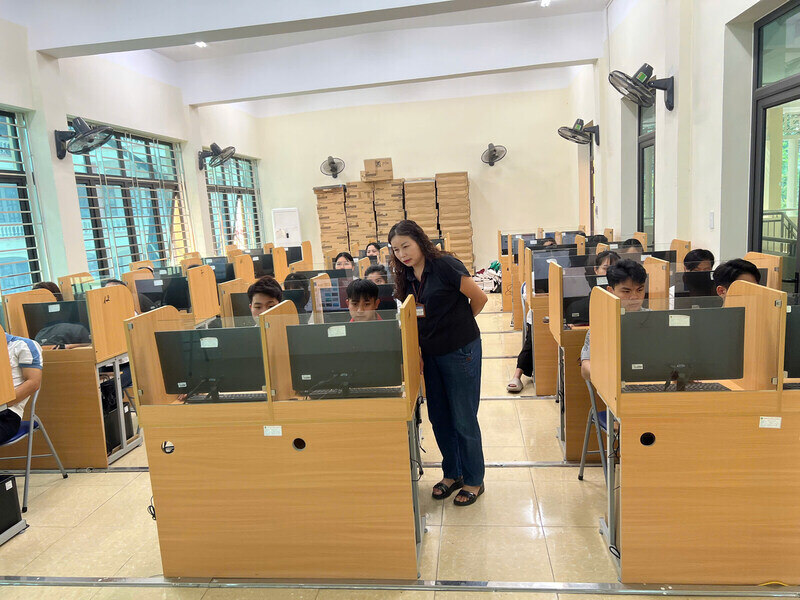
In the learning process, the biggest difficulty for them is accessing specialized knowledge in Vietnamese. Terms such as anatomy, physiology, and pharmacology are already difficult, and learning in a foreign language is even more stressful.
To overcome that obstacle, many international students have taken advantage of knowledge from Informatics in their daily studies.
Seang Kham Bay, a 3rd-year student majoring in Nursing, said that studying Informatics well brings many practical benefits.
In Laos, digital transformation in healthcare is developing. Learning in Son La helps me not only grasp professional knowledge but also know how to manage patient data and prescribe medication on the system. This is a very valuable baggage when I return to my hometown to work," Bay shared.
Students use Google Lens combined with a Vietnamese - Lao medical terminology lookup application to understand lessons faster; and store textbooks and lectures on Google Drive or OneDrive for easy searching for information using keywords. This learning method saves time, reduces dependence on paper books and improves learning efficiency.
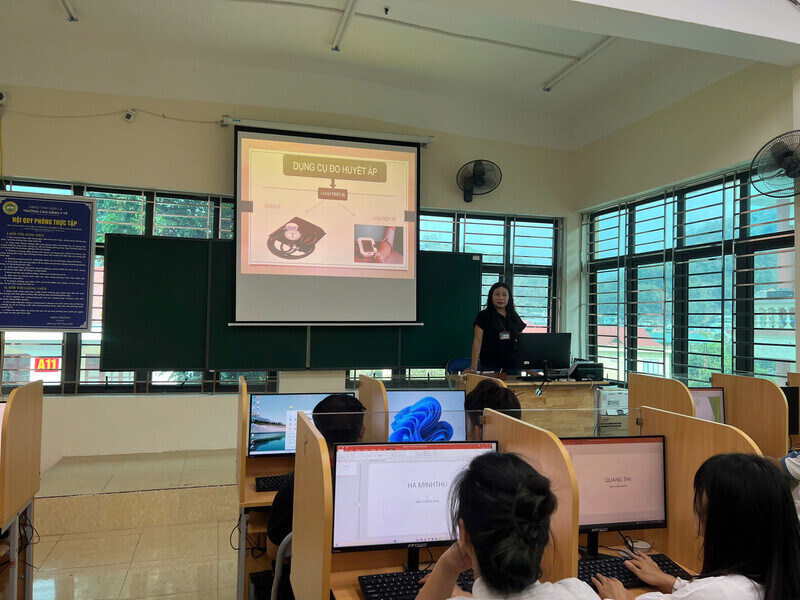
Technology also helps professional lessons become more visual. Instead of just looking at drawings in the textbook, many students actively look for 3D anatomy simulation software on computers to observe the structure of the human body more clearly.
In group discussions, many Lao international students also self-edit videos illustrating injection techniques, dressing changes or patient care. Proactively using images, sounds and videos not only makes lessons more vivid but also trains students in presentation and communication skills in Vietnamese in front of the class.
Ms. Le Thi Linh, a lecturer in Biology, said that AI effectively supports the introduction of vivid videos and images into lectures, helping students absorb faster, remember longer, and reduce the time of preparing lessons and grading lessons for teachers.
According to Ms. Hoang Thi Thuy Ha, Principal of Son La Medical College, the school currently has over 1,157 students, with 31 classes, including 257 Lao students.
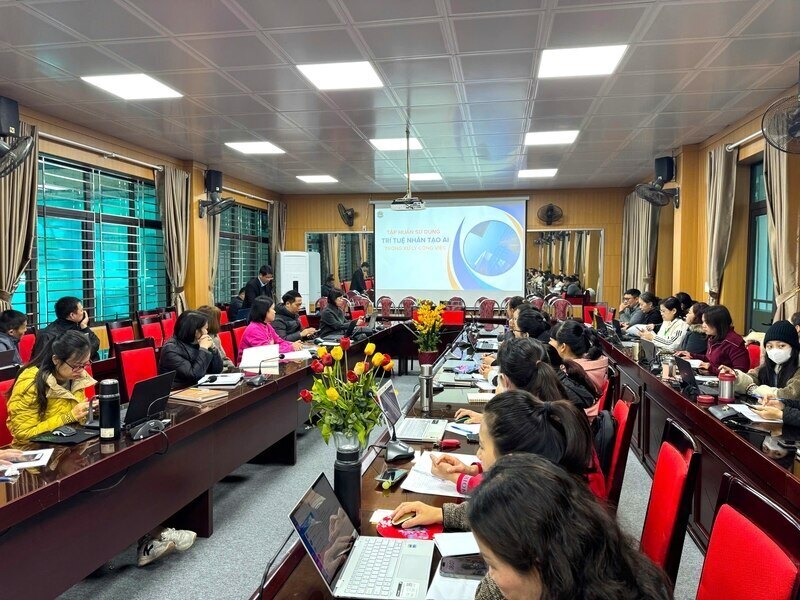
To date, 100% of classrooms are equipped with computers, projectors, internet and wireless network systems. The school also promotes the use of electronic records, student management software, online admissions and cashless collection and spending.
From Informatics classes, a bigger journey is opening up for Lao students in Son La. They are not only studying to pass the subject, but are gradually mastering technology to study better, be more confident and ready to step into the modern medical environment.
When returning to their homeland, those future health workers will bring not only professional knowledge but also digital skills, contributing to the digital transformation of the health sector and fostering the special friendship between Vietnam and Laos," added the Principal of Son La Medical College.


