
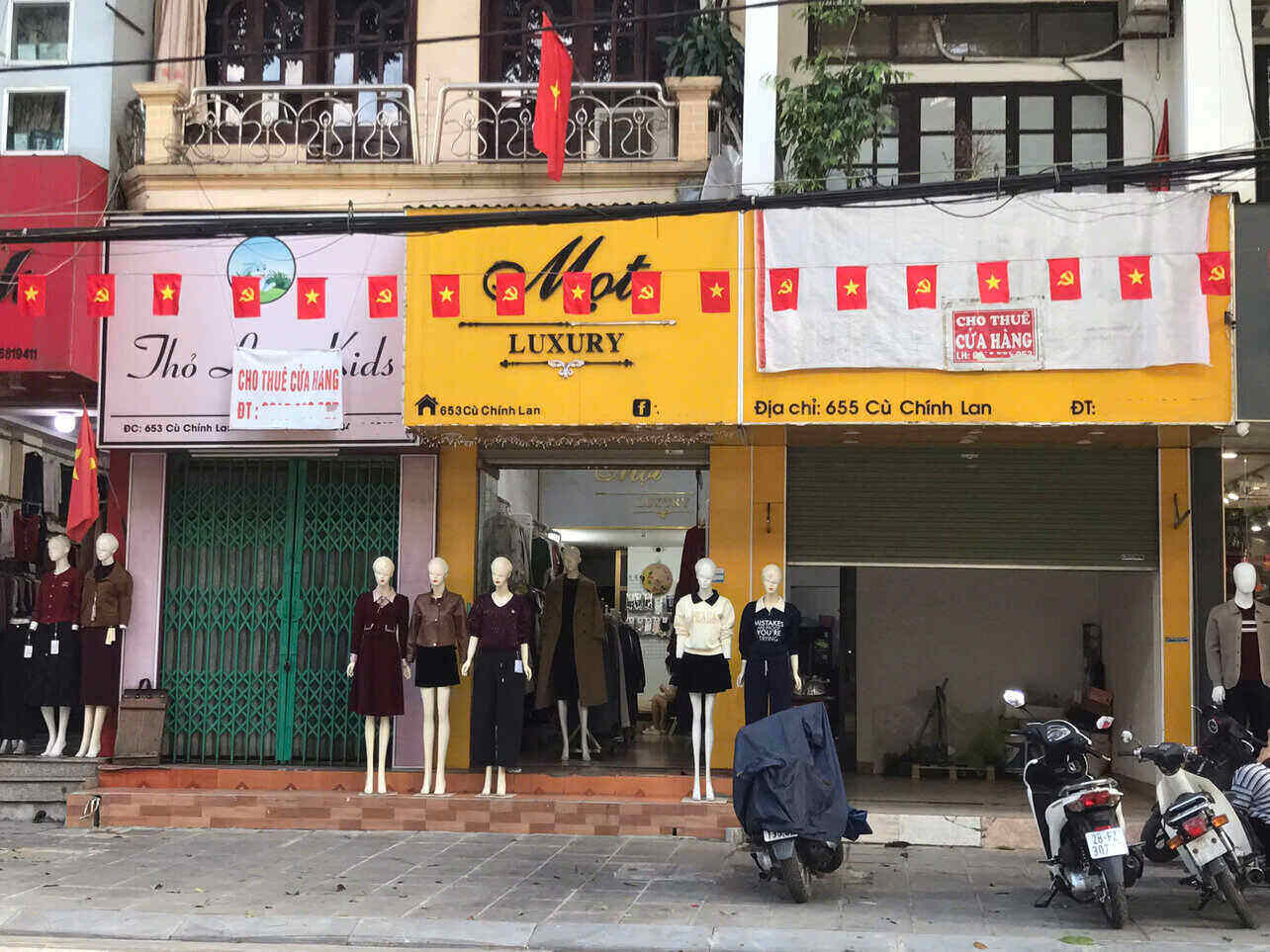
In the last days of 2025, the reporter's records show that on many streets that were once considered the "golden land" of Hoa Binh ward, Phu Tho province, the signs "Shop Rental" and "Place Rental" appeared dense.
Cu Chinh Lan, Tran Hung Dao, Chi Lang... - streets that were already crowded with people, now many shops are closing silently, the lights are turned off earlier than usual. Many premises that were once "popular" are now abandoned, even though the market is in the peak shopping season at the end of the year.
On Cu Chinh Lan Street, Ms. Nguyen Thu Uyen - owner of a clothing store - said that after nearly 5 years of working together, she decided to terminate the rental contract because she could no longer bear the costs.
"The rental fee in 2025 is 20 million VND/month, signed a one-year contract. Although it is an ancient town with many people passing by, business is getting more and more difficult.
Rental prices have increased steadily every year, while employee fees, taxes, and management costs have increased, and profits are almost gone," Ms. Uyen shared.
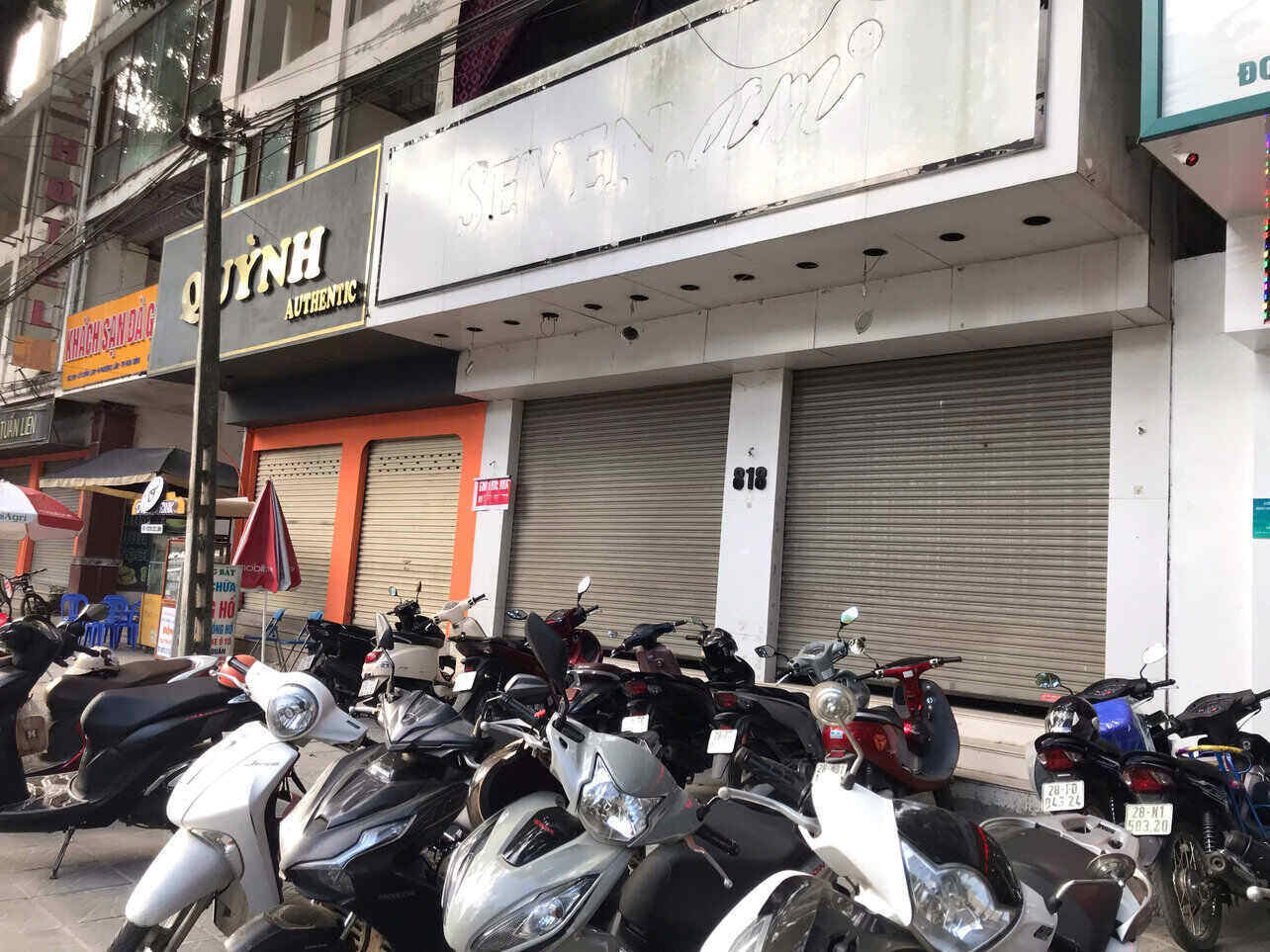
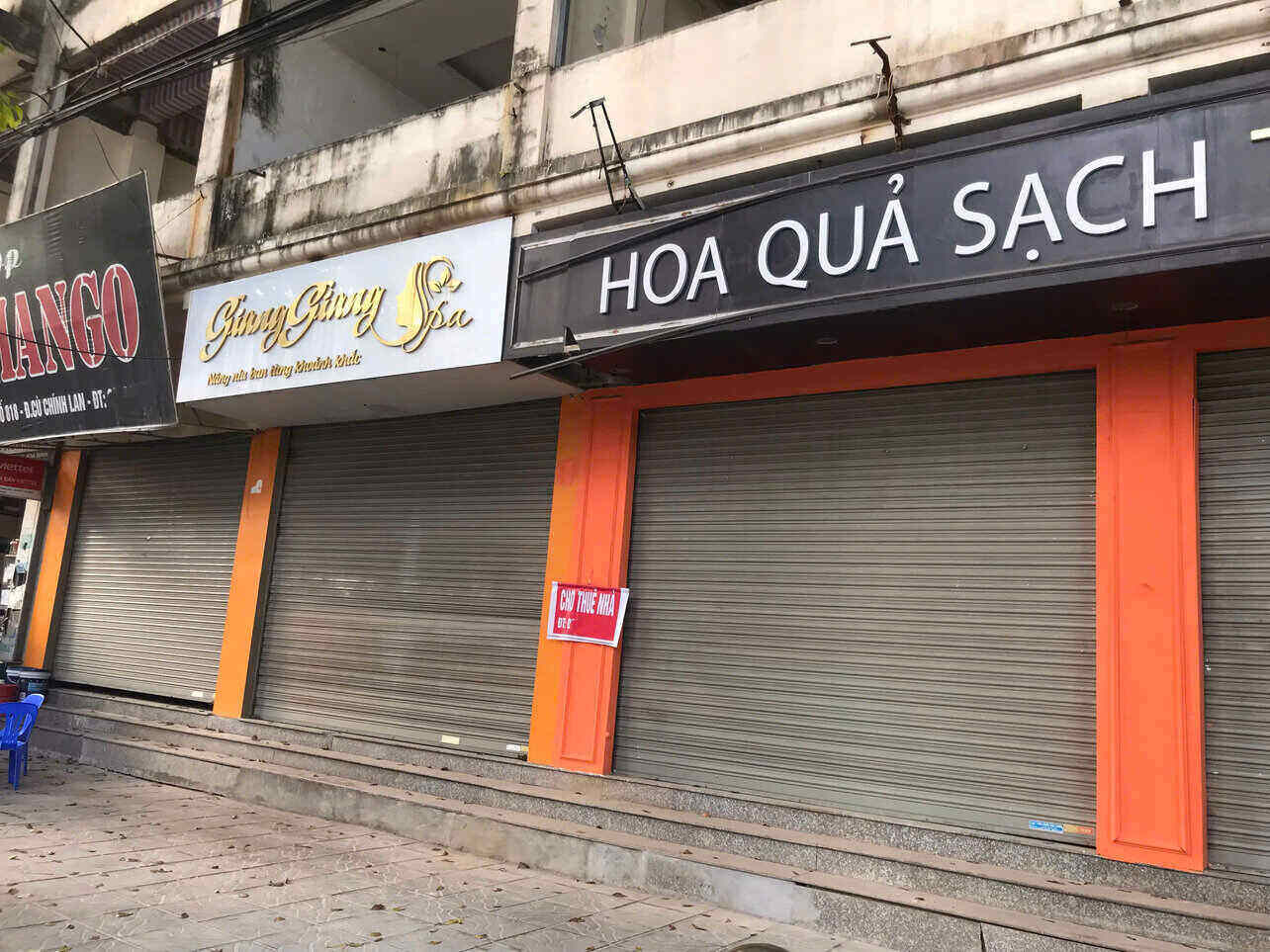
Not only fashion stores, many restaurants, cosmetics shops, and accessories stores on this street are in the same situation. Ms. L.T.H - owner of a cosmetics store, said that the number of customers has decreased significantly compared to the previous period.
"Customers now buy online a lot, comparing prices is very fast. Traditional stores have to bear additional rent, electricity, water, and human resources, so it is very difficult to compete," she said.
In fact, the situation of returning the premises is no longer a private matter of Phu Tho. This trend has appeared in many large cities, gradually spreading to localities. The common point is that purchasing power recovers slowly, consumer habits change, while rental prices on central streets remain high, even increasing every year.
According to Mr. Tran Duc Huy - real estate specialist at Dat Viet Real Estate Company, the fact that many stores simultaneously returned their premises reflects the difference between rental prices and actual profitability of business households.
"The homeowner still expects a high price like during the bustling market period, but the cash flow of small businesses is no longer strong enough. When revenue cannot cover fixed expenses, closing and returning premises is an inevitable choice," said Mr. Huy.
According to Mr. Huy, in the new "super wards" after the merger, the density of stores increased rapidly, but the population size and purchasing power have not yet expanded accordingly. This makes competition fiercer, especially with traditional business models that rely heavily on the number of customers.
From a long-term perspective, the retail space market is expected to gradually enter a self-adjustment phase. When rental prices are more reasonable, combined with restructuring business models and applying multi-channel sales, shopping streets in Hoa Binh ward can regain their vibrant rhythm.


