When airports not only serve travel needs
Vietnam's aviation market continues to grow along with the development of production, trade and international connectivity needs. In 2025, the market reached approximately 83.5 million passengers and 1.5 million tons of cargo.
According to Dr. Nguyen Phuoc Thang, Lecturer at the Faculty of Business and Logistics, Hoa Binh University, former Chief of Office, Head of Science, Technology and Environment Department of the Civil Aviation Authority of Vietnam, the demand for air transport, especially for goods, is increasingly closely linked to the development of production, export and global supply chains.
This trend is clearly shown in the North - an area with many industrial production centers. In Bac Ninh alone, the total import and export value in the first 6 months of 2026 is estimated at 106.4 billion USD; telephones and components are still the key commodity group, while the locality promotes the fields of electronics, semiconductors, microchips and AI. These are all high-value industries, requiring fast transportation speeds and high reliability in the logistics chain.

According to Dr. Phan Le Binh, lecturer of the Infrastructure Engineering program, Vietnam-Japan University (Vietnam National University, Hanoi), airports today are not only a passenger transport hub but also a gateway to trade, logistics, investment connection and international supply chains. Therefore, the effectiveness of an airport depends heavily on its ability to connect with traffic, industrial parks, logistics centers and surrounding urban areas.
Gia Binh in production and logistics networks
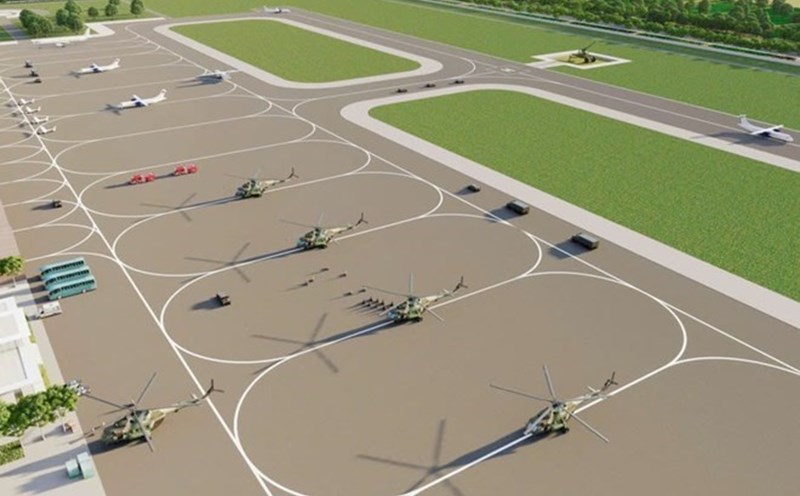
Gia Binh International Airport is oriented to develop according to the model of the New Generation Aviation Economic Hub (Airport Economic Hub 2.0), integrating aviation with logistics, commerce and services. According to the plan, the airport will reach level 4F according to ICAO standards, with a capacity of about 30 million passengers and 1.6 million tons of cargo per year by 2030.

According to experts, the long-term value of Gia Binh lies not only in the scale of exploitation but also in its location connecting with the dynamic production and export region of the North, while linking Hanoi, Hai Phong, Quang Ninh and many neighboring industrial centers.
Dr. Nguyen Phuoc Thang said that with the electronics, semiconductor and precision component industries, a new aviation gateway can help businesses shorten the time to bring goods to the international market and improve the reliability of the supply chain. Dr. Phan Le Binh also said that Gia Binh can add a connecting point to the Northern aviation network, in which logistics, freight transport and value-added services are notable advantages.
The value lies in the connection network
Experts believe that a large-scale airport will only be effective when placed in a synchronous infrastructure system. For Gia Binh, the key factor is connecting with Hanoi, Hai Phong, Quang Ninh and industrial centers through expressways, ring roads, and at the same time reserving space for long-term railway connection.
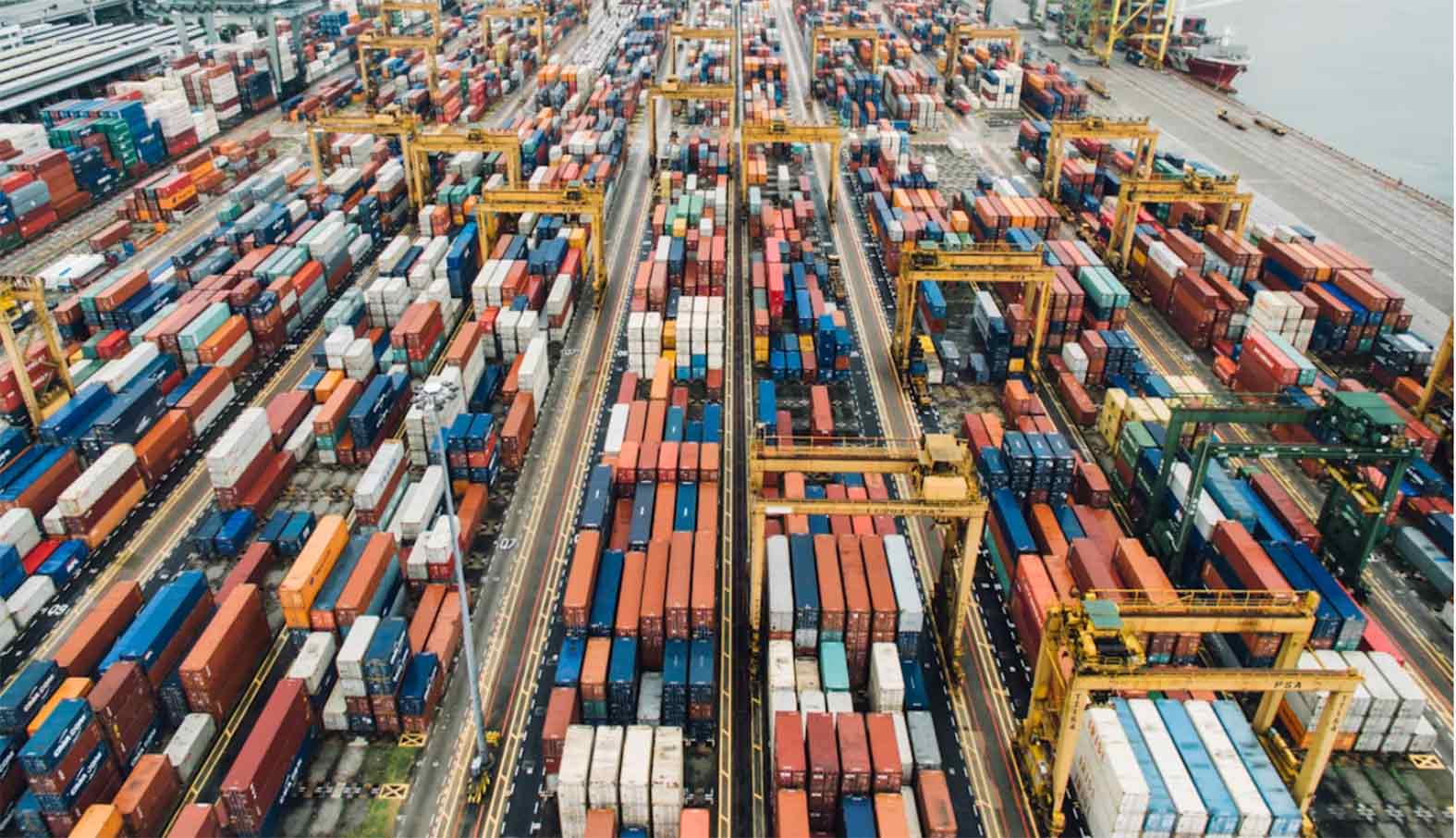
Parallel to transport infrastructure is a logistics system including distribution centers, ICDs, bonded warehouses and service areas directly linked to production activities. When airports, seaports, roads, logistics and industrial parks are placed in the same network, transportation times are shortened, businesses' access to international markets is expanded, and the attractiveness of the region to new investment flows is also improved, especially in high-tech industries. According to Dr. Phan Le Binh, this is the decisive factor in the economic impact of a large-scale aviation infrastructure.
Gia Binh's problem in regional strategy
Experience from aviation centers such as Chubu Centrair or Kansai (Japan) shows that the airport achieves the highest efficiency when developed as part of a regional economic strategy, with synchronization between railways, expressways, logistics, urban areas and industrial parks. However, Dr. Nguyen Phuoc Thang believes that Gia Binh should not copy the international model but should start from the Northern economic structure, the actual needs of businesses and the role of the airport in the overall national airport system.
An aviation economic center only forms when airlines, logistics enterprises, manufacturers, financial institutions, technology and service industries participate in a linked operational chain. When synchronously connected with the production, logistics, urban and transportation infrastructure networks, Gia Binh International Airport can create an additional international gateway for goods, enterprises and investment capital flows of the North, contributing to the formation of a new economic space in the Northeast Hanoi area and creating more growth room for the key economic region of the North.