
With a special position "back leaning against the mountain, face facing the sea", this place is not only a beautiful scenic spot but also has great historical and architectural value.
Before the project existed, this location was originally Phuoc Thang fortress built by the Nguyen Dynasty in 1824 to control Can Gio estuary. On the morning of the 8th day of Tet Ky Mui (February 10, 1859), a fierce battle of Nguyen Dynasty soldiers against the French-Spanish coalition took place here.
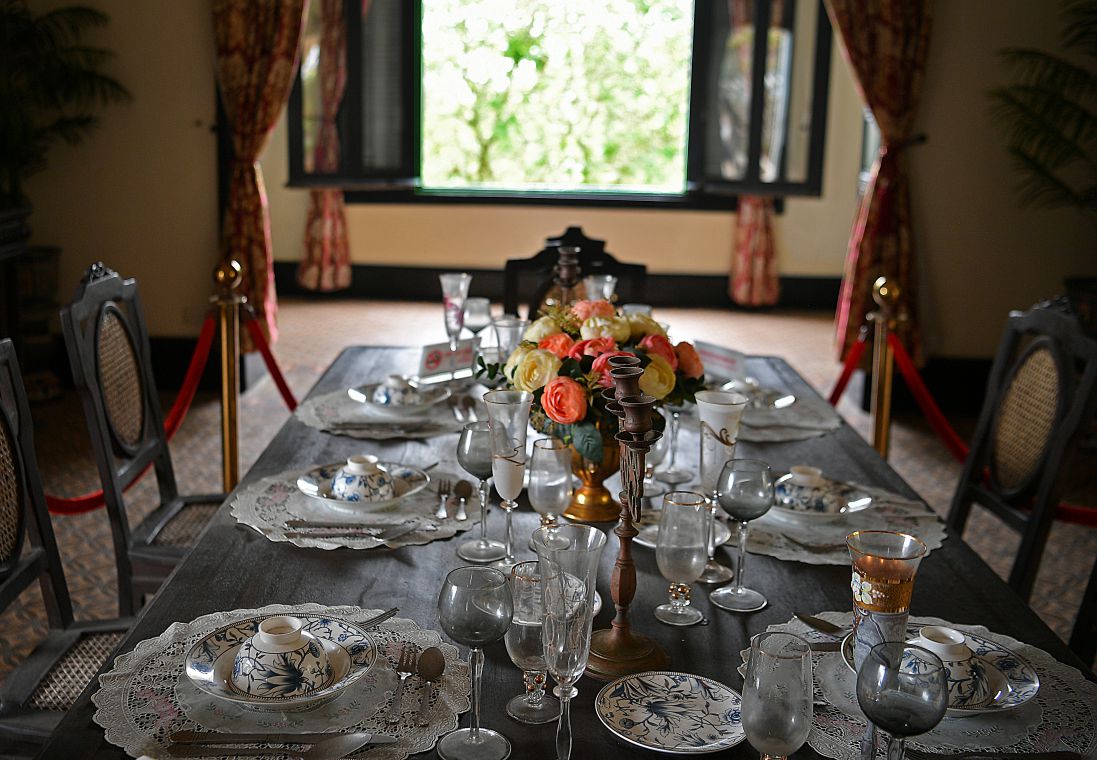
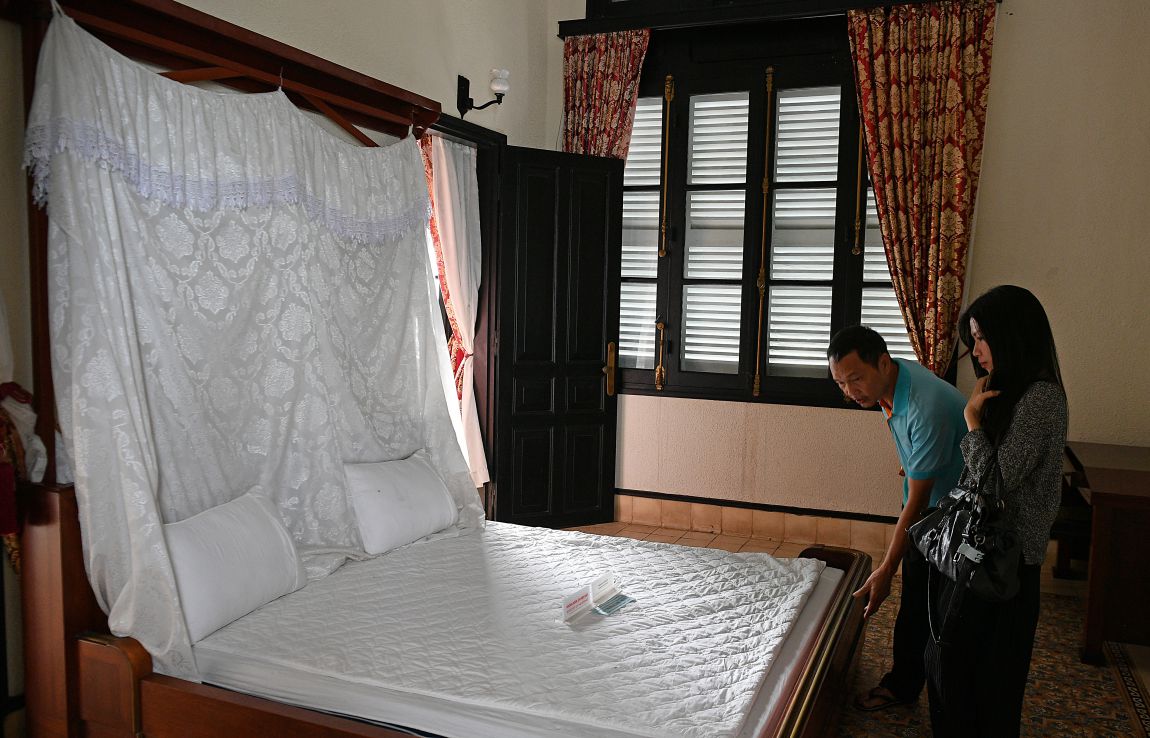
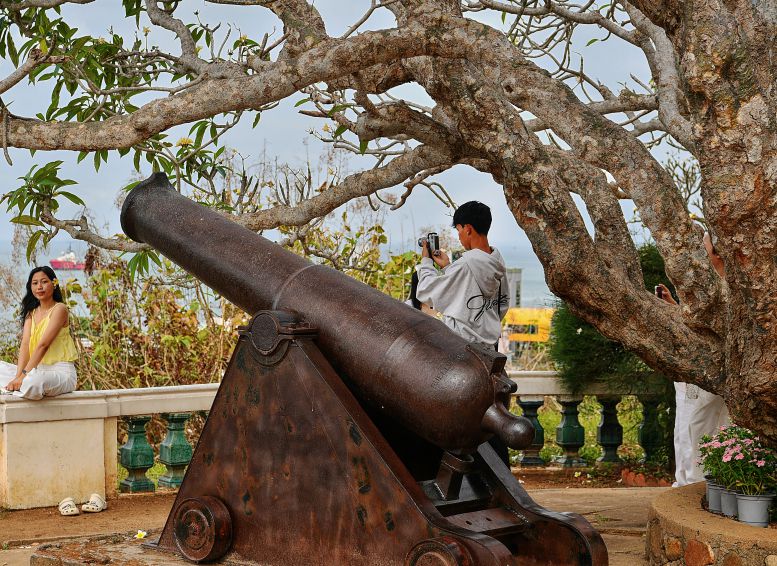
Although they did not win, the fighting will and courage of the soldiers at the fortress opened the spirit of resistance against the French colonialists, strongly encouraging the enemy fighting movement of the people of Nam Ky. The cannons currently on display at Bach Dinh are mostly guns manufactured by France around the end of the 19th century.
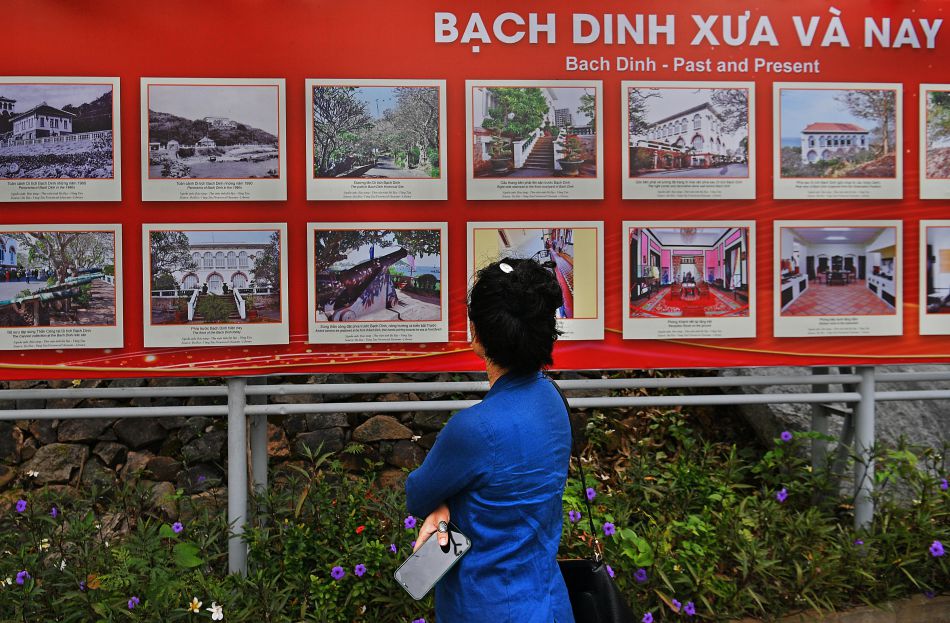
Later, the French built Bach Dinh in the European architectural style of the late 19th century. The building stands out with 3 floors (basement, ground floor and upper floor) along with a thick wall system, arched doors and flowery decorative motifs. The entire architectural space subtly blends with nature, from stone steps to rows of ancient porcelain trees, creating an elegant beauty amidst the green background of the mountains and forests. This work was once the resort of the Governors-Generals of Indochina, clearly reflecting the aesthetic imprint and purpose of use of the colonial government at that time.
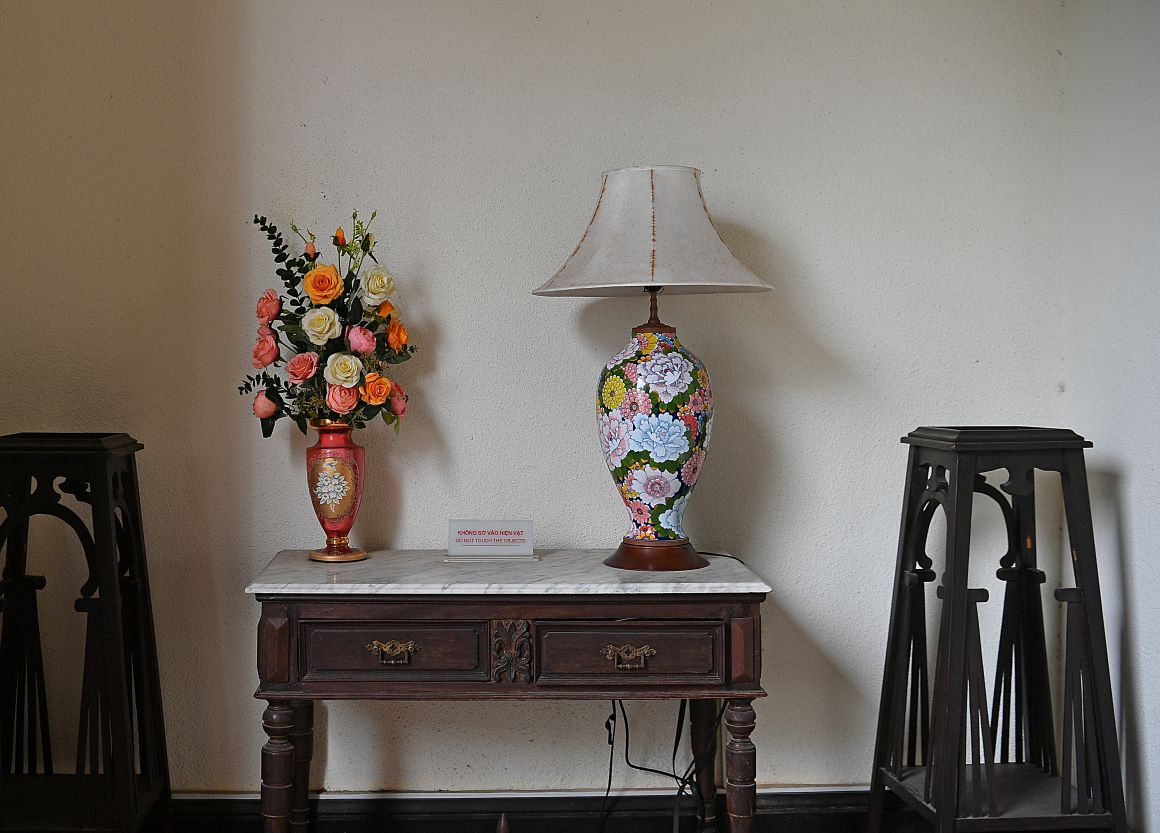
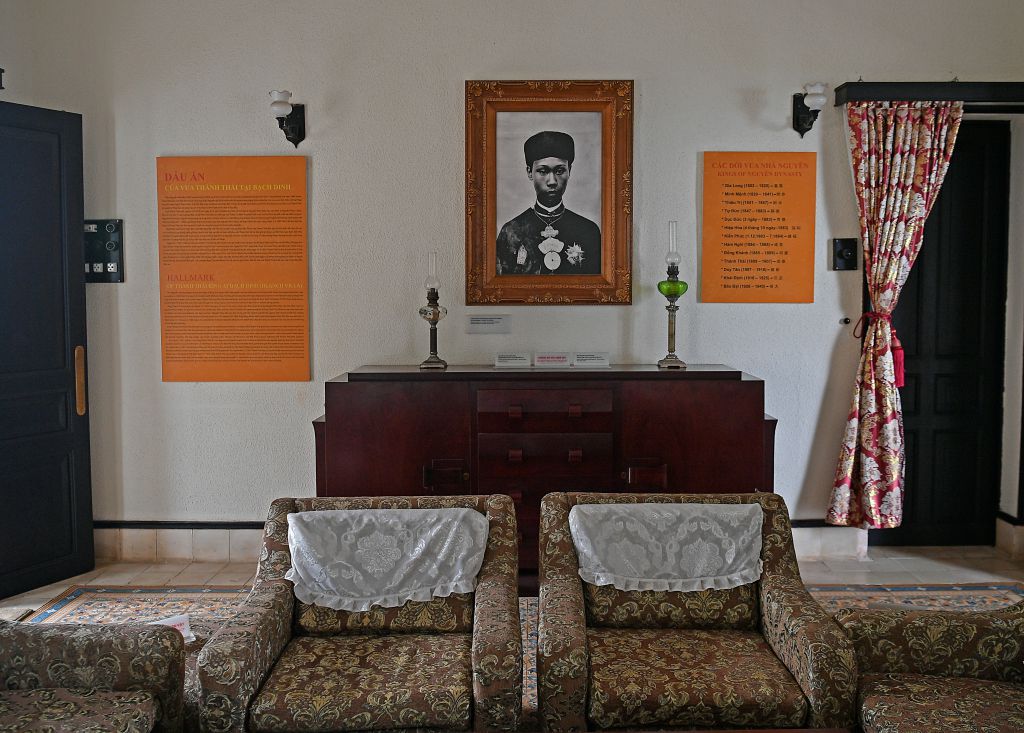
Notably, Bach Dinh is also a place marking the ups and downs of King Thanh Thai. Due to secret activities against the rule of the French colonialists, he was forced to abdicate in 1907. On September 12, 1907, the king was brought back to Vung Tau to settle in Bach Dinh building under close supervision, before being exiled to Réunion Island in 1916. The image of the patriotic monarch, despite being imprisoned, always received silent respect from the local people.

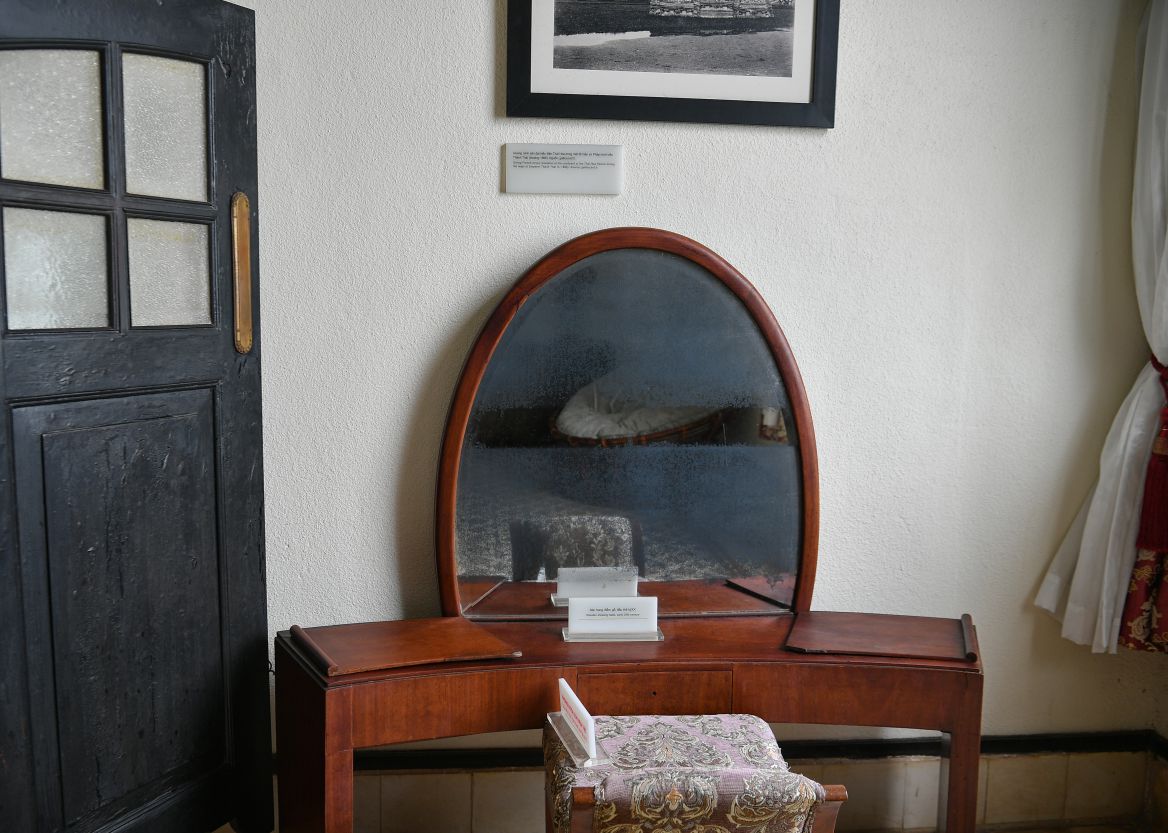
Over a century, Bach Dinh today is not only a historical relic but also an architectural heritage, a valuable scenic spot. The current relic conservation work always focuses on the harmony between preserving the original elements and exploiting them for research and cultural education, contributing to raising awareness of heritage protection in the community.


