
At the IX National Congress of the Vietnam Farmers' Union, Ms. Pham Hai Hoa - Chairwoman of the Hanoi City Farmers' Union said that the city aims to form a class of digital farmers, master technology, contribute to improving the value of agricultural products and sustainable agricultural development.
According to Ms. Hoa, the Hanoi Farmers' Association currently has nearly 370,000 members operating in 2,432 branches in 79 communes and wards.
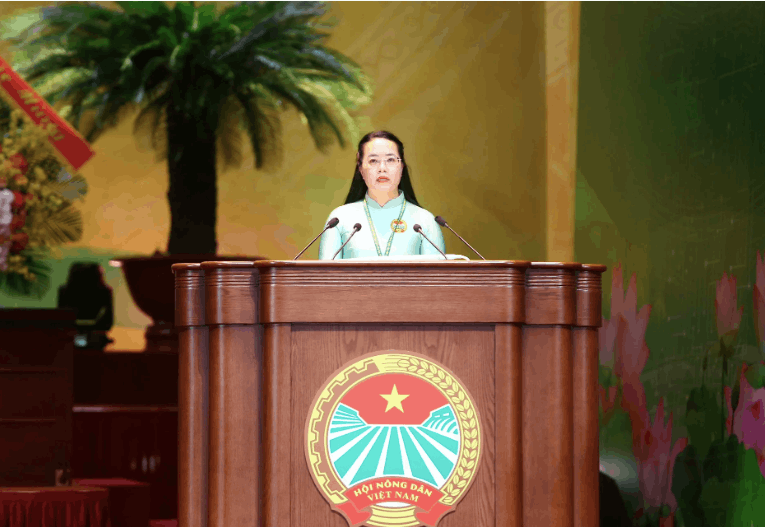
In recent years, the Associations at all levels have strongly shifted from agricultural production thinking to agricultural economic thinking; from chasing output to improving value; from traditional farming to developing green, digital and circular agriculture.
In particular, digital transformation is identified as an important driving force to improve the operational efficiency of the Association and the competitiveness of farmers. The Association has implemented the model "Digital Officials - Digital Branches - Digital Farmers", while digitizing and updating 97% of member data with 46 information fields on the "Digital Capital Farmers" platform, integrated with the "Digital Capital Citizens - iHanoi" system.
Data standardization not only serves management but also creates conditions to provide digital services, artificial intelligence (AI) applications, e-commerce and market connections for members.
In the coming period, the Hanoi Farmers' Association will continue to strongly innovate the content and methods of operation according to the "three accompanying" motto, including: accompanying to improve knowledge, skills and the ability to master technology; accompanying to remove difficulties, bring support policies into practice; accompanying to build brands, expand markets and improve the value of capital's agricultural products.
Regarding key tasks, the Association determines that first of all, it must build a generation of digital farmers. The city will promote the application of technology in the management of the Association's organization, agricultural production and business; promote the effectiveness of digital platforms such as iHanoi, Capital Digital Front, Capital Digital Farmers and the Vietnam Farmers' App.
Along with that, Hanoi will replicate the models "Digital Farmers Association Branch", "Digital Farmers Association Group", "Digital Cooperative", supporting farmers to apply AI, IoT, electronic diary, traceability and e-commerce in the entire agricultural product value chain. The goal is to have over 10,000 members, farmers and cooperative members trained in digital skills, contributing to forming a new force of farmers who proactively integrate and master technology.
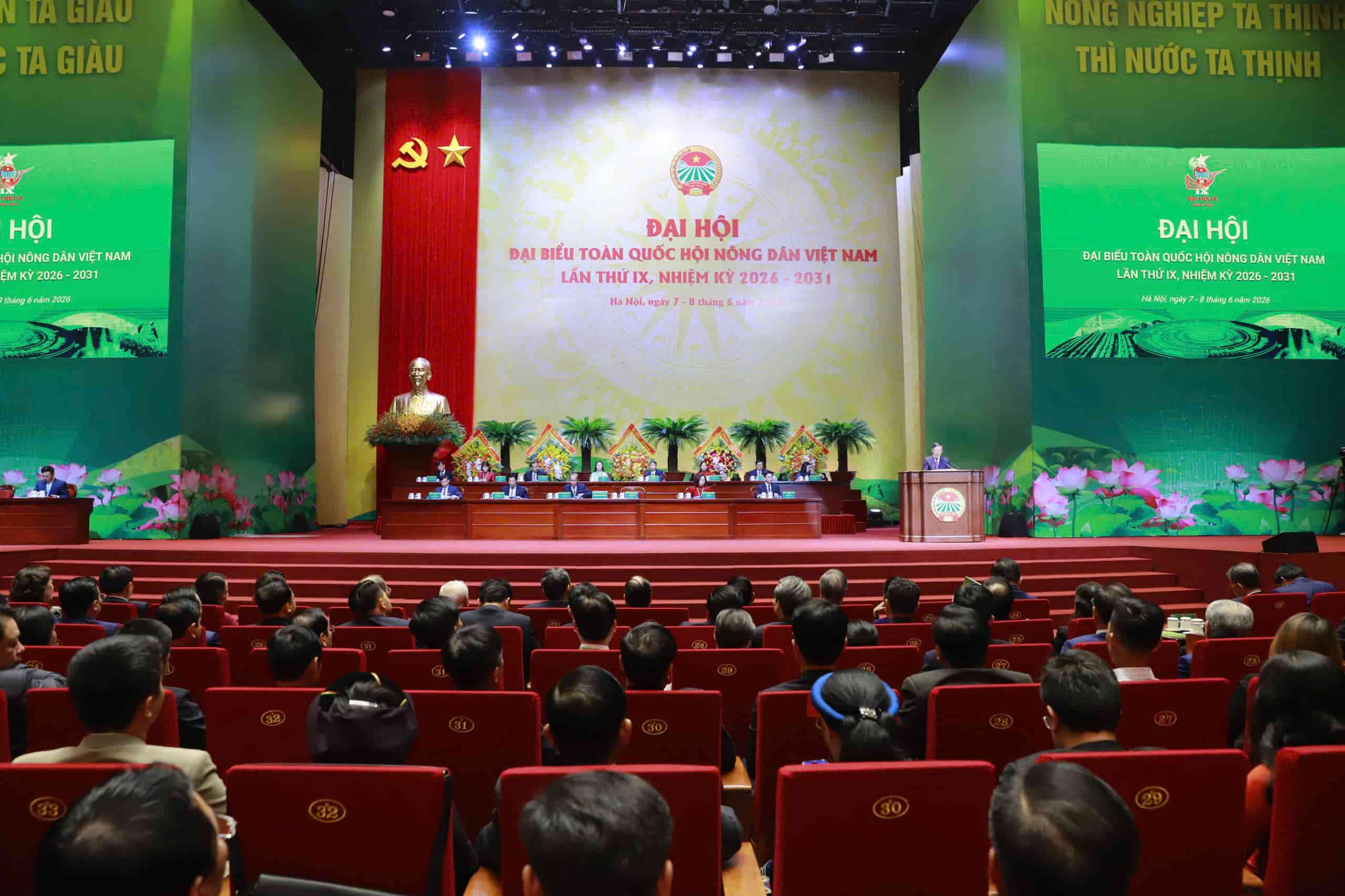
In parallel with digital transformation, the Hanoi Farmers' Association focuses on developing ecological, modern and high-value urban agriculture. The city will continue to replicate clean, organic, high-tech, smart agriculture models associated with experiential tourism; support brand building, OCOP product development and expand the distribution system of safe agricultural products.
One of the notable goals is that 100% of commune-level Farmers' Associations maintain at least one safe agricultural supply point, and all loan projects from the Farmers' Support Fund must commit to implementing environmentally friendly production processes.
In addition, Hanoi also focuses on building green, civilized and livable rural areas. Association levels will continue to implement environmental protection movements, mobilize members to sort waste at source, apply biological products to treat waste and develop environmentally friendly production models.
The city strives for at least 80% of livestock waste and 60% of agricultural by-products to be collected, reused or recycled into raw materials, fuels and useful products.
According to Ms. Pham Hai Hoa, maintaining and replicating models such as "Model Farmer Road", "Farmers' Tree Row", "Clean Field", "Clean Field Area", green farmers' clubs and environmental protection farmers' clubs will contribute to creating a bright - green - clean - beautiful rural landscape, preserving traditional cultural identity and improving the quality of living environment for people in the suburbs of the Capital.


