
The epidemic is developing complicatedly
On May 11, leaders of the Department of Agriculture and Environment of Lam Dong province said that they are directing specialized units to coordinate with localities to focus on controlling outbreaks, determined not to let them spread widely, and protect the total livestock herd in the area.
According to the VAHIS system of the Department of Livestock and Veterinary Medicine, by the beginning of May 2026, African swine fever had appeared in 17 provinces and cities across the country. In Lam Dong, the pathogen appeared from the beginning of April in Bac Gia Nghia and Da Teh.
At Mr. Phan Son's household (Bac Gia Nghia ward), on April 3, an outbreak was detected on a herd of 24 pigs. This herd of pigs was bought from outside the province and raised for about 20 days before developing the disease.
Immediately after having positive test results, the locality mobilized forces to implement epidemic prevention measures.
The entire herd of pigs was destroyed on the same day, and disinfection was sprayed continuously for a week. Up to now, the outbreak in Bac Gia Nghia has been controlled, and no more cases have occurred.
Meanwhile, Da Teh 3 commune is a hot spot when the epidemic recurred at Dateh 02 SF farm under DH VINA AGRI Co., Ltd. After 19 days of temporary stabilization, by May 3, the epidemic broke out again on a total herd of nearly 10,000 animals.
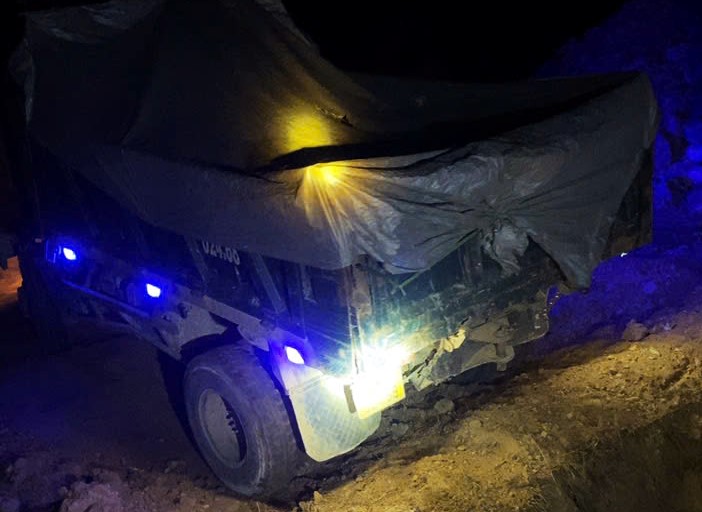
This is a concentrated livestock area with high density, a continuous barn system, so the risk of spread is very high if not strictly controlled.
Destroying more than 10,000 infected pigs
Mr. Nguyen Viet Vui - Deputy Head of the Provincial Sub-Department of Livestock and Veterinary Medicine said that by May 5, functional agencies had destroyed more than 500 sows and agreed to destroy all 9,556 pigs at the farm to eliminate pathogens.
According to Mr. Vu Ngoc Lam - Chairman of Da Teh 3 Commune People's Committee, after discovering that the pig herd at Dateh 02 farm showed signs of disease, functional forces took 39 samples for testing, and the results showed that 12 samples were positive for African swine fever virus.
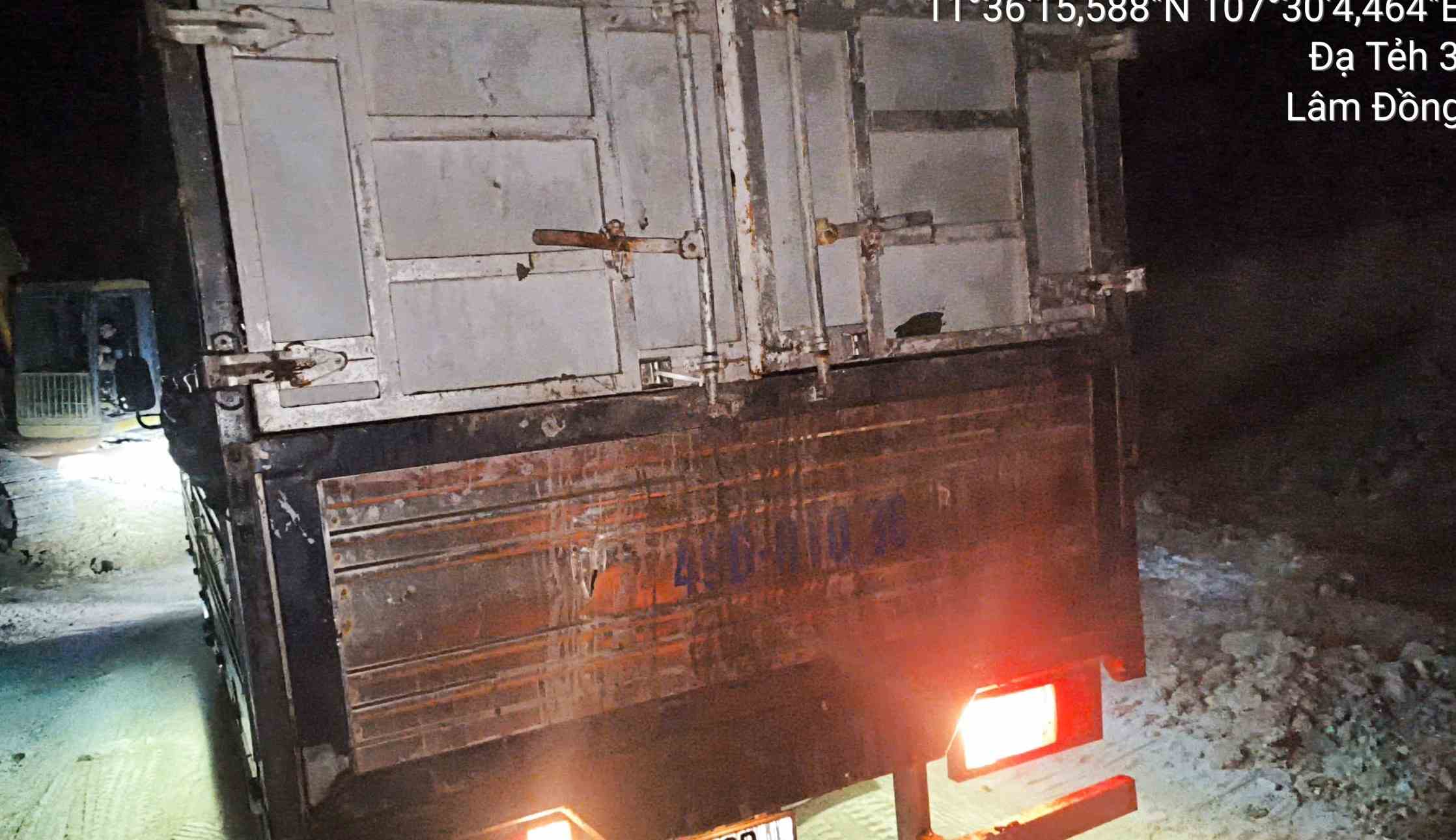
The locality coordinated with veterinary agencies and businesses to destroy all 9,556 pigs with a total weight of more than 356 tons. The destruction was carried out according to the correct procedures such as digging burial pits, sprinkling lime powder, and spraying disinfectant to limit the risk of spreading pathogens into the environment. Currently, the destruction and disinfection at the farm has been completed," Mr. Lam said.
To control the epidemic, the Department of Agriculture and Environment requests the Sub-Department of Livestock and Veterinary Medicine to coordinate with local authorities to strengthen local supervision, and assign officials to be on duty in epidemic areas and high-risk areas.
In particular, strictly control the transportation of animals and animal products; organize sanitation, disinfection and sterilization in animal breeding, slaughtering and trading areas.
Functional sectors also recommend that people strictly implement biosafety farming procedures, especially complying with "5 no's": Do not hide the epidemic; do not buy, sell, or transport sick pigs; do not slaughter sick pigs; do not throw dead pigs into the environment; do not use leftover food that has not been heat-treated.
Up to now, in addition to Da Teh 3 commune, which is still under monitoring for less than 21 days, the African swine fever situation in the province is basically still under control.


