
Salmon, herring, shrimp, oysters and crab are not only attractive dishes but also a group of foods good for the heart by providing abundant protein, omega-3 and many essential micronutrients. However, according to nutrition experts, to protect optimal heart health, the important thing is not only what kind of seafood you eat, but also how you process and combine them in an overall diet.
Benefits of 5 types of seafood for cardiovascular health
Instead of expecting a separate food that can completely prevent cardiovascular disease, the American Heart Association (AHA) recommends that people maintain a diverse diet, including eating fish (especially fatty fish) at least 2 times a week. Here are 5 typical seafoods:
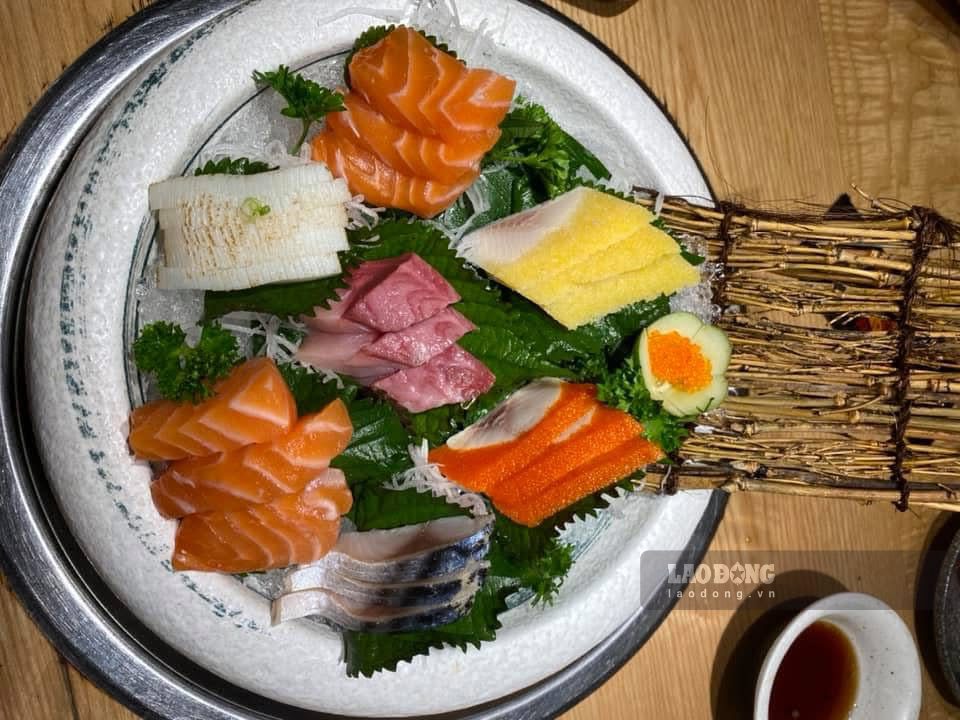
Salmon and herring: Rich sources of Omega-3
Salmon and herring are famous as superior sources of Omega-3 fatty acids, especially EPA and DHA, and also contain a lot of vitamin D and selenium. Omega-3 from fish has been proven by many medical studies to have a positive relationship with blood fat levels (especially helping to control triglycerides). However, this does not mean that just eating salmon will "automatically stabilize heart rate" or cure cardiovascular disease. Consumption needs to be combined with a doctor's treatment regimen.
Shrimp and oysters are rich in micronutrients that protect cells
Provides a source of lean protein, low in saturated fat. In particular, shrimp contain astaxanthin - a compound with strong antioxidant properties.
Provides a large amount of zinc, iron, vitamin B12 and a part of omega-3. Although iron and B12 are involved in the red blood cell production process, oysters should not be considered a "medicine" for direct anemia treatment.
Crab supplements with Protein and Vitamin B12
Crab meat is an excellent source of protein, copper and vitamin B12. These are the foundational nutrients for the body's normal metabolic activities. The value of crab for cardiovascular health is to provide essential nutrients without carrying too much bad fat (if processed properly).
Summary table of how to eat seafood that is good for the heart
For the above seafoods to truly become a good diet for the heart, the processing method plays a decisive role. Salt-roasted, deep-fried or buttercream sauce dishes will destroy the inherent benefits of food.
Recommendations for processing seafood to protect cardiovascular health
| Seafood | Nutritional characteristics & Preparation notes |
|---|---|
| Salmon, Herring | Rich in Omega-3 (EPA, DHA). Should: Steam, grill, braise lightly. Avoid: Frying deep in oil, smoked with a lot of salt. |
| Shrimp | Source of Protein and astaxanthin. Should: Boil, steam. Avoid: Butter sauce, greasy cream cheese. |
| Oysters | Rich in zinc, iron, B12. Note: It is necessary to ensure hygiene and safety, prioritize eating cooked food (cooked soup, porridge) to avoid food contamination. |
| Crab | Provide copper, B12. Avoid: Salt-roasted crab, salty tamarind sauce. People who need blood pressure control must especially limit sodium. |
Need to maintain a healthy lifestyle in parallel with diet
In addition to choosing foods that are good for the heart, a healthy heart requires efforts from many lifestyle factors. You need to maintain appropriate physical activity (walking, cycling, swimming), control weight, absolutely do not smoke and follow the treatment prescription of a specialist doctor if you have a underlying disease.
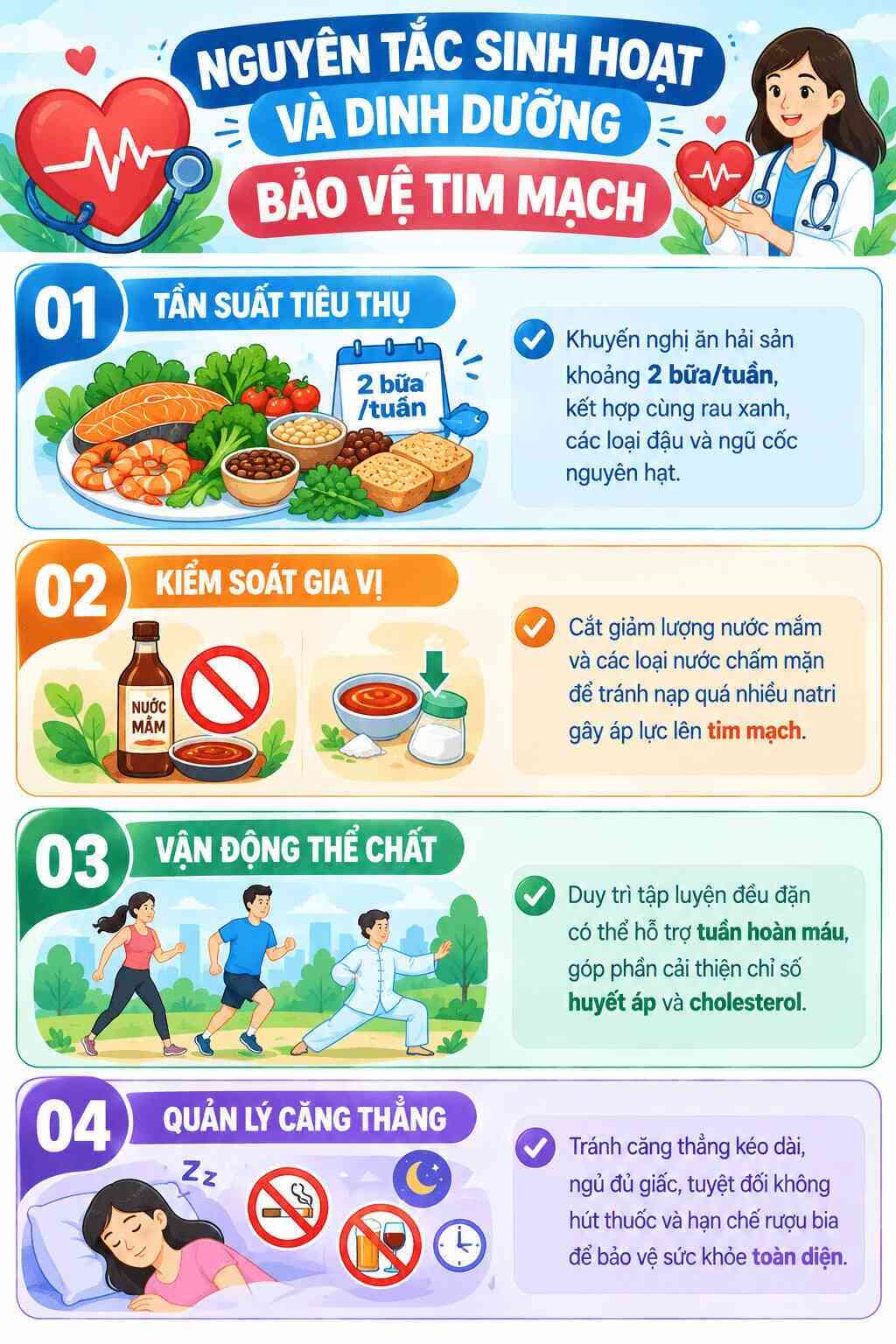
Information in the article is for reference only, not for medical diagnosis. Cardiovascular patients, high blood pressure or dyslipidemia need to talk directly to their doctor to have a personalized diet.
Q&A corner: Sleep and cardiovascular health
Besides diet, what is the role of getting enough sleep for cardiovascular health? Answer: Sleep plays an essential role. Getting enough sleep (7-8 hours/night) and maintaining a stable schedule helps reduce stress, naturally lower blood pressure and create conditions for the blood vessel system to recover. However, sleep is just a piece of the puzzle and cannot replace a reasonable diet, exercise or in-depth medical interventions when needed.


