
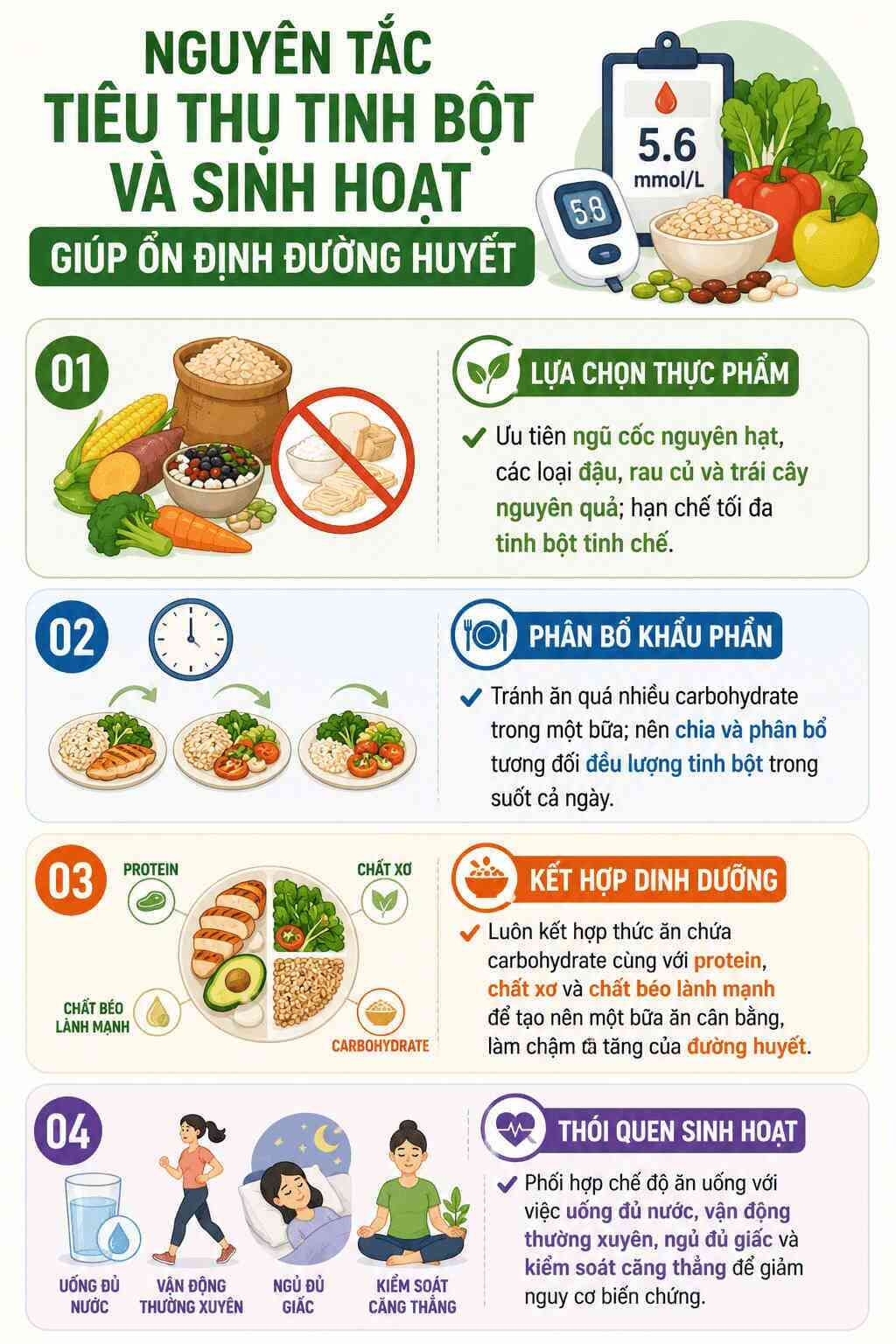
Refined starches such as white rice, vermicelli, and pho can cause blood sugar to rise rapidly, contributing to insulin resistance and weight gain. According to experts, patients should prioritize foods containing complex starches or rich in fiber to help blood sugar rise slower.
Green papaya: Green papaya provides water, fiber and some minerals such as potassium. When using, people who need to control blood sugar should still pay attention to the diet and total amount of carbohydrates in meals.
Sweet potatoes provide carbohydrates and fiber. The level of impact on blood sugar can vary depending on variety, diet and processing; boiled sweet potatoes often have a lower glycemic index than grilled or roasted.
Yogurt provides protein and calcium. People who need to control blood sugar should prioritize pure types, without adding sugar to limit the amount of sugar added to the diet.
Apples provide carbohydrates and fiber. Fiber can slow down the digestion and absorption of carbohydrates compared to products that remove most fiber such as juice.
Lentils provide a lot of fiber and plant protein. This is one of the sources of fiber-rich carbohydrates that can be included in the diet of people who need to control blood sugar with appropriate portions.
| Food | Nutritional value supports blood sugar control |
|---|---|
| Provide water and fiber, still need to pay attention to the diet and total amount of carbohydrate starch. | |
| Provide water and fiber, still need to pay attention to the diet and total amount of carbohydrate starch. | |
| Provide protein and calcium, so prioritize sugar-free types. | |
| You should eat whole fruits to retain fiber instead of prioritizing juice. | |
| Provide fiber, plant-based protein and starch, suitable for a balanced diet. |
To maintain health, it is necessary to combine starch with protein, healthy fats, and drink enough water, exercise regularly and get enough sleep.
The information in the article is for reference only, not for medical diagnosis or treatment. You should talk directly to your doctor for accurate and appropriate advice to your health condition.
Q&A corner: Nutrition and blood sugar index
What is the glycemic index (GI) of food and what is its meaning when choosing a dish?
GI (Glycemic Index) is a ranking index of carbohydrate-containing foods based on the level of post-eating glycemic increase compared to a reference food. Foods with low GI often cause lower post-eating glycemic increase than foods with high GI.
However, GI is not the only factor that determines the impact of a meal on blood sugar. Portions, total carbohydrates, cooking methods, as well as the amount of fiber, protein, and fat in a meal can all affect blood sugar response.


