
Balut is a nutritious dish (providing about 180 calories, fat, zinc, vitamin B12).Elderly people, especially those with high blood pressure or cardiovascular disease, should pay attention to the portion size and amount of salt served.
Risk of high blood pressure and cardiovascular pressure
According to experts, one balut contains up to 600mg of cholesterol. People with dyslipidemia or cardiovascular risk should pay attention to total cholesterol, saturated fat and diet quality.
Notably, the habit of eating balut with a lot of salt unintentionally increases the amount of sodium intake into the body. Eating a lot of sodium increases blood pressure and impairs kidney function, increasing cardiovascular risk. WHO recommends adults to use less than 2,000 mg of sodium/day, equivalent to less than 5 g of salt.
Safe eating instructions for the elderly
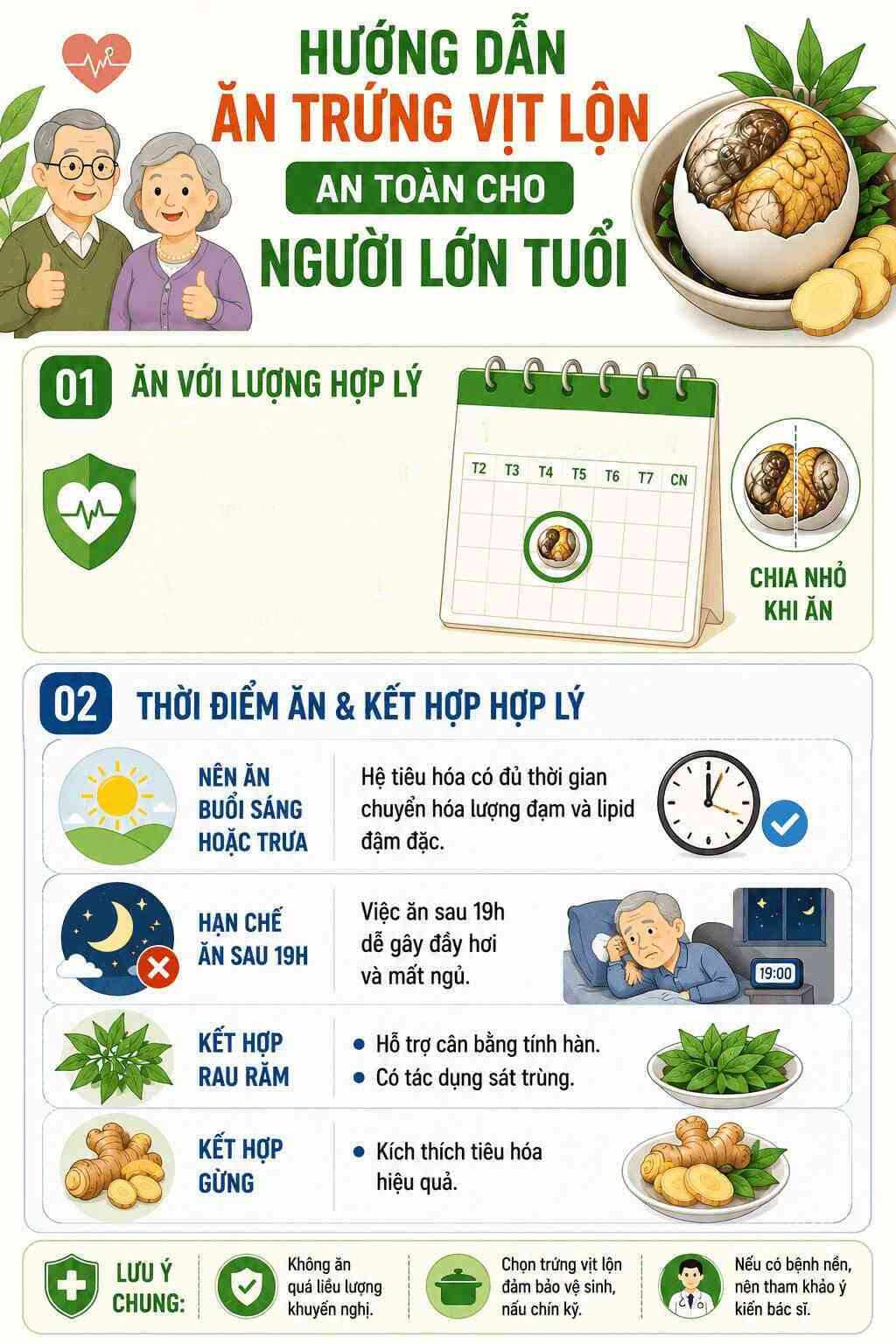
The information in the article is for reference only, not for medical diagnosis or treatment. You should talk directly to your doctor for accurate and appropriate advice to your health condition.
Quick Q&A: Safe nutrition for blood pressure patients
Do people with high blood pressure need to abstain from balut?
According to experts, not dipping in salt will significantly reduce sodium intake, thereby supporting blood pressure control. It is not necessary to completely abstain from eating balut just because of concerns about high blood pressure. It is important to control the total amount of sodium in the diet, because eating too much sodium can increase blood pressure. When eating balut, you should limit adding salt or salty spices.
People who also have dyslipidemia, cardiovascular disease, or diseases requiring a special diet should consult a doctor or nutritionist about a suitable diet instead of applying a fixed fruit limit to everyone.


