Whitmore warning: Fever, abscess easily mistaken for disease
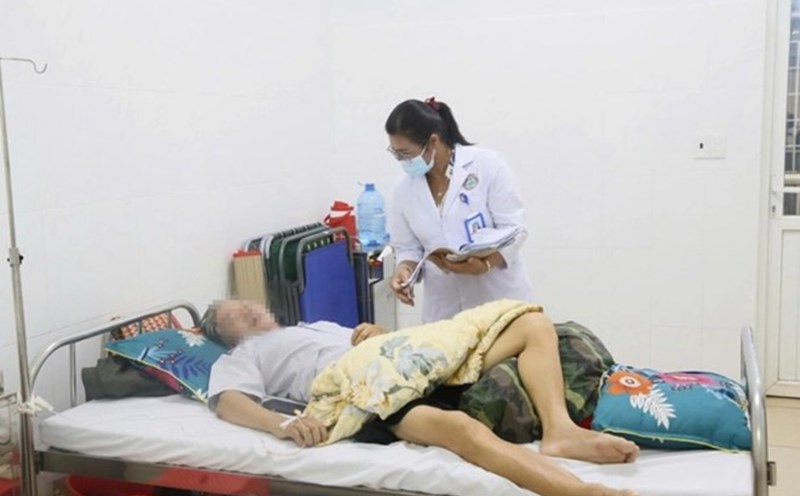
The Center for Tropical Diseases - Bach Mai Hospital has received cases with symptoms of fever, poor appetite, weight loss, swelling and abscesses in some areas of the body. The patients' signs and symptoms are very similar and often confused with tuberculosis and staphylococcus infection.
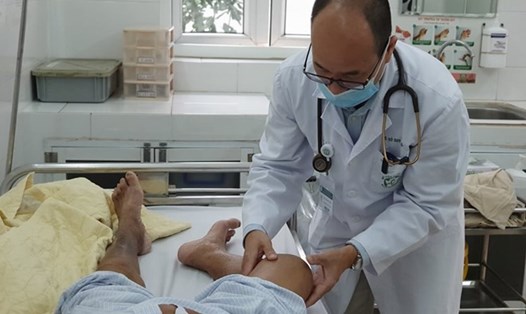
After receiving the patient, doctors at the Center for Tropical Diseases diagnosed suspected Whitmore's case and quickly proceeded to transplant blood and pus from the abscess sites. Along with urgent diagnosis, doctors developed a treatment regimen for Whitmore's disease for the patient and closely monitored the clinical signs. After the test results detected Burkholderia pseudomallei bacteria, Whitmore's disease-causing bacteria (Melioidosis), the patient was explained and consulted on a long-term treatment regimen to avoid recurrence.
As in the case of patient T.V. L, 58 years old (Soc Son, Hanoi) who was admitted to the hospital in a state of pneumonia, prostate and rectal abscess, poor appetite, and weight loss. Abscesses are infection foci created by bacteria. According to the patient's sharing, there have also been cases of Whitmore's death around the living area.
After clearly identifying the cause, Whitmore's case was used the antibiotic regimen recommended by the Ministry of Health; always coordinating with many specialties to treat abscesses, control blood sugar, nutrition and improve physical condition.
Easy to get after exposure to polluted environment
According to the Department of Disease Prevention (Ministry of Health), Whitmore's disease is caused by Burkholderia pseudomallei bacteria, which naturally exist in polluted soil, mud and surface water sources.
People can get sick when directly exposed to dirty soil, mud, and water through scratches on the skin; inhaling dust or infected water droplets; or using unsanitary water and food sources.
Notably, the disease has diverse clinical manifestations, easily confused with many other diseases, making early diagnosis difficult. When progressing severely, patients may develop pneumonia, abscesses of many organs, sepsis, septic shock - complications that can be life-threatening.
People with underlying illness face high risk
Experts warn that people with underlying diseases such as diabetes, liver, kidney, chronic lung disease or immunodeficiency are at higher risk of Whitmore. In addition, groups of workers who are frequently exposed to dirty soil, mud, and water such as farmers and environmental workers also need to pay special attention.
Whitmore is a rare and non-communicable disease from person to person. However, the disease is common in Southeast Asia and Northern Australia. In Vietnam, sporadic cases are still recorded every year, with an increasing trend after heavy rains, floods or storms.
Faced with the increasing risk after natural disasters, the Department of Disease Prevention recommends that people implement disease prevention measures: Limit contact with soil, mud, stagnant water, especially in polluted areas or after rain and floods; Use protective gear such as boots, gloves when working or cleaning the environment; Cover and take good care of open wounds, avoid contact with dirty water sources; Do not walk barefoot in muddy, flooded areas; limit bathing and swimming at suspected polluted water sources; Maintain personal hygiene, wash hands with soap after contacting a dirty environment....
People should not panic about Whitmore information. However, proactive disease prevention, during the rainy and storm season, is a key factor in helping to minimize the risk of disease and protect public health.