
Uric acid is a substance produced when the body breaks down purines - a natural compound found in many foods and drinks. When uric acid levels increase excessively in the blood, they easily crystallize into urate salts in joints and tissues, causing swelling, acute inflammation and pain called gout.
Many patients are afraid of dark and stimulating drinks. So, does drinking coffee increase uric acid? From a medical perspective, the answer will surprise many people.

Coffee does not increase blood uric acid
Scientists have analyzed data from many studies to examine the close link between coffee consumption, blood uric acid levels and the risk of gout.
Actual results show that people who drink coffee often do not tend to increase uric acid. Even, the concentration of this substance may be significantly lower in the group that drinks coffee regularly compared to the group that does not use it.
Notably, a large-scale study using data from nearly 15,000 adults recorded: Coffee consumption is inversely related to uric acid levels. Specifically, people who have a habit of drinking coffee have an even lower tendency to reduce blood uric acid levels. Because gout is a direct clinical consequence of uric acid excess, this is a positive medical signal. This trend does not only appear individually but is reinforced in most collected data.
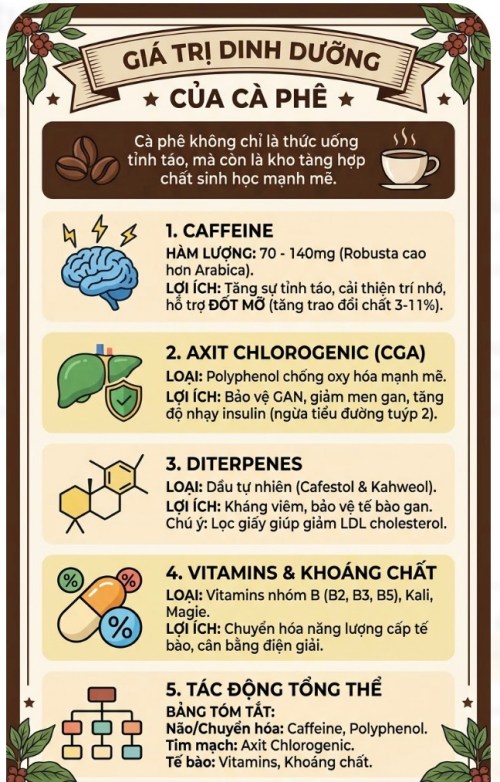
This suggests that coffee not only simply supports reducing uric acid levels but can also have a positive impact through other biological pathways such as: having anti-inflammatory properties and the ability to enhance uric acid excretion through the kidneys.
Table of comparison: Coffee and uric acid habits
| How to use Coffee | Effects on Uric Acid & Gout |
|---|---|
| Black coffee / Low sugar (1-2 cups/day) | |
| Coffee adds more sugar, syrup, fatty cream |
Instructions on safe coffee use for people at high risk
If you have a high uric acid index or are living with gout, experts recommend following principles:
Drink coffee in moderation: Some studies also record that coffee drinkers have a lower risk of gout attacks. For healthy people, moderation is considered safe and there is no need to abstain for fear of increased uric acid.
Pay attention to the ingredients of the mixed drinks: Drinking coffee with lots of refined sugar, syrup, or fatty cream can destroy the positive effects and adversely affect overall health. Especially, if you have insulin resistance or obesity - factors directly related to increased uric acid and gout - stay away from sugary ready-made drinks. The top priority is always black coffee or coffee with very little sugar.
Listen to and monitor personal symptoms: Although overall evidence confirms that coffee is safe, each body has different reactions and tolerances. If you notice that after drinking coffee, joint pain symptoms worsen or uric acid tests increase, temporarily stop monitoring and talk directly to your specialist doctor.
Comprehensive measures to control uric acid have been proven
In addition to using coffee properly, clinical guidelines on gout prevention and treatment recommend that patients adhere to the following medical strategies:
Limit alcohol and beer: Especially beer, this is a factor that promotes the production and retention of extremely strong uric acid.
Cut down on fructose: Stay away from sugary drinks, carbonated soft drinks and artificial sweeteners.
Lifestyle changes: Control ideal weight, maintain the habit of drinking enough water (helps kidneys excrete) and exercise regularly.
The information in the article is for reference only, not for medical diagnosis or treatment. You should talk directly to your doctor for accurate and appropriate advice to your health condition.
Q&A about coffee and uric acid
Do people with gout have to completely abstain from drinking coffee?
Research on 15,000 people shows no need to abstain. Some studies show that moderate coffee consumption may be associated with lower uric acid levels.
Can drinking coffee cure gout?
No. Coffee only has the effect of supporting anti-inflammatory and reducing uric acid. To control the disease, you still have to limit alcohol, abstain from sugar and control weight.
What if I finish drinking coffee and feel more joint pain?
The constitution and tolerability of each person are different. If swelling and pain appear after drinking, you need to temporarily stop using and immediately talk to your specialist doctor.


