
White rice is the main food in Vietnamese meals. However, for people with diabetes, carbohydrate consumption needs to be carefully considered. So between white rice and brown rice, which type is more suitable to limit post-eating blood sugar spikes, support control, lower blood sugar and maintain a safer blood sugar level?
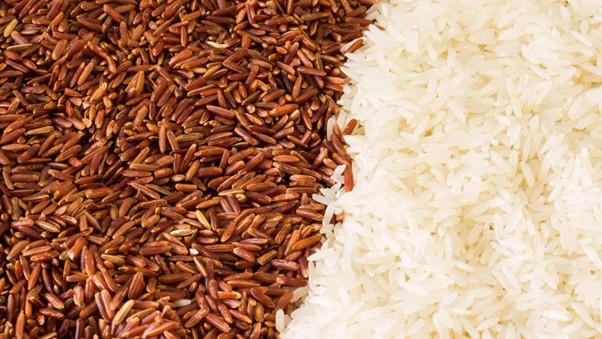
The difference in blood sugar reactions between two types of rice
According to nutritional data, brown rice is a rich source of fiber (about 3.2g/cooked cup) and protein (5.5g/cup). The process of digesting these two nutrients takes a long time, helping the stomach feel full longer. This leads to slow blood sugar reactions, meaning that post-eating blood sugar tends to increase more slowly in some people.
Conversely, white rice during milling has had its bran and germs removed, leading to a fiber content of only about 0.6g and protein 4.4g per cup cooked. This deficiency causes white rice to be digested very quickly, white rice has a higher GI and can cause post-eating blood sugar to rise faster, especially when eaten in large quantities or separately, which is detrimental to people with diabetes.
Comparison table: Nutritional value of white rice and brown rice
| Nutrition criteria | Refined White Rice | Whole grain brown rice |
|---|---|---|
| Fiber content | ~ 0.6 g (Very low) | ~ 3.2 g (Abundant) |
| Protein content | ~ 4.4 g | ~ 5.5 g |
| Sugar absorption rate | Fast to cause sudden hyperglycemia | Slow (Can help better control blood sugar after meals if used in the correct portion size) |
Benefits of brown rice for blood sugar levels
Nutrition experts from the medical website Healthline said that including brown rice in the diet, replacing white rice with whole grains like brown rice may be beneficial for blood sugar control. Moreover, maintaining the habit of eating whole grains like brown rice can contribute to reducing the risk of type 2 diabetes when in a healthy diet and lifestyle.
There are currently many variations on the market such as brown, red or black brown rice. In general, each type has different nutritional components, usually retaining more bran and sprouts than white rice, which may be a more suitable choice than refined white rice for people who need to control and lower blood sugar.
How to eat brown rice to help stabilize blood sugar
Although brown rice is richer in fiber than white rice, it is still a source of carbohydrates (a cooked bowl contains more than 50g of carbs). To limit increased blood sugar after eating, you need to pay attention to:
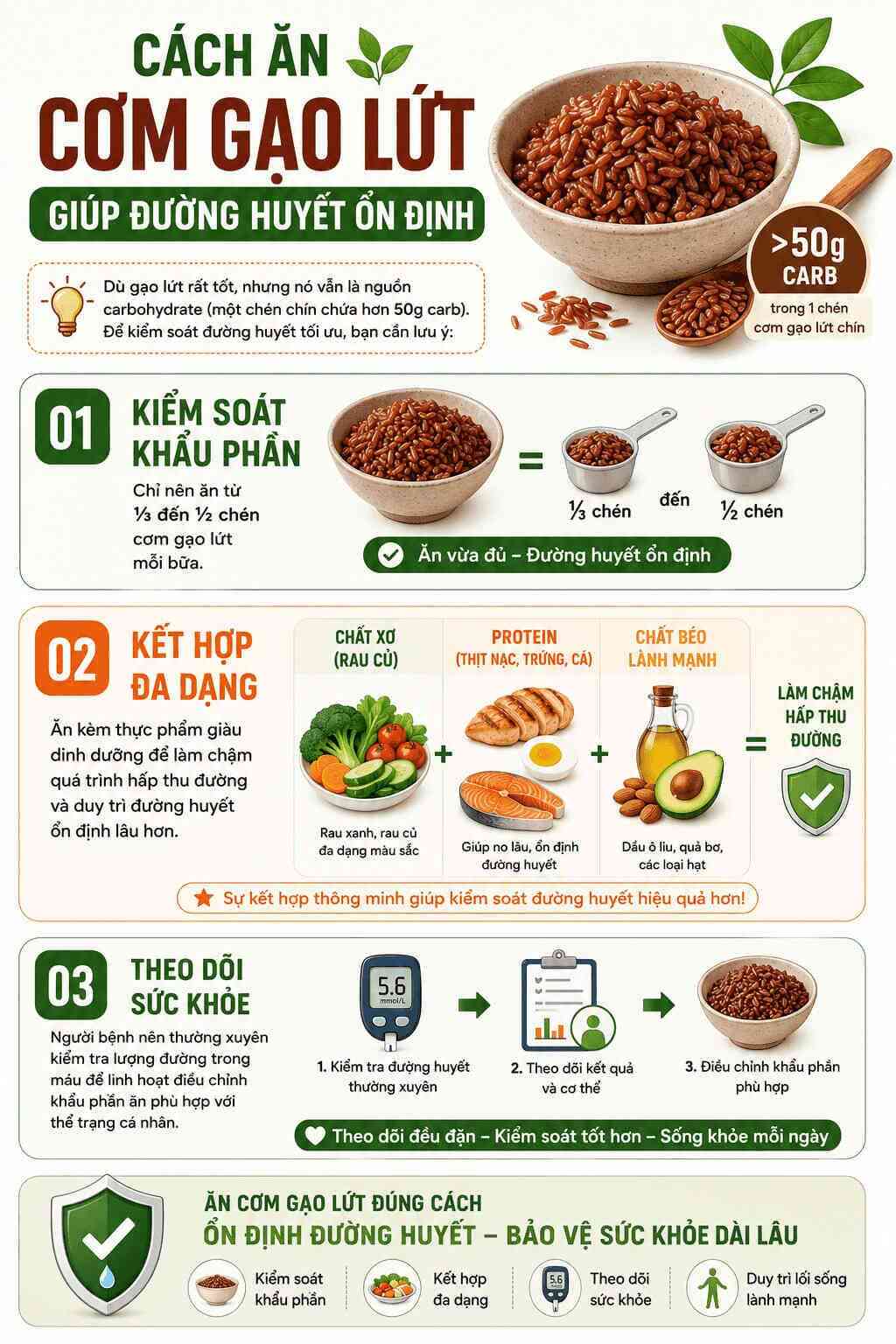
Control portion sizes: Many people can start with about 1⁄3-1⁄2 cup of cooked rice per meal, then adjust according to post-eating blood sugar and advice from a doctor/nutritionist.
Diverse combinations: It is necessary to eat with foods rich in fiber (vegetables), protein (lean meat, eggs, fish) and healthy fats (olive oil, avocado). This combination contributes to slowing down the sugar absorption process.
Health monitoring: Patients should regularly check their blood sugar levels to flexibly adjust their diet to suit their personal condition.
In general, brown rice may be a more suitable choice than white rice for some people who need to control blood sugar, thanks to its higher fiber content and lower blood sugar levels. However, brown rice still provides carbohydrates, so you should not eat it arbitrarily or consider it a food that has a blood sugar lowering effect. People with diabetes should monitor blood sugar after meals, control their diet and talk to a doctor or nutritionist to build a suitable diet.
The information in the article is for reference only, not for medical diagnosis or treatment. You should talk directly to your doctor for accurate and appropriate advice to your health condition.
Quick quiz on eating brown rice for people with diabetes
Should people with diabetes completely replace white rice with brown rice?
According to medical website WebMD, brown rice is often a more beneficial fiber option than white rice. The abundant amount of fiber helps slow down the sugar absorption process. However, patients still have to strictly control their diet (only about 1/3 to 1/2 cup per meal) because this is still a food containing carbohydrates.
Should brown, red or black brown rice be chosen to best support blood sugar reduction?
Nutrition experts from Healthline said that each type of brown rice bran bran possesses specific groups of antioxidants that are good for health. It can be used alternately to diversify the diet, but the effectiveness of blood sugar control still mainly depends on the total amount of carbohydrates and the entire meal.


