
Chicken is a familiar, nutritious and easy-to-process food. However, for people with high uric acid levels, eating chicken often comes with the worry of triggering gout attacks. Below are safety instructions to help you still take advantage of this nutrient source while limiting the increase in metabolic burden if used in appropriate amounts.
Nutritional value and weight control benefits
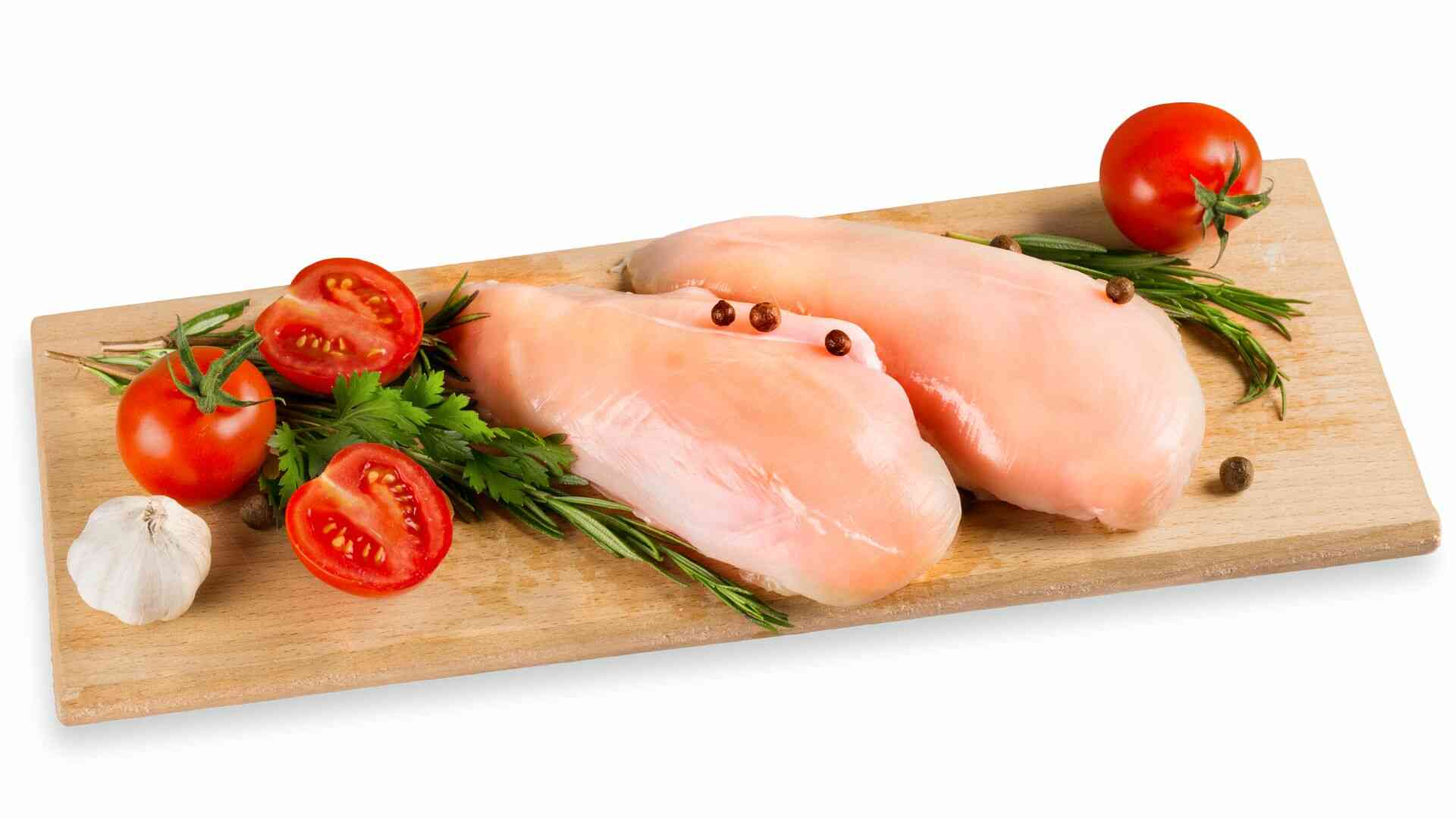
Compared to red meats, poultry meat (especially skinless chicken breast) is considered a good source of animal protein. Chicken meat is rich in essential nutrients but contains little sodium and saturated fat.
According to recommendations from the American Heart Association (AHA), replacing red meat with lean chicken portions can support maintaining a stable weight. For people with gout, good weight control is one of the key factors to help minimize the risk of increased uric acid in the blood and protect cardiovascular health.
Choose the right parts to support uric acid control
The level of safety when eating chicken depends greatly on the portion of meat you choose, because the purine content is not evenly distributed. The amount of purine (especially hypoxanthine) when dissolved will create uric acid.
Comparison table: Choosing a safe chicken portion for gout patients
| Classification | Specific parts | Characteristics (Purine / Nutritional Content) | Recommendations for people with gout |
|---|---|---|---|
| Priority department | Purine content is low to medium, abundant in protein. White meat is much safer than thighs or wings. | ||
| Parts to avoid | Regular use should be limited or avoided, especially in people who have had prolonged gout or high uric acid attacks. |
Parts to avoid: Chicken organs (such as liver, heart) and chicken skin contain very high levels of purines. Gout patients need to abstain from eating because chicken organs can contribute to increasing purine intake, which is detrimental to people who need to control uric acid.
Priority part: Chicken breast (with skin removed) is the most ideal choice. This white meat part is rich in protein but has a low to medium purine content, much safer than the thigh or wings.
Cooking tips to help reduce purine levels effectively
The way you cook can significantly change the amount of purines in food. To prevent the body from having excess uric acid, nutrition experts recommend:

Prioritize boiling and steaming: When boiling chicken, a large amount of purine will be dissolved in water. Boiling or steaming is a more suitable preparation than frying. When boiling, a part of purine can dissolve in water, so people who need to control uric acid should limit using a lot of boiled water, broth or thick broth.
Limit frying: Frying deep in oil or grilling at high temperatures not only retains the entire amount of purines but also adds trans fats, reducing the kidney's ability to purify uric acid.
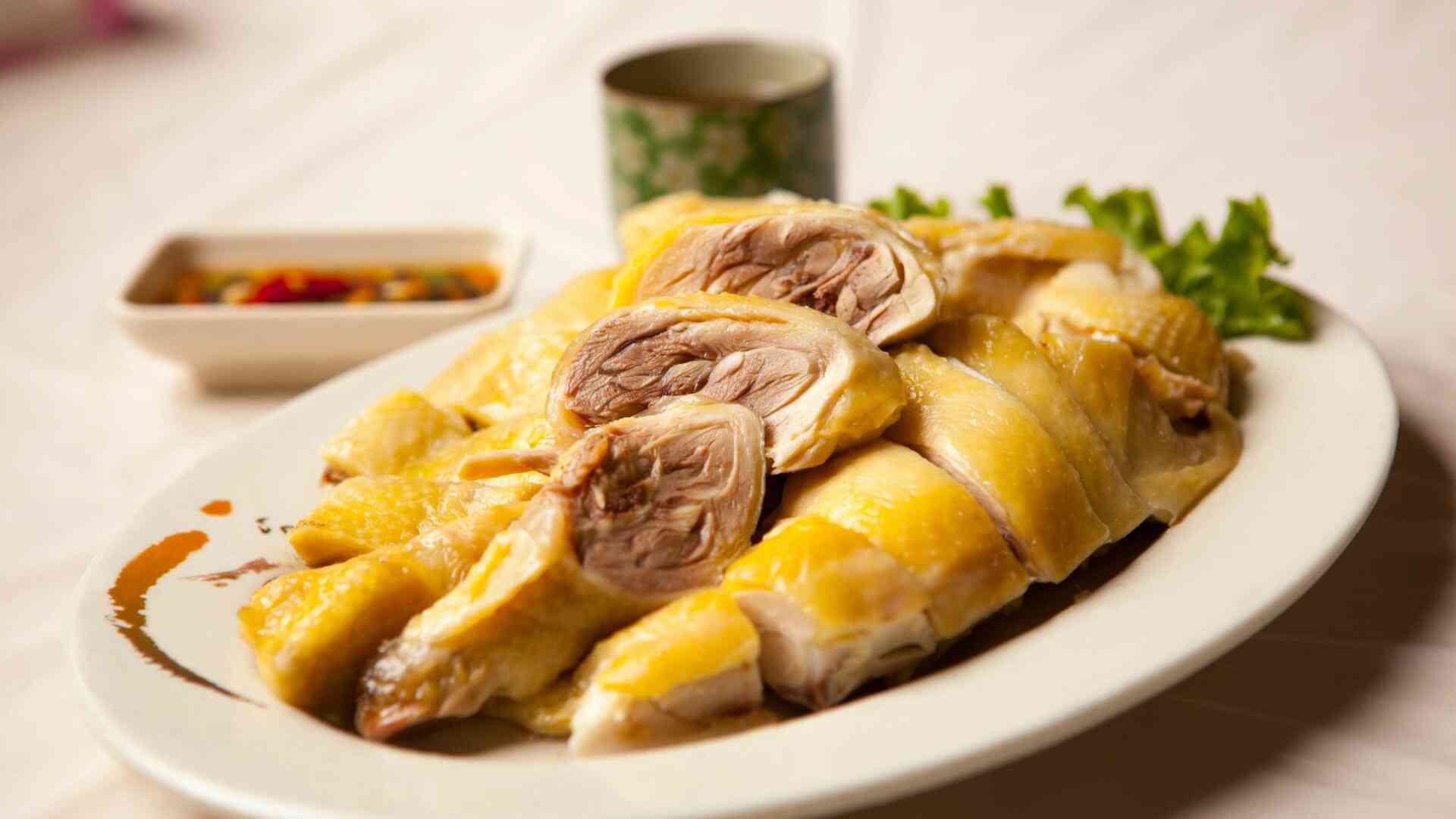
In general, people with high uric acid can completely include chicken in their menu if they know how to choose lean meat, remove skin and prioritize boiling and steaming. Combine with plenty of green vegetables and maintain a scientific lifestyle to protect overall health.
The information in the article is for reference only, not for medical diagnosis or treatment. You should talk directly to your doctor for accurate and appropriate advice to your health condition.
Quick quiz on chicken diet for people with high uric acid
What parts of the chicken should people with high uric acid eat and avoid?
According to recommendations from the American Heart Association (AHA), you should prioritize chicken breast (skin removed) because it is rich in protein and low in purines. Conversely, it is necessary to absolutely abstain from internal organs (liver, heart) and chicken skin to avoid the risk of spiking uric acid.
Why are I advised to boil chicken but not to drink broth?
Medical website WebMD explains that purine is a compound that is very easily soluble in water. When boiled, a large amount of purine from meat will be transferred to broth. Therefore, people who need to control uric acid should limit using a lot of boiled water, broth or thick broth.


