
Protein plays an important role in weight loss and physical training. This is a muscle-building component, contributing to maintaining basic metabolic rate and helping the body feel full longer. However, not all protein sources have the same effect. Consuming too much red meat for a long time can increase the risk of affecting kidney function.
Long-term consumption of red meat is associated with a higher risk of chronic kidney disease, while white meat and dairy products do not show a similar relationship. Plant-based proteins, such as beans, nuts and vegetables, may even be beneficial for kidney health.
When the body metabolizes protein-rich foods, especially red meat, some acidic metabolic products are produced and need to be filtered and excreted by the kidneys. If red meat is consumed too much for a long time, the metabolic burden on the kidneys may increase, thereby potentially affecting kidney function in people at risk.
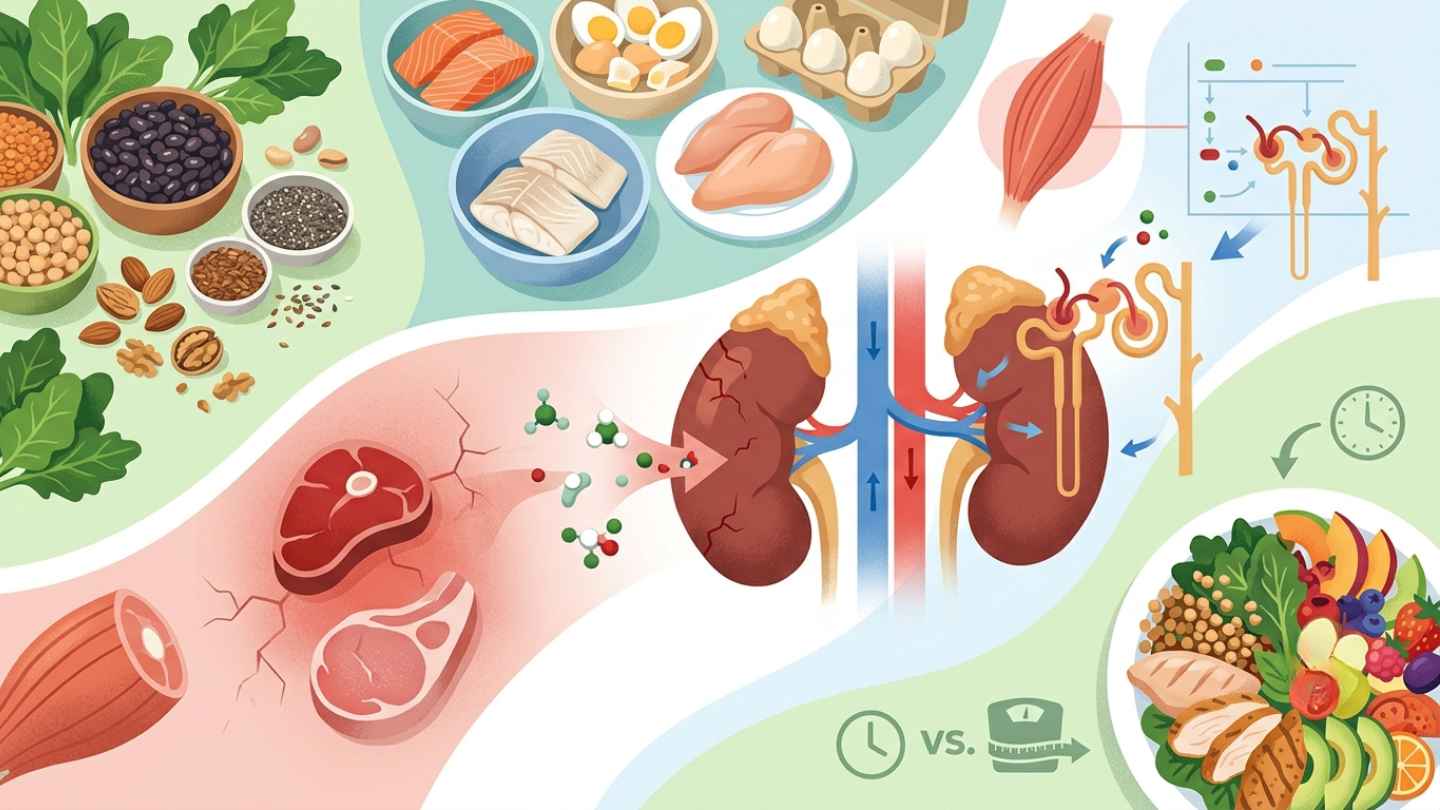
Regarding classification, red meat is not simply determined based on the color of the meat after processing but mainly based on animal sources. Beef and pork are classified as red meat, although pork can turn white when cooked. Meanwhile, chicken, duck, fish and seafood are often classified as white meat. Salmon is red but still belongs to the fish group, not classified as red meat according to this classification method.
In addition to meat, fish, milk and eggs, nuts, beans and lentils are also sources of protein. Diversifying protein sources, prioritizing plant sources and choosing suitable foods can help balance long-term nutritional needs and health.
For people who exercise to build muscle, the recommended protein amount is usually about 1-1.5g/kg of body weight per day, depending on the intensity of exercise and diet. For example, a person weighing 70 kg may need about 70-105 grams of protein per day.
If the goal is to lose fat, protein needs may be higher to support maintaining muscle mass during weight loss. Some diets may use a level of about 1.5-2 grams/kg of body weight per day. However, actual needs also depend on age, exercise level, total energy intake and health status. For people with kidney disease or at risk of kidney disease, do not arbitrarily increase the amount of protein but need to consult a doctor or nutritionist.


