Many inadequacies in grassroots healthcare
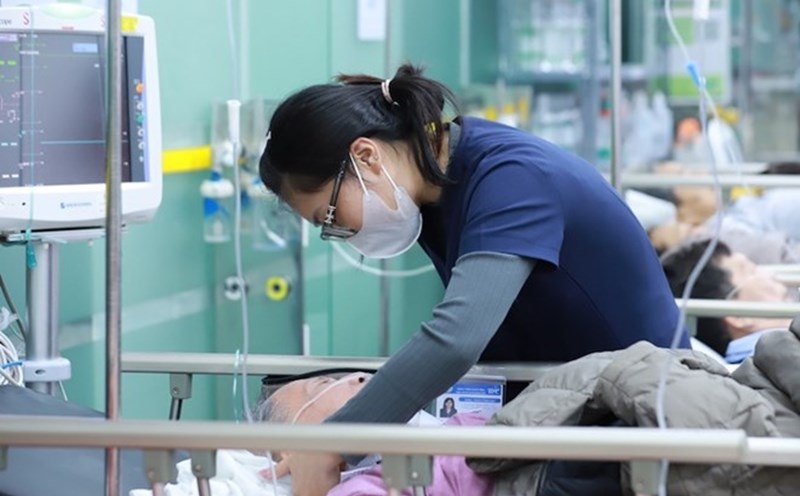
Reality at commune and ward health stations in Ca Mau shows a series of difficulties that have lasted for many years but have not been thoroughly resolved. The most noticeable is the situation of degraded facilities, lacking and unsynchronized equipment.
Most of the grassroots health facilities have been invested in for a long time and have not been upgraded or repaired in time. Many equipment is old and outdated, not meeting the requirements of medical examination and treatment. Some new equipment has been added but lacks connectivity, and cannot synchronously deploy specialized techniques, especially high techniques.
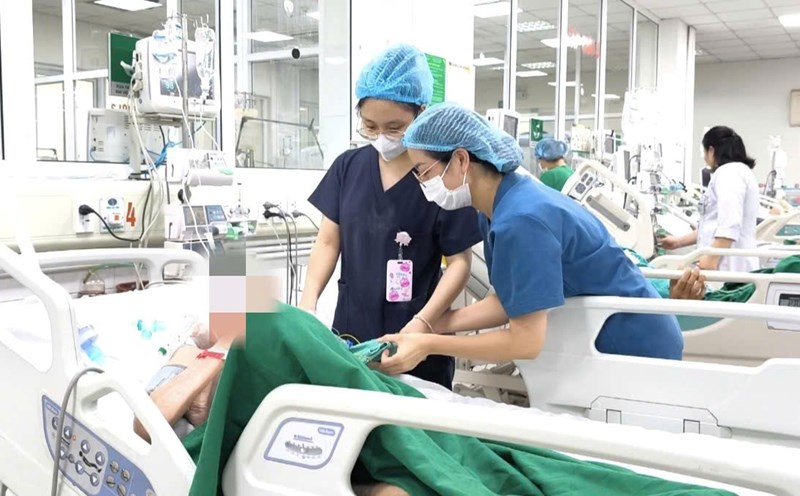
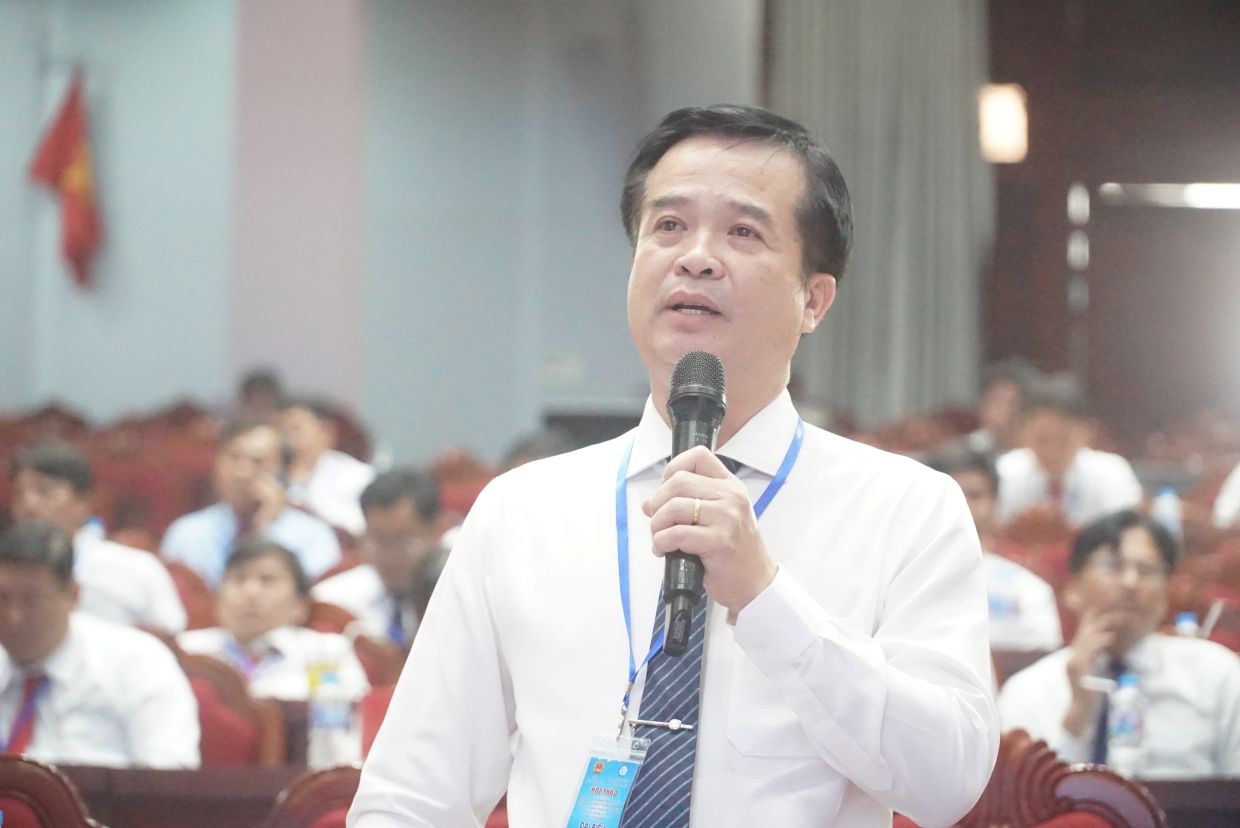
At the same time, medical personnel are the biggest "bottleneck". The entire provincial health sector is still short of 204 doctors, 53 university pharmacists and more than 1,500 nurses. At the commune level, the shortage situation is even more serious when many stations do not ensure enough doctors as prescribed. That is the reality raised at the conference on key solutions to improve the quality of people's health care in Ca Mau province to 2030 co-organized by the Ca Mau Provincial People's Committee and Ho Chi Minh City University of Medicine and Pharmacy on April 3.

According to Assoc. Prof. Dr. Ngo Quoc Dat - Rector of Ho Chi Minh City University of Medicine and Pharmacy, Ca Mau province currently has 253 doctors out of a total of 1,268 staff at 64 commune health stations.
Not only is there a shortage of people, but grassroots health workers also face high work pressure but low incomes, and disproportionate remuneration. This is the reason why a part of the population reduces motivation to work, and even develops a non-standard attitude in serving patients.
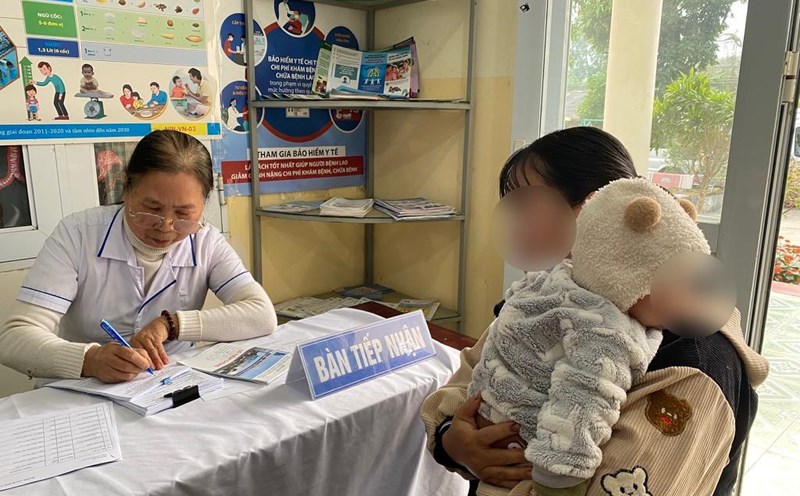
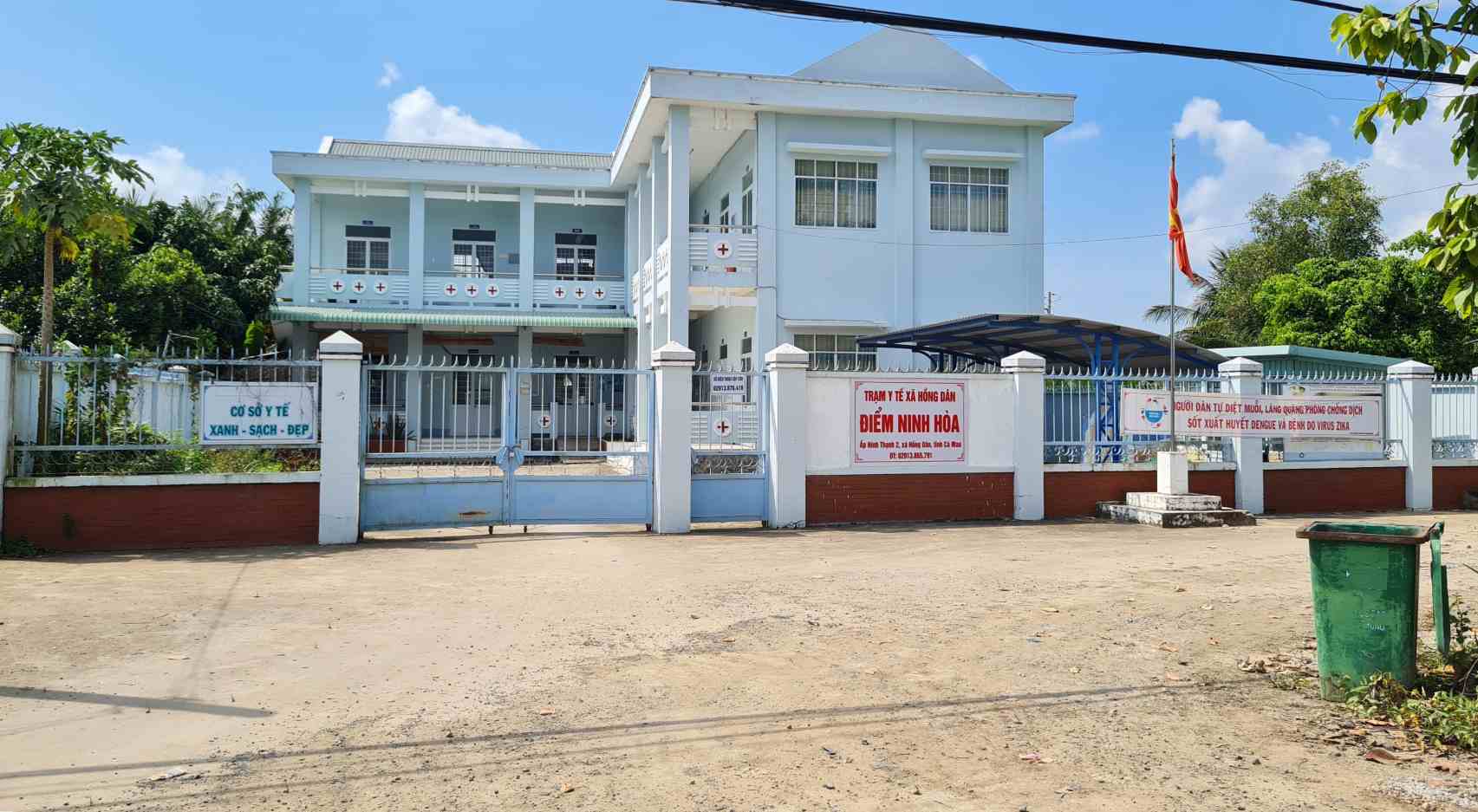
A noteworthy reality is that many health stations fall into a scene of few people coming for examination. According to Assoc. Prof. Dr. Tang Chi Thuong - Director of Ho Chi Minh City Department of Health, this is not too unusual in the current context, when health stations not only perform the task of medical examination and treatment but also take on primary health care. However, when service quality does not meet expectations, people tend to go beyond the tuyến to the hospital.
In addition, medical data is still scattered, lacking a common platform; information technology infrastructure is not synchronized; technical transfer from upper to lower levels is still limited. Many techniques have been approved but have not been implemented, especially in specialized departments.
From a management perspective, some units still have administrative thinking and lack innovation. The service spirit of a small part of staff is not good, leading to feedback from patients and their families.
Setting a goal to improve the quality of grassroots healthcare
Faced with the above limitations, Ca Mau is implementing many solutions to improve the quality of people's health care, focusing on consolidating the grassroots health system.
Mr. Nguyen Minh Luan - Vice Chairman of Ca Mau Provincial People's Committee - said that the province identifies taking care of and protecting people's health as the top priority task, the foundation for sustainable development. The project to improve the quality of people's healthcare by 2030 is built to create a breakthrough for the health sector.
Ca Mau strives to have 100% of commune health stations invested in facilities and basic equipment by 2030, meeting the conditions to deploy paraclinical services and periodic health check-ups and screenings for people at least once a year. Each station will have 4-5 doctors working.
The province also sets a target of over 95% of the population being managed health; over 90% of medical examination and treatment facilities achieving quality from 3.5 or higher; the rate of people receiving health insurance medical examination and treatment at health stations increases by over 20%.
One of the important solutions is to promote digital transformation in healthcare. The "near home healthcare" application model is proposed to help people easily access services, while supporting synchronous health data management.
Regarding human resources, experts believe that there should be strong enough policies to attract and retain the grassroots healthcare team. Prof. Dr. Nguyen Trung Kien - Rector of Can Tho University of Medicine and Pharmacy - proposed building a suitable remuneration mechanism, and at the same time promoting the rotation of officials from the provincial and regional levels to support the commune level.
In addition, the construction of a shared digital health center for the Mekong Delta region is also considered a long-term direction to share resources, improve training and management quality.
The province also encourages leading doctors and experts to participate in professional support and remote consultations; and at the same time improve the financial mechanism in the direction of accurately and fully calculating medical service prices to ensure resources for the system to operate effectively.