
When it comes to health check-ups before age 50, many people are often concerned about cardiovascular health, blood sugar or cholesterol, while bone health is less concerned. However, experts warn that the process of bone loss does not occur suddenly in old age but can start much earlier, even from the late 30s, silently weakening the bone system if not detected in time.
According to Dr. Debasish Chanda, Director of Orthopedics Department of CK Birla Hospital (Gurugram, India), checking bone density before age 50 plays an important role in preventing osteoporosis and fractures later.
Early detection of potential osteoporosis
One of the biggest benefits of measuring bone density early is the ability to detect bone density reduction even when symptoms do not appear. Many people mistakenly believe that no pain or no bone fracture is synonymous with healthy bones. In fact, osteoporosis and pre-osteoporose can progress silently for many years. Early detection helps to intervene promptly with lifestyle changes or appropriate medical treatment, especially important for women in pre-menopause.
Identifying the negative impacts of modern lifestyle
Lack of exercise, lack of sunlight, smoking, drinking alcohol, prolonged dieting and lack of calcium or vitamin D are all factors that weaken bones. Bone density tests help assess the level of impact of these habits before the risk of bone fracture actually occurs, thereby adjusting lifestyle more effectively.
Some diseases increase the risk of bone loss
People with thyroid disorders, digestive diseases that affect nutrient absorption, or who have to use corticosteroids for a long time are at higher risk of bone density reduction than healthy people. Early bone density checks help doctors monitor bone health progress and develop appropriate prevention plans for this risk group.
Assessing the risk of future fractures
Bone mineral density tests not only reflect current strength but also help predict the risk of fractures. This is especially important for people with a family history of osteoporosis or early fractures. When the risk is known in advance, patients can proactively adjust their exercise regimen, nutrition and treatment if necessary.
Proactively protect long-term mobility
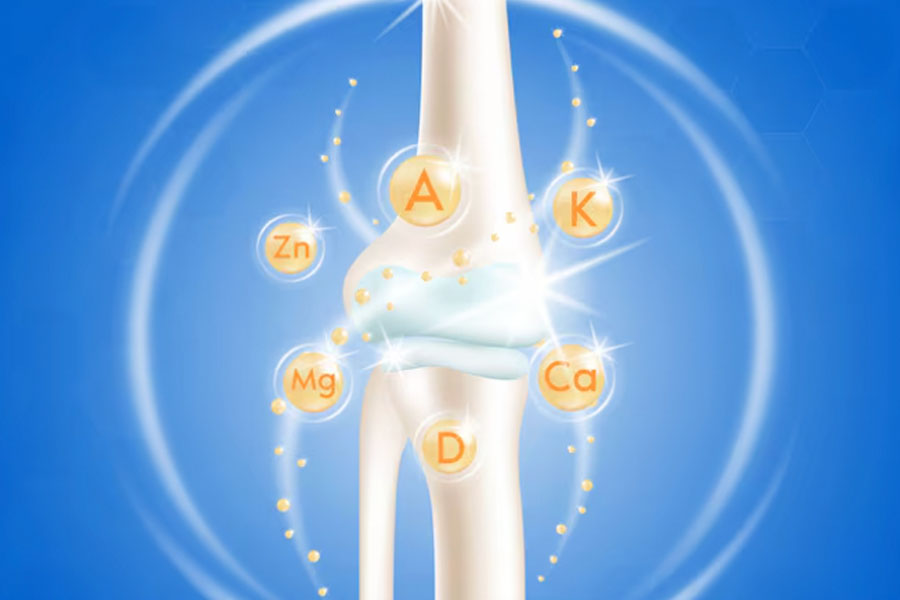
Understanding bone conditions helps each person be more proactive in taking care of their health. From supplementing calcium, protein, vitamin D, strengthening endurance exercises to choosing a healthy lifestyle, all contribute to maintaining a strong bone system.
According to Dr. Chanda, checking bone density before age 50 is a long-term investment in mobility and independence in old age.


