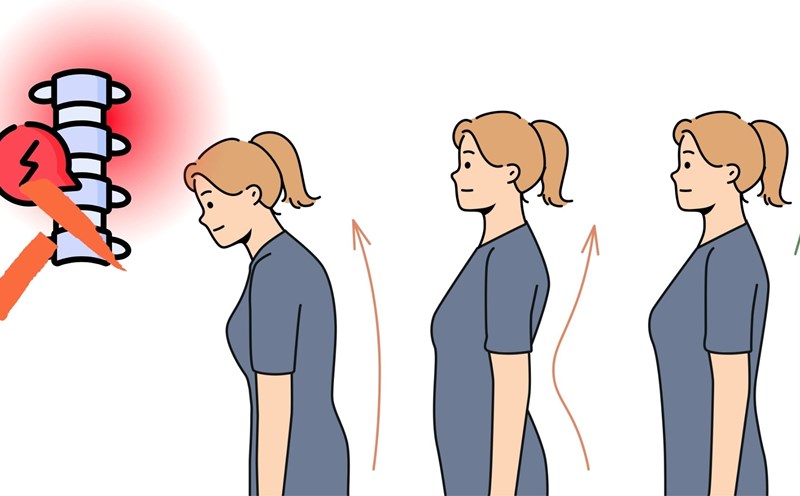
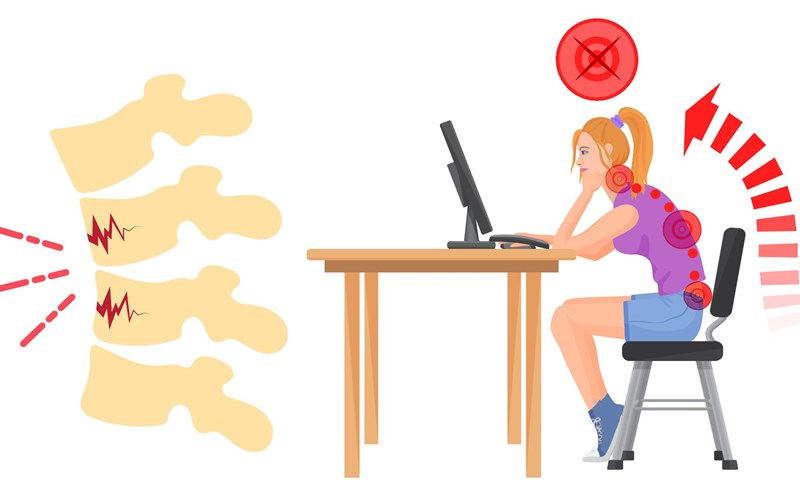
According to Dr. Umesh Srikantha, Director of Neurological Surgery & Head of Spinal Surgery, Fortis Hospital, Bannerghatta Road, Bengaluru (India), a good night's sleep helps the body relax, recover and regenerate. However, many people wake up with a stiff neck, lower back pain or a prolonged feeling of discomfort. According to experts, the cause is often inappropriate sleeping posture, affecting bone structure, discs and spinal nerves.
Best sleeping position for the spine
Eastward sleep: This pose helps keep your spine, neck, and head naturally straight, distributes weight evenly, and reduces pressure on sensitive points. You can add a pillow under your knees to support your lower back and maintain your body's natural curves.
Sleeps On your side: Sline, especially the placenta, helps reduce stress on the lower back and keep the spine straight. You can place a pillow between your knees to support your pelvis and reduce back pressure. Kneel should be high enough to keep your neck straight, avoid bending or doing too much reversal.
Sleeping positions can harm the spine
Lying on your stomach: This pose can cause your neck to lean to one side, putting pressure on your cervical spine and lower back. The mid- body sinks into the mattress, also increasing the curvature of the lumbar spine. If you can't avoid poor sleep, you should put a thin pillow under your hips and use a thin pillow or a pillow without pillows to reduce pressure.
torsion, half-heeled, half- tilted: This is an asymmetrical position that causes the spine to curve for a long time, causing muscle tension, stimulating nerves and possibly worsening existing back problems. Avoid holding this position for long while sleeping to protect spinal health.
The role of the mattress and pillow
Dr. Umesh Srikantha says that even a good sleeping position will be ineffective if the mattress or pillow does not support the spine. Mattresses that are too soft or too stiff can cause uneven pressure points. moderate mattresses, keeping your spine neutral are ideal. Knead in position with a natural space between the head and mattress, helping the neck line up with the spine.
Note
Sleeping position directly affects spinal health. Simple adjustments such as knee braces, leg raises, or avoiding sluggishness can help keep your back healthy, reduce pain, and improve sleep quality.