
The liver is the central metabolic organ of the body, performing many important functions such as detoxification, nutrient metabolism, energy storage and protein synthesis. When the liver is overloaded or damaged for a long time, many physiological processes will be affected, increasing the risk of chronic diseases.
Lifestyle factors such as staying up late, prolonged stress, drinking alcohol, high-fat diet... can all be harmful to the liver. In which, nutritional adjustment is a factor that can be intervened early and bring high efficiency.
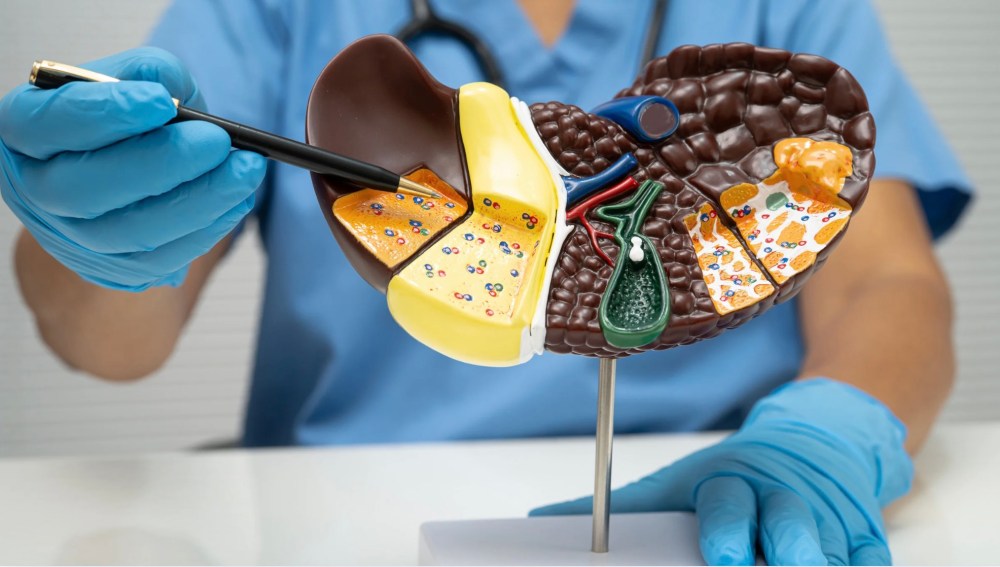
Why are green vegetables the key to support liver detoxification?
Many modern nutrition studies show that a diet rich in green vegetables helps reduce inflammation, improve lipid metabolism and support liver function. Green vegetables provide a large amount of fiber, vitamins A, C, K, folate and antioxidant compounds. These nutrients contribute to reducing oxidative stress - a factor directly related to liver damage.
More interestingly, traditional Eastern medicine also believes that green is closely related to "can" (liver). Although the interpretation is different from modern medicine, increasing green vegetables in the diet is completely consistent with current nutritional recommendations to protect health.
4 green vegetables that support liver detoxification and protect liver cells
Below are 4 popular, easily accessible green vegetables that bring high nutritional value and can support liver detoxification when used properly:
Comparison table: 4 "golden" green vegetables for liver health
| Green vegetable | Outstanding components | Hepatic protection effect | Notes on processing / Use |
|---|---|---|---|
| Glucosinolate, Vitamin C, K, Folate, fiber. | Supports detoxification through metabolic enzymes, reduces fat accumulation, and reduces the burden on the liver. | Boil, cook soup, stir-fry lightly. Should cook until cooked to retain vitamins. | |
| Water, Vitamins A, C, Beta-carotene (antioxidants). | Protectliver cells from free radicals (factors that cause hepatitis and fatty liver). | Eat raw, mix salad, stir-fry quickly. Avoid cooking for too long. | |
| Lutein, Iron, Folate, Vitamin K, Fiber. | Reduces the risk of non-alcoholic fatty liver, reduces inflammation, and controls blood lipids. | ||
| Water, potassium, flavonoids, fiber. | Stabilize blood pressure and metabolism, reduceliver damage due to metabolic disorders. |
Fenugreek: Rich in fiber, supports metabolism
Water spinach is a cruciferous vegetable, containing a lot of vitamin C, vitamin K, folate and fiber. In particular, the cruciferous group also contains glucosinolate - a compound that can effectively support the liver detoxification process through metabolic enzymes. Regularly supplementing water spinach helps improve the digestive system, reduce fat accumulation in the body, thereby indirectly reducing the burden on the liver.
Suggested use: Water spinach can be processed into many dishes such as boiled, soup, light stir-fried or cake filling. You should cook it just right to conserve the maximum amount of vitamins and minerals.
Lettuce: Cooling, antioxidant, protecting the liver
Lettuce contains a lot of water, vitamin A, vitamin C and antioxidant compounds such as beta-carotene. These substances play a role in protecting cells from damage caused by free radicals - factors related to hepatitis and fatty liver. In addition, the fiber content in lettuce supports the digestive system to function more effectively, contributing to reducing metabolic pressure.
Use suggestions: Lettuce should be eaten raw or lightly processed such as salad dressing, served with or stir-fried quickly. Avoid cooking for too long because high temperatures easily lose vitamins.
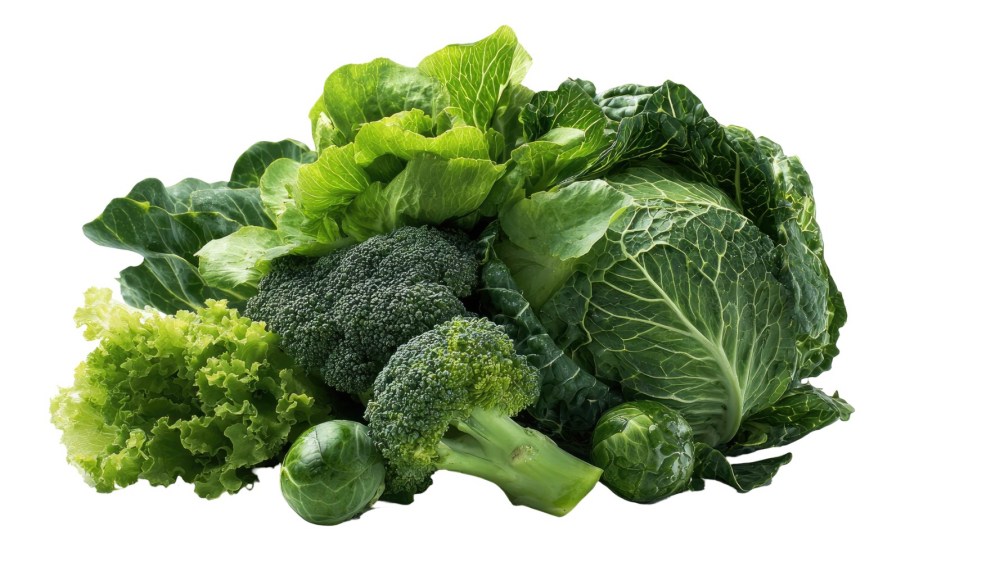
Spinach: Supports reducing fat accumulation in the liver
Spinach is a rich source of iron, folate, vitamin K and antioxidants such as lutein. Some studies have shown that consuming spinach may be associated with reducing the risk of non-alcoholic fatty liver. Antioxidants in spinach help reduce inflammation, while fiber supports controlling blood sugar and blood lipids – factors closely related to liver health.
Suggested use: Can be used to cook soup, stir-fry, make smoothies or process into cakes. Note that you should blanch briefly before processing to reduce the oxalate content.
Control blood pressure, stabilize metabolism
Celery contains a lot of water, fiber, potassium and plant compounds such as flavonoids. These ingredients have the effect of supporting anti-inflammatory, improving circulation and contributing to stabilizing blood pressure. Good blood pressure and metabolism control helps reduce the risk of liver damage due to metabolic disorders, especially effective in overweight or people with metabolic syndrome.
Use suggestion: Celery can be used for stir-frying, cooking soup, or juice. However, you should not drink too much celery juice, especially in people with kidney problems or taking diuretics.
Important notes when using green vegetables to detoxify the liver
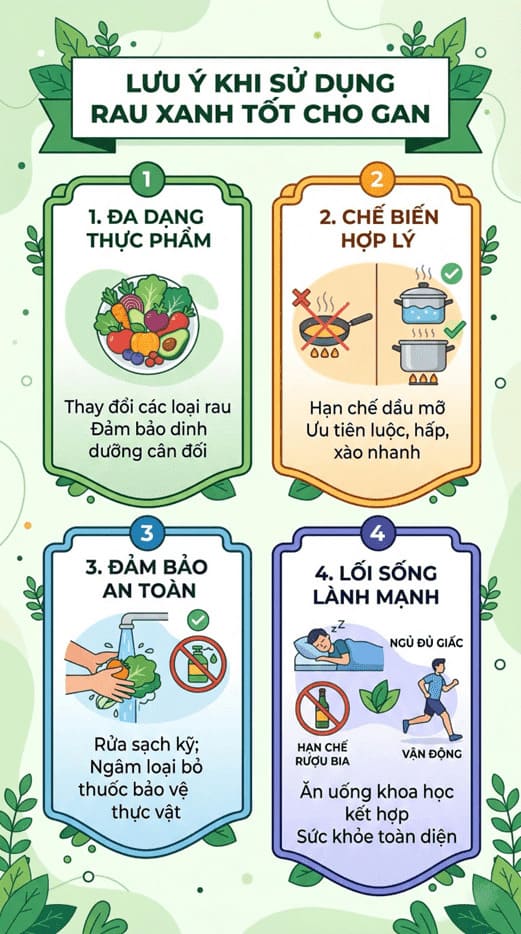
Although green vegetables are good for health, their use needs to be followed correctly to achieve optimal results:
Diversifying food: You should not only focus on a few types of vegetables, you need to change continuously to ensure nutritional balance.
Reasonable processing: Limit frying with a lot of grease; prioritize quick boiling, steaming, and stir-frying methods.
Ensure food safety: Wash thoroughly, soak thoroughly to remove pesticide residues before use.
Combine a healthy lifestyle: Scientific eating needs to be accompanied by getting enough sleep, minimizing alcohol and maintaining exercise.
In addition, experts note that no food can "detoxify the liver" in absolute terms. The liver is inherently an organ that performs its own detoxification function, and a scientific diet only plays a supporting role, creating the best conditions for the liver to function.
Quick Q&A about the effects of green vegetables on liver detoxification
Can I squeeze celery juice instead of filtered water to detoxify the liver?
Not recommended. Celery juice should not be drunk too much, especially contraindicated for people with kidney problems or using diuretics.
Are there any foods that help "detoxify the liver" absolutely?
No. No food detoxifies the liver in an absolute sense. The liver is the organ that performs its own detoxification function, eating green vegetables and maintaining a healthy lifestyle only plays a supporting role in this process.
How to eat green vegetables that are good for the liver properly?
Need to diversify vegetables, limit frying with a lot of grease (prioritizing boiling, steaming), soak and wash away pesticide residues and combine a scientific lifestyle (limit alcohol and beer, get enough sleep).


