
The Wall Street Journal (WSJ) reported that President Donald Trump's administration is said to be considering a ground campaign to seize about 400kg of Iranian enriched uranium - a material assessed to be close to the threshold of nuclear weapons manufacturing.
According to sources, Mr. Trump has repeatedly emphasized that Tehran "cannot be allowed to keep" this amount of uranium, and left open the possibility of using force to confiscate it if Iran does not agree to hand it over at the negotiating table.
Mr. Trump even warned Iran to "do as the US asks, otherwise it will no longer be a nation", and declared Washington would force Tehran to hand over "nuclear dust".
Before the airstrikes by the US and Israel last year, Iran was believed to possess more than 400kg of 60% enriched uranium and nearly 200kg of 20% fissile material - which could quickly be upgraded to weapons level.
Although Mr. Trump once declared that the bombings had "erased" Iran's nuclear program, new assessments from the International Atomic Energy Agency (IAEA) show that most of the material remains, mainly hidden at underground facilities in Isfahan and Natanz.
This makes the "raid and seizure" option a considered option, instead of just remote destruction.
According to the scenario being discussed, US forces may deploy a limited operation, lasting from a few days to a week, to control the area, search for and transport uranium out of Iran.
But in reality, this is an extremely complex task.
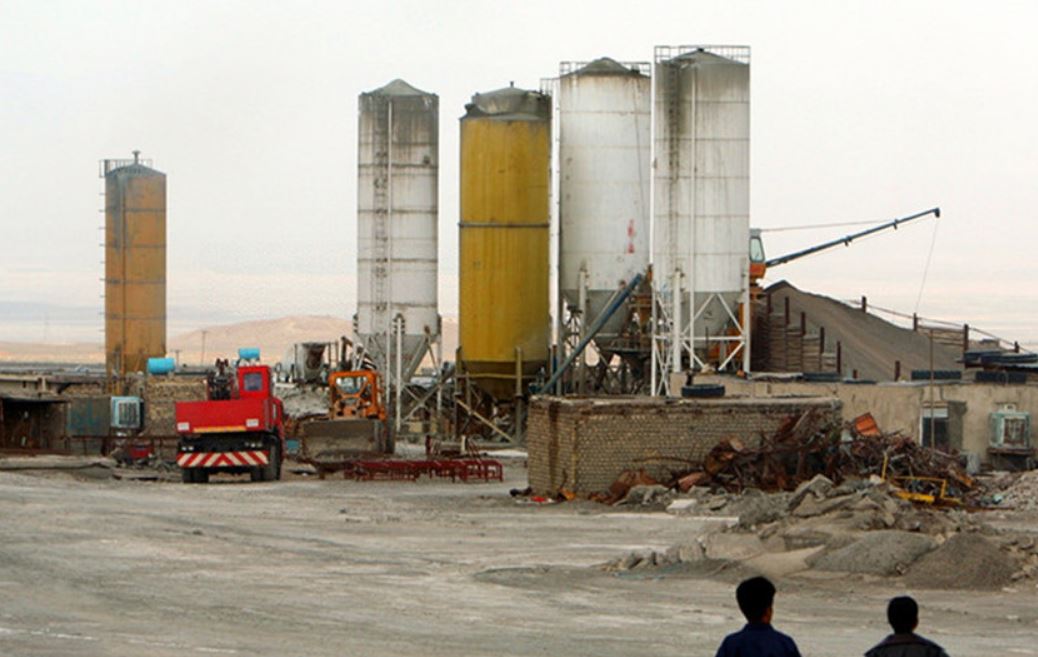
To approach the target, the US military may have to send thousands of soldiers into Iranian territory - where they will face dense air defense systems, surface-to-air missiles and UAVs. After capturing the area, the engineering force must clear bombs and mines, clear the rubble before approaching the storage facilities.
Experts say uranium is likely stored in 40-50 special containers, requiring specialized equipment for safe transportation. The entire amount of this material may require multiple trucks and a runway to be taken out of Iran.
If there is no available airport, the US may even have to build a temporary runway right in the war zone.
Experts warn that any attempt to "seize uranium" by force could trigger a fierce military response from Tehran, prolonging the conflict far beyond the 4-6 weeks target that the White House had previously calculated.
Besides military risks, this plan also causes divisions within Washington. Some officials, including National Intelligence Director Tulsi Gabbard, are said to have a softer approach than Mr. Trump's tough stance.
Meanwhile, Vice President JD Vance and many Republican senators are concerned about the economic and political costs of a prolonged war, especially as the US is entering an important election season.
Although intermediary channels such as Pakistan, Egypt and Turkey are promoting indirect negotiations, Washington and Tehran have not yet sat down for direct dialogue.
In that context, Mr. Trump's "uranium raid" plan emerged as a bold but also risky move. If successful, it could paralyze Iran's nuclear ambitions. But if failed, the price to pay could be an expanded Middle East war beyond control.


