
On December 3, the European Union (EU) finalized a plan to stop all Russian gas by 2027, despite warnings from many member states that the decision could trigger a storm of gas prices across Europe.
The decision in the midst of the approaching winter has many member countries worried about the new energy price increase spiral, threatening both production and daily life of more than 450 million EU people.
According to a joint statement released on December 3, the EU will terminate all short-term contracts within 6 months, and stop all supplies of Russian gas via pipelines and LNG by the end of 2027.
A ban on signing new gas transit agreements with Russia will take effect from January 1, 2026, except for existing contracts. The final long-term contracts will have to end before September 30, 2027, and will only be extended for a short time if the EU's mandatory reserves are short.
An urgent suspension has also been set in, allowing the EU to postpone plans if an unexpected event appears that directly threatens the blocs energy security.
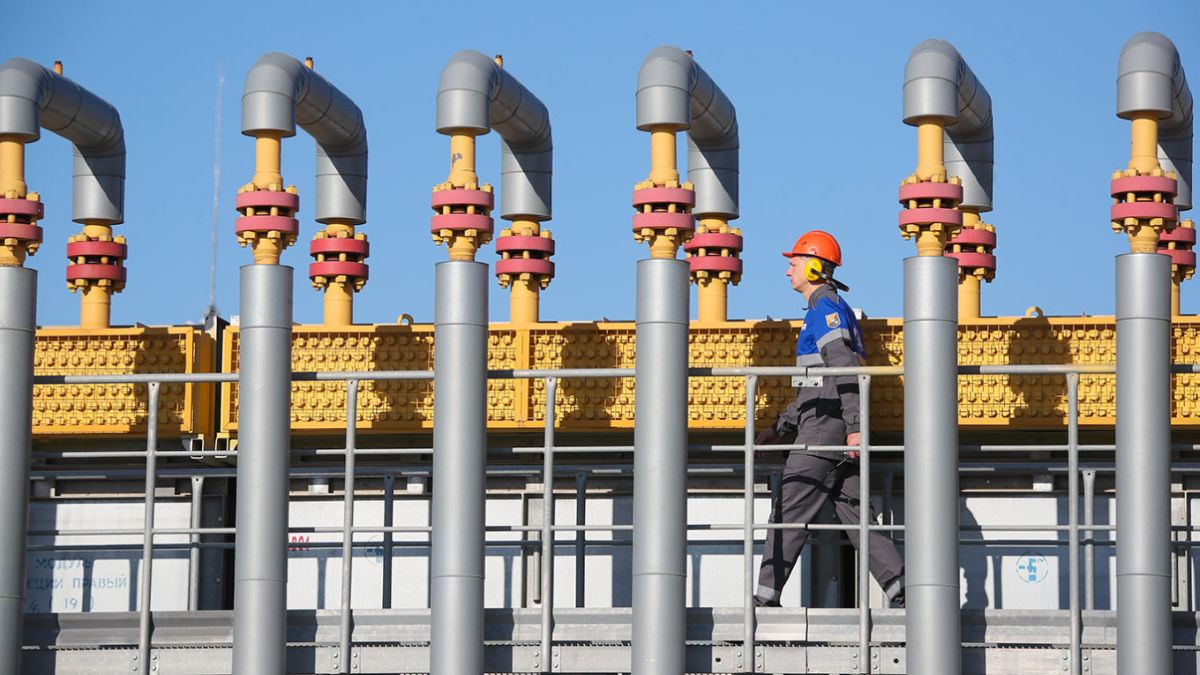
The EU declared it a "good day" for Europe. European Commission President Ursula von der Leyen called this a turning point to help the EU become autonomous from Russian fossil fuels, affirming that this decision would make Europe more resilient.
However, many member countries immediately objected, especially Hungary and Slovakia, which are heavily dependent on Russian gas and do not have access to seaports to import LNG from other markets.
Hungarian Foreign Minister Peter Szijjarto said Budapest cannot accept it, cannot implement it and will sue the EU in court. He stressed that cutting off Russian gas would increase prices, pose great risks to supply and be unfeasible given Hungary's geographical characteristics.
Slovakia has also warned that such ill-considered decisions could plunge the entire Central European industry into a serious energy shortage.
The Kremlin reacted immediately. Spokesperson Dmitry Peskov said that the EU is putting itself in a position of dependence on significantly more expensive gas sources, meaning that energy costs will continue to escalate.
He warned that this could undermine the competitiveness of EU economies and accelerate the bloc's economic downturn.
Since the EU began to gradually reduce Russian oil and gas imports from 2022, the region has seen a wave of energy price increases, causing industrial production costs to increase, many factories have to cut production. The EU also has to spend tens of billions of dollars to import LNG from the US, Qatar and other supplies.
Experts warn that the ban on Russian gas - if implemented in the context of limited global supply - could trigger a new price storm. Non-chingchingching countries will be hit hardest by a lack of LNG infrastructure, while major consumers such as Germany and Italy are at risk of facing many times higher import costs than before 2022.


