
The Strait of Hormuz - a strategic shipping route transporting about 20% of global oil and gas - has been almost paralyzed for weeks, pushing the energy market into a state of serious instability.
In this tense confrontation, Iran is emerging with a significant advantage, thanks to the combination of geography and asymmetric combat tactics.
Bottleneck" has no way out
At the narrowest point, the Strait of Hormuz is only about 39km wide, with actual shipping routes much narrower. This turns the area into a true "bottleneck": ships are forced to pass through fixed channels, with almost no way to avoid them.
In such a limited space, Iran does not need to actively seek targets. They just need to wait. Any ship passing by is at risk of falling into a "damage zone", where the warning time before an attack can only be counted in seconds.
Terrain advantage: 1,600km of dangerous coastline
Iran owns nearly 1,600km of coastline along the Persian Gulf, stretching with complex terrain including mountains, valleys and offshore islands. This is an ideal condition for deploying and concealing mobile anti-ship missile systems.
Unlike open waters where warships can flexibly change direction, the Strait of Hormuz forces all activities to take place in a cramped space - putting the defense systems of the US and its allies at a clear disadvantage.
Cheap, highly effective weapons
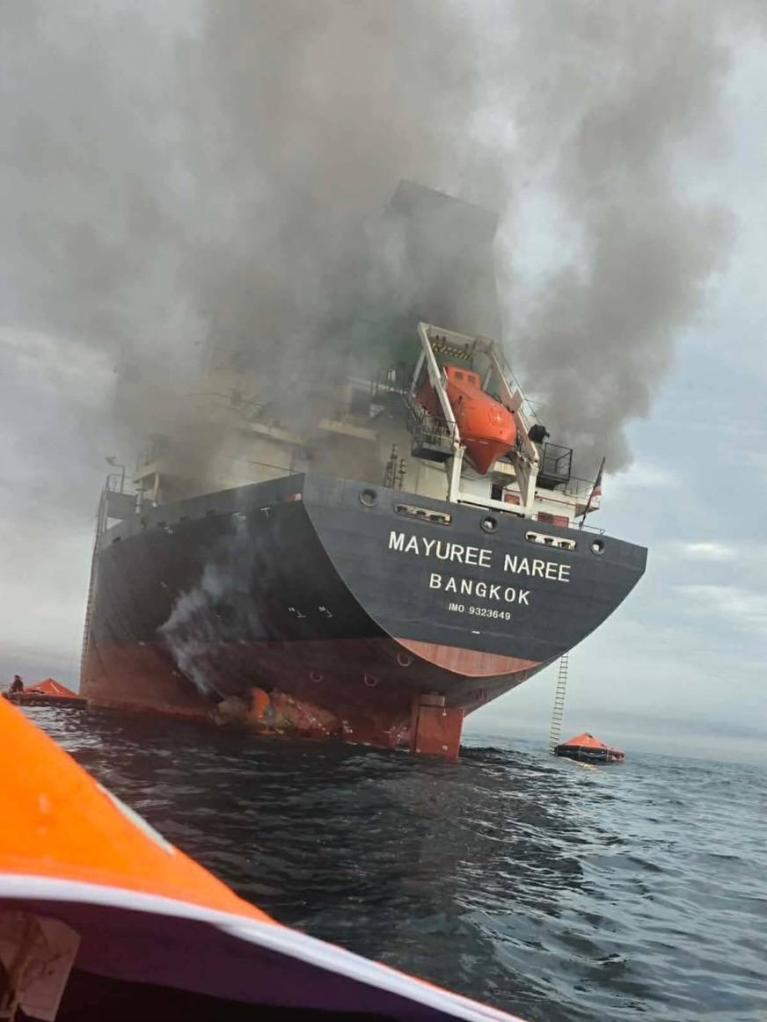
Besides geography, Iran also takes advantage of asymmetric tactics - using cheap but effective means such as UAVs (unmanned aerial vehicles), armed high-speed trains, naval mines and even unmanned boats containing explosives.
Experts believe that although the US has weakened part of Iran's traditional naval capabilities, these "cheap" weapons are still a major threat. They are difficult to detect, easy to deploy and can cause significant damage to commercial ships.
More worryingly, the deployment of naval mines can be carried out by small civilian ships, making control complicated. In addition, Iran can still use small submarines operating in shallow waters - a significant challenge for anti-submarine forces.
Toll collection amidst crisis
On March 30, the Iranian Parliament officially passed a law to collect transit fees for commercial ships through the Strait of Hormuz. The law affirms Tehran's "sovereignty, control and supervision" over this route, creating new revenue for the national budget.
Some previous reports showed that oil tankers had to pay a large fee, possibly up to 2 million USD, to "safely pass through" Hormuz.
Difficult problem for the US and allies
To protect commercial ships, experts believe that it is necessary to deploy a multi-layered defense system, from satellites, patrol aircraft, surveillance UAVs to routes that have been cleared of mines. However, even with this approach, risks cannot be completely eliminated.
In that context, Britain, France and other allies are coordinating to build plans to protect the maritime route. But with geographical advantages and flexible tactics, Iran is still holding the "top spot" at one of the most important bottlenecks of the global economy.


