
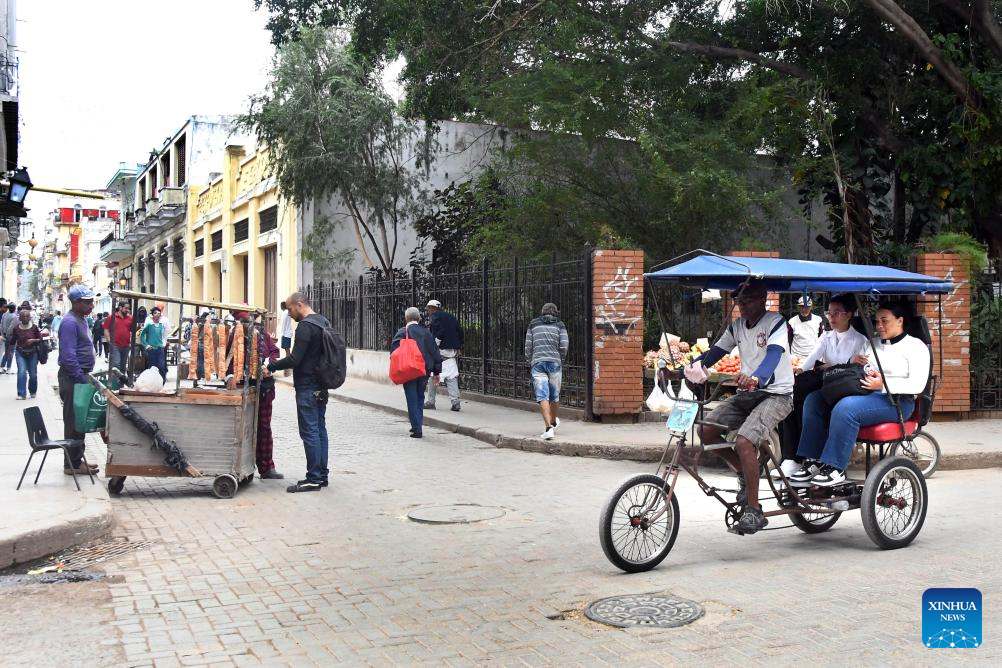
On the sunny streets of Havana, an image that seemed to have receded into memory is returning: Old bicycles rolling densely in the crowd. Not because of the green living movement, but because of the increasingly scarce fuel as oil supplies to Cuba are tightened.
For many years, Venezuela has been a key supplier of crude oil and fuel to Cuba. But after the US controlled Caracas' oil exports and arrested President Nicolas Maduro in January, the flow of energy to the Caribbean island nation was almost paralyzed.
Oil tankers from Mexico - which are an important source of supply - also stopped after Washington threatened to impose tariffs on countries supplying oil to Havana.
As a result, in Havana, people began to rummage through old bicycles stored in warehouses, oil chains, and even learn to cycle for the first time in their lives.
Gabriela Barbon, 23, is one of them. Car travel costs tripled, prompting her to participate in a cycling class organized by the local organization Citykleta in the park.
Cycling is no longer a hobby, but a must" - she said. The "Learn to Pedal" campaign was initially expected to attract about 100 people, but in reality the number of registrations was nearly 4 times higher.
Not only beginners, many residents who had left bicycles are now returning. Yoandris Herrera once kept his bicycle bought in China under his bed for nearly 1 year to switch to riding a motorbike. But when fuel prices skyrocketed, he disassembled the bike, assembled it and used it to go to work and take his children to school. "With the current gasoline price, riding a bicycle is much more practical," he said.
The bicycle craze also led to a wave of work for car mechanics. On a sidewalk in Havana, Pedro Carrillo meticulously adjusted each wheel spoke between tires hanging against the wall. However, this explosion created a new shortage: Spare parts are increasingly difficult to find. "There are things I can't find anywhere" - he admitted.
Besides bicycles, some Havana residents also turn to electric vehicles and install solar panels on their roofs, trying to reduce dependence on intermittent power grids. But for the majority, simple two-wheeled vehicles are still the easiest approachable solution.
And amidst the fuel crisis, the image of Havana residents cycling in the afternoon sun has become a symbol of adaptation - quiet but persistent - of a society forced to struggle to survive.


