On December 4, in an interview with the TV channel India Today, Russian President Vladimir Putin shared remarkable views on Moscow's foreign policy stance on current international cooperation structures.
Regarding discussions on the possibility of Russia returning to the G8 group (the group of 8 leading developed industries including the US, France, Germany, Italy, Japan, the UK, Canada and Russia), Mr. Putin gave a clear answer.
In the geopolitical context in 2025, the Russian leader said he currently "does not want to be a part of the G8 countries".
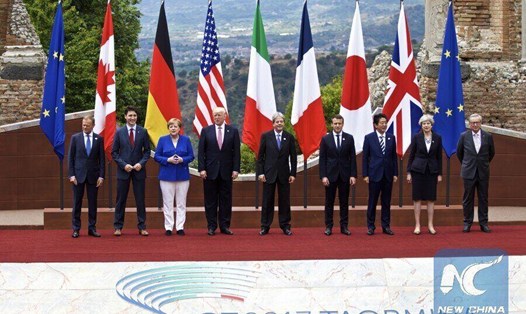
Assessing the G7 group (US, France, Germany, Italy, Japan, UK, Canada), the Russian president said that this model seems to have become an "outdated" structure. According to Russia, the G7 is no longer fully reflecting the actual balance of power in the modern world, as the role of emerging economic centers is becoming increasingly important compared to traditional growth poles.
To illustrate his assessment, Mr. Putin mentioned the global economic picture with contrasting colors. He noted economic difficulties and signs of decline in some key European countries such as Germany and France. According to him, these factors make the effectiveness of Western forums in addressing general issues more limited than before.
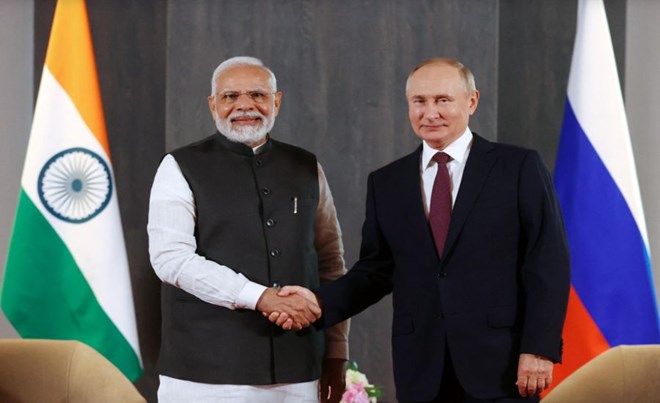
On the other hand, the Russian President has given many positive reviews to the development of the Eastern region. He emphasized India's position, affirming that the country has now risen to become the world's third largest economy (in terms of purchasing power parity - PPP), surpassing many members of the G7. He also expressed support for Prime Minister Narendra Modi's economic policies, saying that this is a key factor in helping India maintain stable growth momentum.
The interview comes ahead of Mr Putin's state visit to India to attend the 23rd bilateral summit. This is the first time in 20 years that the Russian president has answered an interview with an Indian media agency. Observers say the move reflects Russia's strategic orientation in consolidating its position in a multipolar world order, while enhancing connectivity with partners in the Asia region.