
Restoring operation, gradually increasing capacity
Bio-Ethanol Dung Quat biofuel plant, with a total investment of 2,219 billion VND, invested by Central Petroleum Biofuel Joint Stock Company (BSR-BF).
After many years of "shelving", in January 2026, BSR-BF put Dung Quat Biofuel Plant back into operation after completing maintenance and repair work.
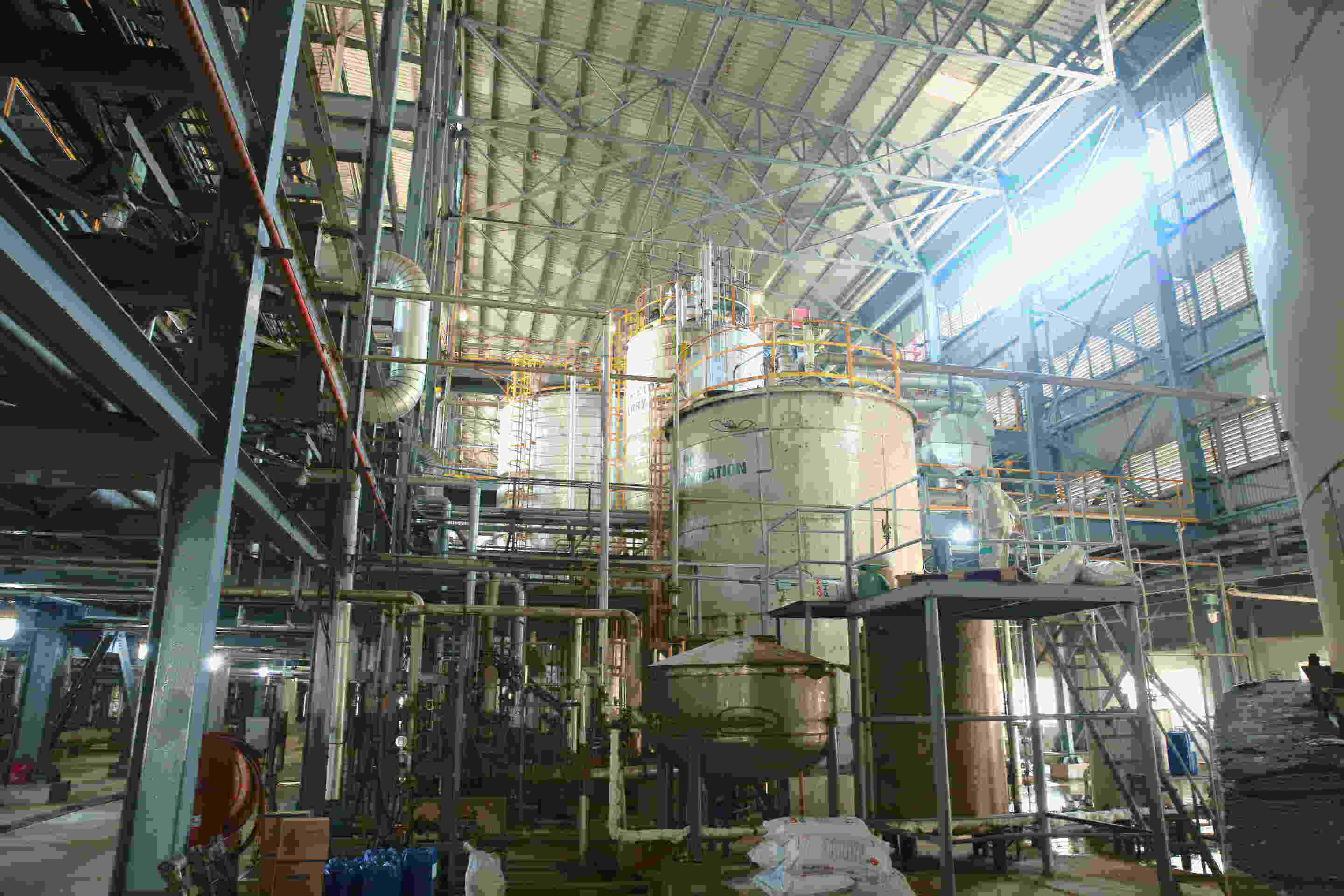
Just 2 weeks later, the factory launched the first batch of ethanol products. This is not only a noteworthy technical milestone, but also opens up new expectations for the production recovery process. However, to ensure safe and stable operation, the factory proactively stopped afterwards, in order to handle arising technical problems. In this rerun, ethanol production reached 462.7 m3 and was sold to Binh Son Refining and Petrochemical Joint Stock Company to serve bio-gasoline blending, thereby officially resuming the production - consumption chain.
In March 2026, Dung Quat Fuel Plant will maintain operation at about 60% capacity to stabilize the microbiome. Then gradually increase and aim to reach 100% capacity from mid-April 2026. In parallel with the restoration process, BSR-BF also implements 8 groups of innovative solutions to optimize operation and increase output.
The solutions focus on improving separation efficiency, improving enzymes, increasing distillation capacity, thereby helping output increase by an additional 10-20%, or even higher in some stages. The circular economy orientation is also clearly shown when 100% of wastewater and cassava residue are researched to be converted into products with higher value.
In addition, increasing CO2 recovery, improving the direct product output pipeline system and registering carbon credits for the entire production line are expected to improve overall efficiency, reduce costs and increase competitiveness for domestically produced ethanol.
Many mechanisms are needed to break through
In the context of increasing domestic demand for gasoline and oil due to the impact of the world situation, especially geopolitical instability in the Middle East, the development of biofuels is becoming a strategic solution to reduce dependence on external supply and strengthen national energy security. When the roadmap for using E10 RON95 biofuel is promoted, domestic ethanol demand is forecast to increase sharply in the near future.
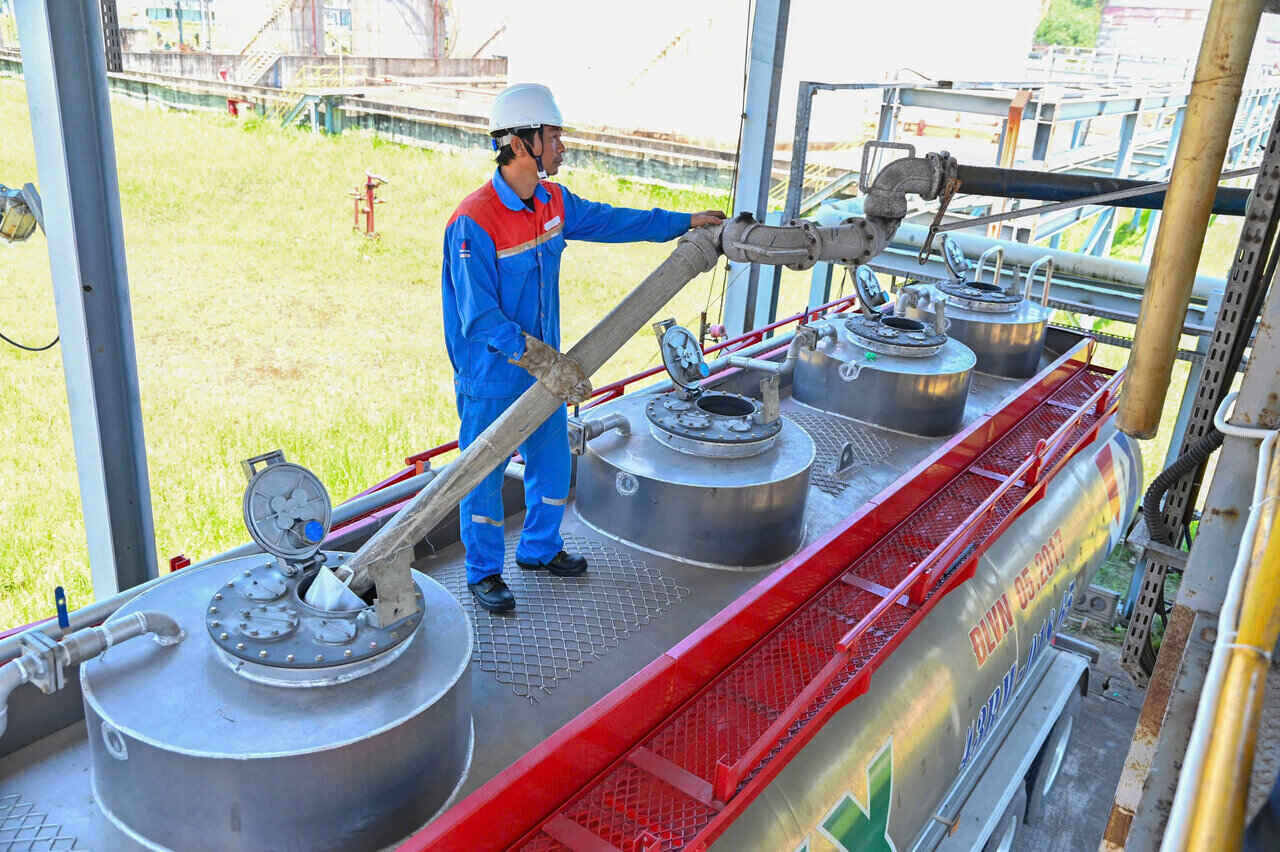
Reality shows that when domestic supply is not sufficient, Vietnam still has to import ethanol from markets such as Brazil, the United States, Thailand and some Southeast Asian countries. These are all countries with developed ethanol industries with large scale and competitive prices. However, dependence on import sources not only increases logistics costs but also potentially poses supply risks in the context of unpredictable world market fluctuations.
Therefore, putting Dung Quat Biofuel Plant into stable operation, gradually increasing capacity and replacing import sources is an urgent requirement. When the domestic ethanol supply is proactive, it not only helps reduce import pressure but also contributes to stabilizing biofuel prices and improving national energy self-sufficiency capacity.
Mr. Pham Van Vuong, Director of BSR-BF Company, shared that in the long term, assigning BSR-BF to preside over the deployment of new fields such as biodiesel, sustainable aviation fuel (SAF), microalgae or afforestation will help the company open up a larger development space, going deeper in the green energy value chain.
It can be seen that, with the foundation being gradually consolidated, plus the increasingly clear innovation strategy and the market opening up more room for development, Dung Quat Biofuel Plant is facing a great opportunity to break through. When bottlenecks in mechanisms, resources and markets are removed, BSR-BF can completely become an important link in the national energy ecosystem, contributing to promoting a greener and more sustainable energy transition process.


