Developing high-quality human resources
One of the strategic breakthroughs that the Resolution of the 14th Party Congress has identified is focusing on structural transformation and improving the quality of human resources, developing high-quality, high-level human resources.
In working sessions with ministries, branches, localities and agencies, General Secretary and President To Lam has repeatedly mentioned the content related to attracting high-quality human resources as an important requirement for national development in the new era.
At the meeting for the policy on basic scientific research on May 25, General Secretary and President To Lam mentioned one of the solutions as developing a scientific talent ecosystem.
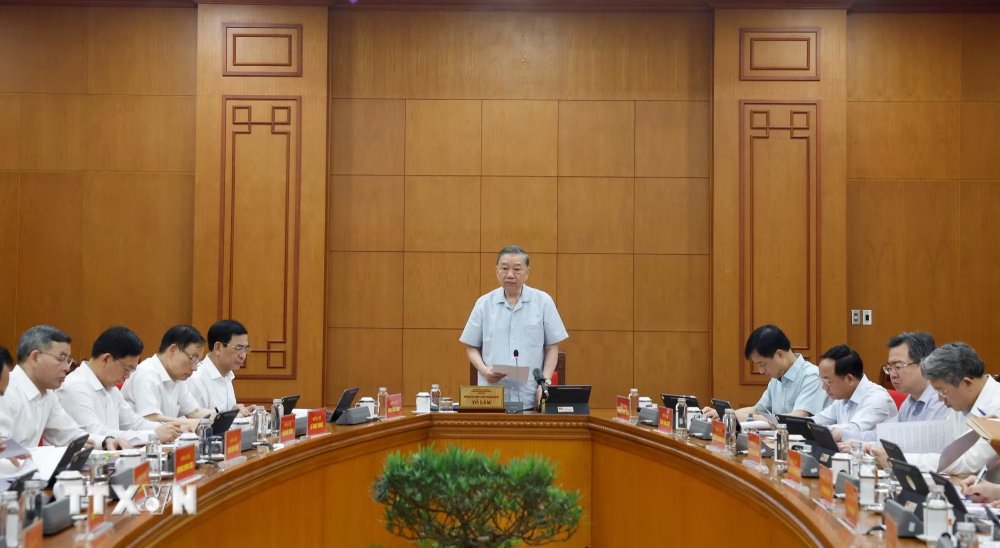
Or at the conclusion of the working session with agencies on assessing the country's development resources on May 20, General Secretary and President To Lam noted that it is necessary to continue to clarify and improve some major contents, including contents related to human resource development.
General Secretary and President To Lam stated clearly that in terms of human resources, the potential is very large with a population of more than 100 million people, a large labor force, a tradition of studiousness, and rapid adaptability, but high-quality human resources are still lacking, not meeting the pace of transformation (especially in new fields such as artificial intelligence, semiconductors, data, automation, logistics, new energy, high-speed railways, green hydrogen, nuclear power, high-tech industry); if not improved quickly, the population advantage will gradually decrease and may become pressure.
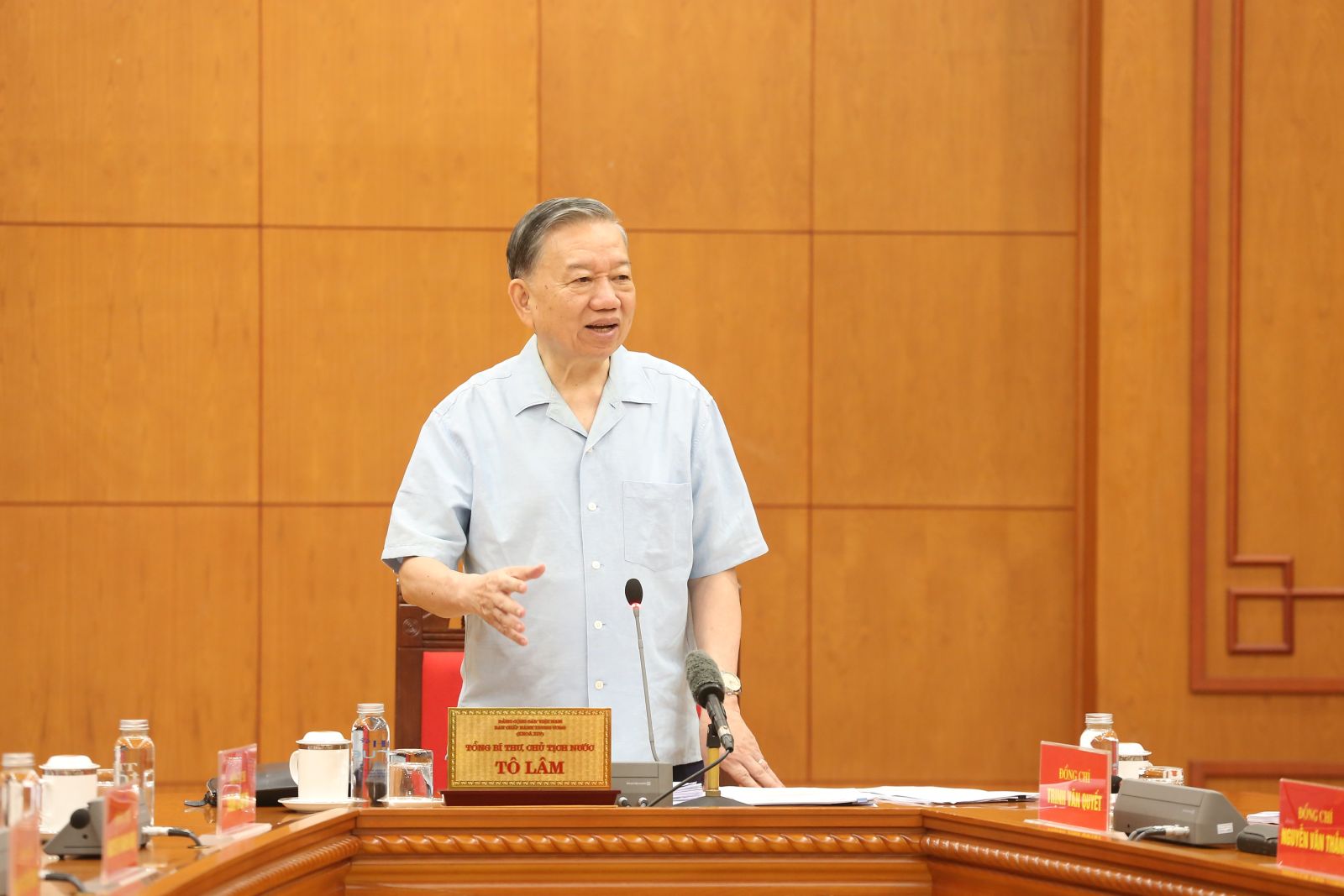
Also related to human resources, in a working session with the Central Organization Committee on solutions to improve the quality of grassroots cadres on March 5, the head of our Party emphasized: "To make big things successful, it must start from building a correct contingent of cadres, especially at the grassroots level, where policies meet life".
The head of our Party requested "to establish a mechanism to evaluate cadres based on output results and people's satisfaction; build a multi-dimensional evaluation system, quantified to suit each title". At the same time, it is necessary to "create motivation for grassroots cadres to dare to think, dare to do, dare to take responsibility for the common good", promote digital transformation in cadre governance and public service performance to improve operational efficiency.
These messages show that content related to attracting human resources, especially high-quality human resources for national development, is always of particular concern to the Party. In particular, the requirements for improving the quality of human resources are raised in the context that the problem of attracting and retaining talent in the public sector always receives great attention.
Strong reform of salary policy
Currently, the Ministry of Home Affairs is seeking opinions on the draft Decree amending and supplementing a number of articles of Decree 179/2024/ND-CP on policies to attract and value talented people.
A noteworthy point is the proposal that experts, leading scientists, and people with high professional qualifications when admitted to civil servants and public employees will receive an additional allowance equal to 300% of the salary according to the current salary coefficient for a period of 5 years.
In addition, cadres, civil servants, and public employees who are recognized as talented are also proposed to receive monthly allowances equal to 300% of the salary level according to the current salary coefficient.
Talking to Lao Dong Newspaper, Dr. Dao Hung - Department of Public Management, Faculty of Business Administration, University of Economics and Law (Vietnam National University Ho Chi Minh City) - said that the policy of attracting talent is one of the contents that the Party and State have always paid special attention to and implemented through policies through periods.
Dr. Dao Hung believes that attracting and retaining talent is a component of the overall management of public human resources. "Attracting and retaining talent (or high-quality human resources) is a competitive problem between the public and private sectors. The public sector not only needs to do better than it is now, but the policies and programs of the State must also be designed to be more attractive than the regimes that the private sector pays to a similar individual" - Mr. Dao Hung analyzed.
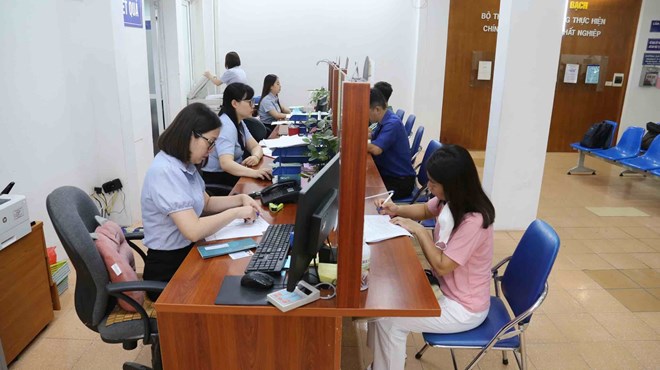
Mr. Dao Hung assessed the 300% allowance level as "an impressive figure", showing a special emphasis on high-quality human resources. This is a component of the strategy to attract and retain talent.
In addition, experts believe that the public sector needs to build a proactive working environment in parallel, reduce administrative constraints; build an assessment system based on output results; and at the same time ensure clear promotion opportunities and transparent achievement recognition mechanisms.
Agreeing with this view, Dr. Nguyen Tien Dinh - former Deputy Minister of Home Affairs - said that material preferential policies are necessary but not enough to retain talented people.
According to Mr. Nguyen Tien Dinh, retaining cadres, civil servants, and public employees not only depends on salaries or allowances but also on the working environment, development opportunities and career advancement.
He believes that it is necessary to strongly reform salary policies and bonus regimes to ensure income commensurate with the efforts workers put in.
Along with that is an objective and transparent evaluation mechanism based on task performance results, accompanied by a worthy reward policy, avoiding the situation of egalitarianism.