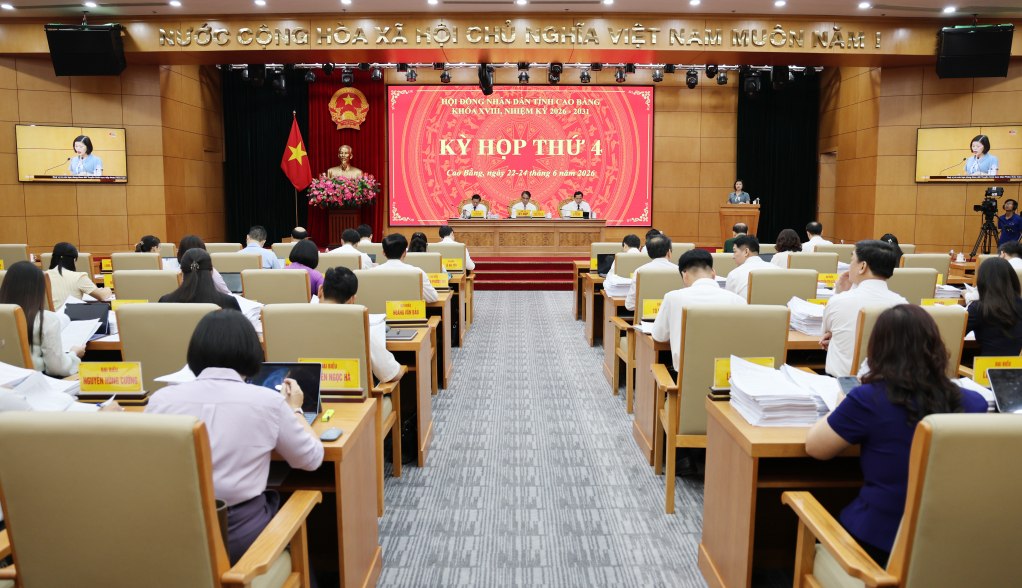
On June 23, the 18th Cao Bang Provincial People's Council continued the working program of the 4th Session (regular mid-2026 session) with a general discussion session in the hall.
According to the summary report of group discussion opinions, there were 194 turns of opinions participating and contributing.
Delegates basically agreed with the reports, submissions and draft resolutions submitted at the session, and highly appreciated the socio-economic development results of the province in the first 6 months of 2026.
However, many delegates said that the current growth pillars have not yet met expectations, while the province's GRDP growth target of 10% this year is not an easy task to achieve.
In addition, the progress of new rural construction is still slow; linking production, consumption of agricultural products and relocating barns out of the floor of houses still face many difficulties.
Some opinions also pointed out the shortcomings in the operation of enterprises and cooperatives when most are small-scale, facing difficulties in expanding production and business. The disbursement rate of public investment capital is still low, only reaching about 15% of the assigned plan.
At the discussion session, delegates focused on proposing many solutions related to the management of socio-economic development, investment attraction, increased budget revenue and accelerating the disbursement of public investment capital.
Issues related to agriculture, transportation, and landslide remediation on roads affected by storms and floods have also received much attention.
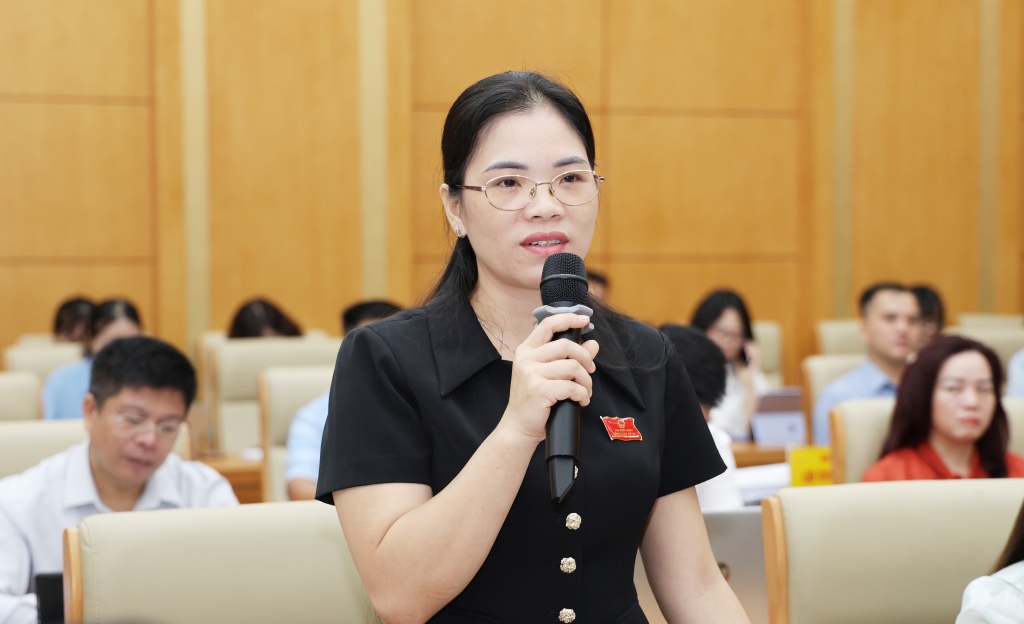
Regarding the field of land and planning, delegates proposed to soon complete the land database and remove obstacles related to administrative procedures.
At the same time, accelerate the progress of establishing and completing commune-level planning to create favorable conditions for attracting investment and implementing development projects.
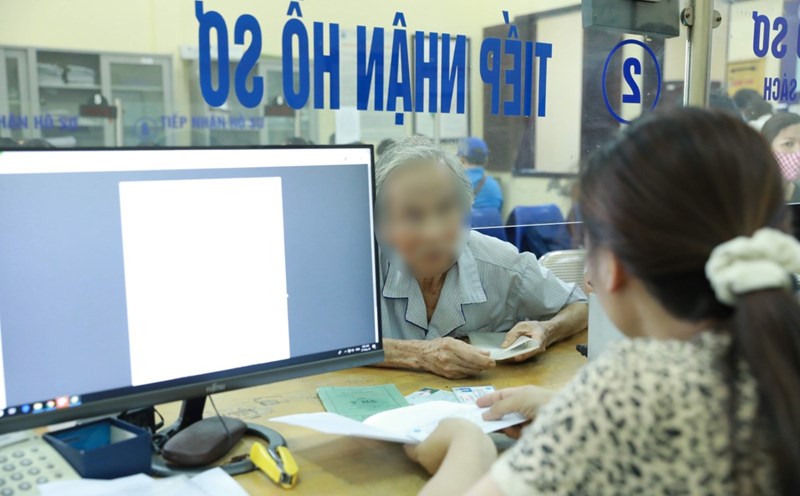
Regarding digital transformation, many opinions suggested clarifying the roadmap for overcoming wave veins, improving the operational efficiency of the two-level local government model and solving the shortage of information technology human resources at the grassroots level.
Explaining at the meeting, leaders of the Provincial People's Committee and representatives of departments and branches clarified many contents related to commune-level planning, budget revenue structure, and improving the investment and business environment.
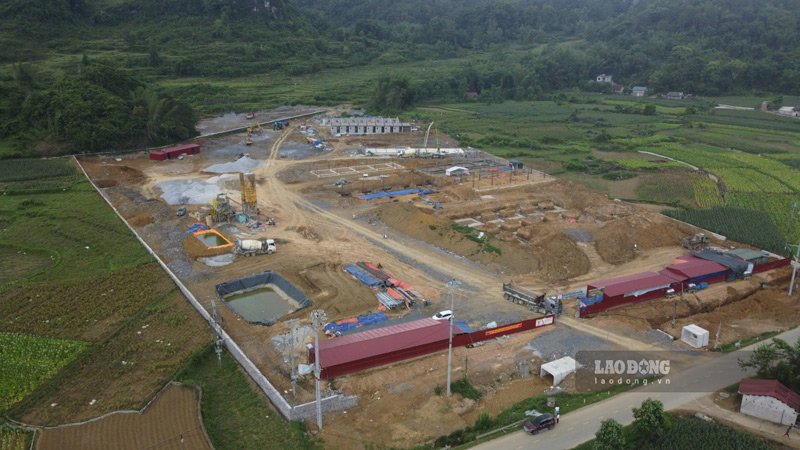
Contents for developing information technology human resources, as well as solutions to overcome difficulties in the fields of transportation, grid electricity and education.
In addition, delegates also spent time discussing regimes and policies for redundant non-specialized workers after the arrangement of residential groups.
The work of consolidating the grassroots cadre team and the actual shortage of human resources and facilities at remote and isolated health stations in the province were also discussed at the working session.