
On December 11, at the 5th Session of the 10th Da Nang City People's Council, delegates of the Da Nang City People's Council Bling Mia presented many recommendations related to forest development, mountainous infrastructure, education - health and the 2-level local government model.
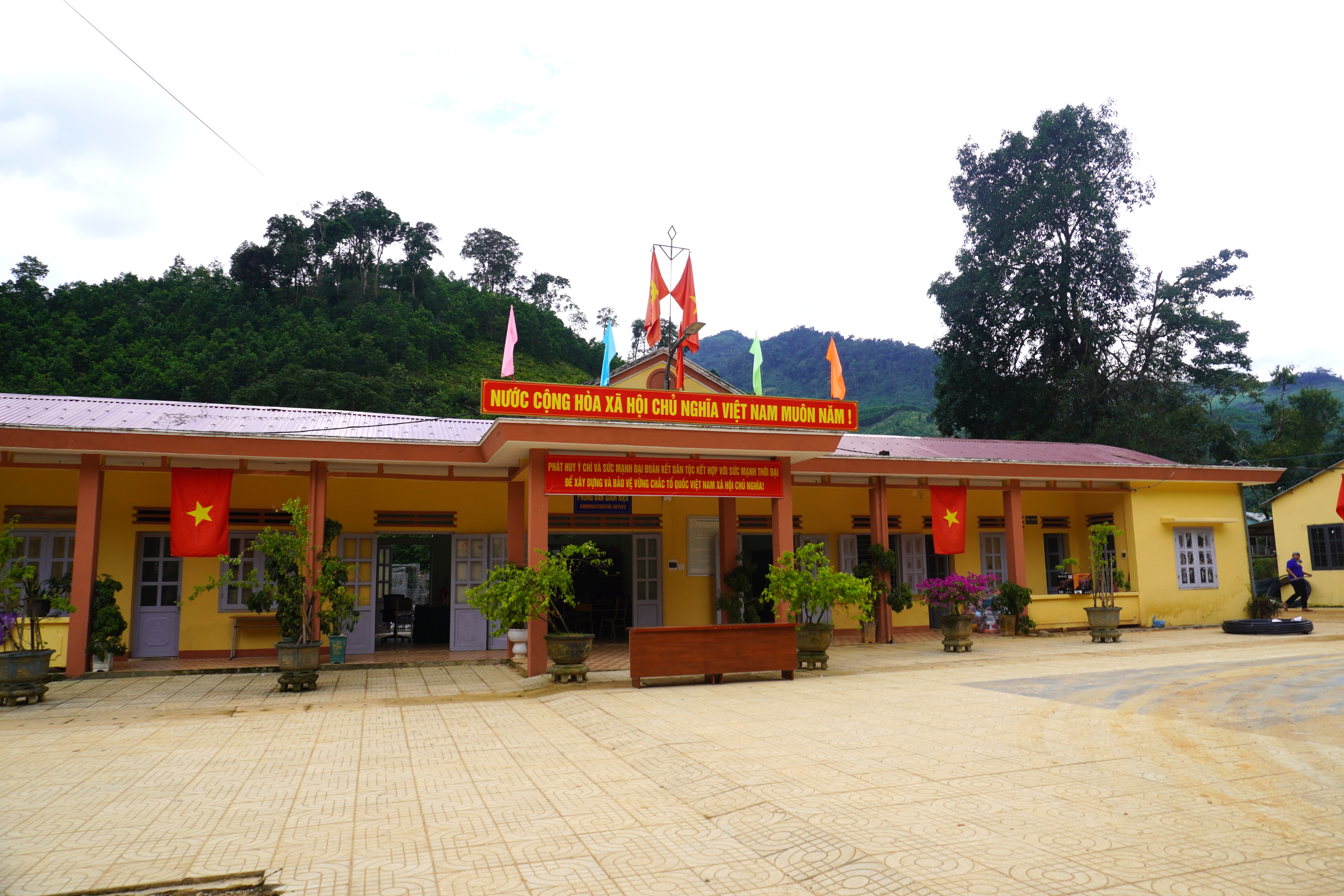
Regarding forest development, delegate Bling Mia said that the current understanding of growing large forests is not in line with nature, because forests are exploited cycally, so it does not reflect the sustainable goal. He suggested that by 2026, a Sustainable Forest Development Project for the period up to 2035 must be implemented and developed, with a vision to 2050, to consider forests as a real resource for nature conservation, biodiversity, timber supply, forestry products, medicinal herbs and play an important role in responding to climate change.
Regarding the mountainous development program, the delegate emphasized that Quang Nam province had previously issued resolutions for this area but was not effective due to lack of resources. He suggested that the city must develop a comprehensive strategy, clearly dividing each program and project to handle urgent issues.
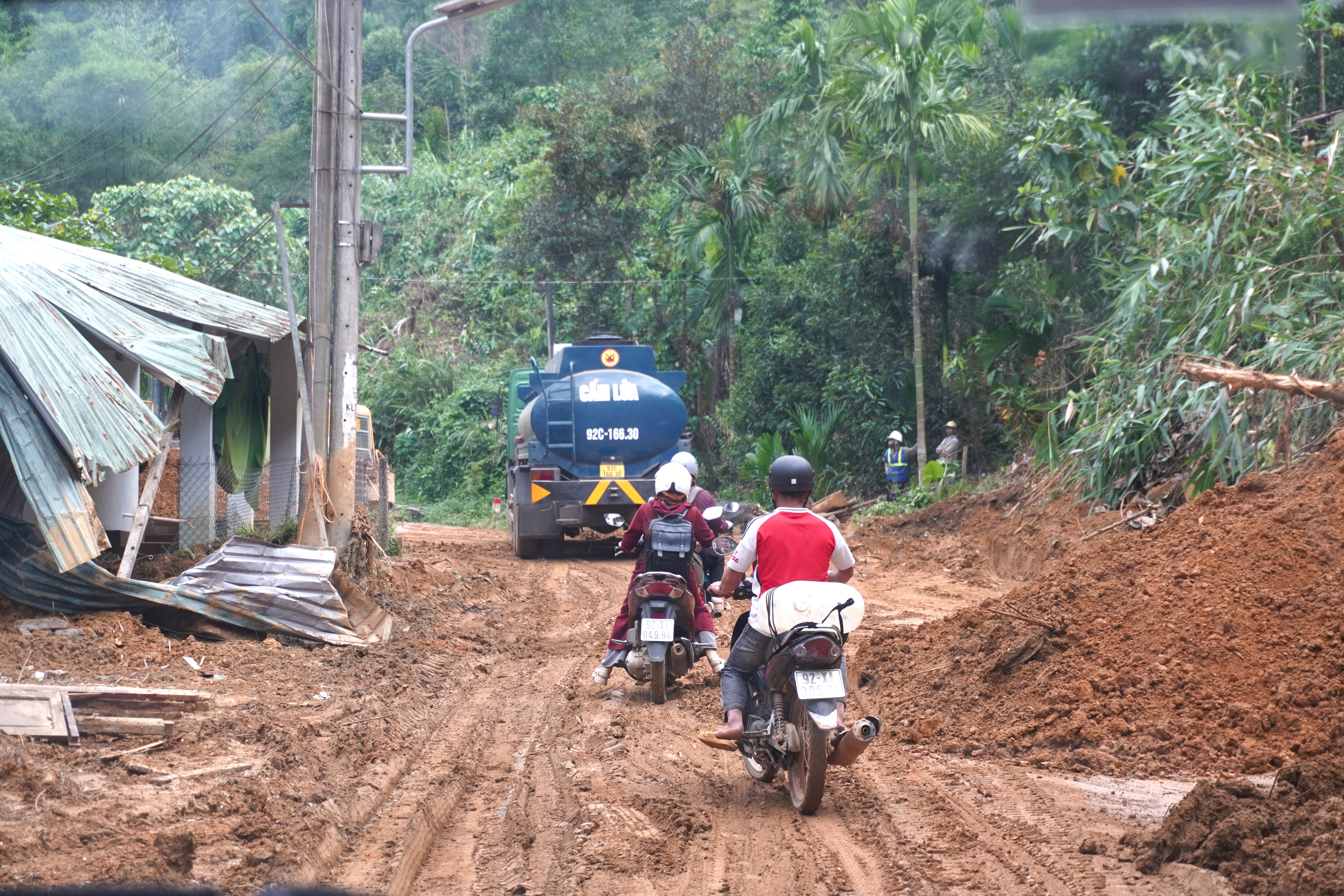
The first issue is mountainous transport infrastructure, according to the delegate, this is a decisive factor to narrow the development gap between mountainous areas and plains. Therefore, some delegates proposed to study the investment direction to upgrade infrastructure of national and provincial highways according to a sustainable model, minimizing excavation and filling of mountains.
"Traffic infrastructure needs to be designed in the direction of prioritizing tunnels and bridges; high mountainous areas must be surveyed geologically to calculate the tunnel digging plan. In fact, each year we spend more than 1,000 billion VND to overcome landslides in traffic infrastructure. If we accumulate 5 years, this figure is equivalent to investment capital for a new solid route. Therefore, this issue needs to be considered in a long-term strategy and seriously calculated," said Mr. Bling Mia.
The second problem is clean water in mountainous areas. While the target is that 90% of the population in mountainous areas use clean water, in reality, this criterion is very difficult to achieve. The delegate suggested that there should be a clean water center project for communes and areas with concentrated population after the merger.
The third issue is education and health in mountainous areas. Regarding education, the delegate requested to study the mechanism of "opening" for students in specialized schools and boarding schools to train quality staff for mountainous areas. Regarding health, he stated that Circular 43 stipulates that commune health stations must be completed from December 31, 2025, but the standards and implementation conditions have not been guided, leading to confusion. The delegate suggested that departments and branches must provide early advice and guidance.
Regarding the 2-level local government model, the delegate pointed out that the biggest problem is the lack of unification in decentralization - delegation of authority - delegation of authority, especially the allocation of 1,656 positions between the department and commune levels. He said that the commune level does not currently have enough authority to receive the task. The delegate also recommended giving localities the right to proactively establish a Project Management Board, if not resolved, capital cannot be disbursed.
The delegate also analyzed the reasons why the capital of the National Target Program after the merger is almost not disbursed: there are unclear mechanisms and implementation organizations, and at the same time, natural disasters and new restructuring. He suggested that the People's Council consider extending the 2025 capital plan to 2026 to remove bottlenecks.
At the same time, the delegate recommended that the city continue to invest in urban development in the center of communes after the merger, and support the construction of industrial clusters to create jobs, increase income and sustainably reduce poverty for people in mountainous areas.


