
Supplementing many regulations on dissemination and education of law
On the morning of August 3, at the first non-scheduled session of the 16th National Assembly, Minister of Justice Hoang Thanh Tung, authorized by the Prime Minister, presented a report on the draft Law on Dissemination and Education of Law (amended).
The draft Law consists of 5 chapters, 39 articles, stipulating some basic contents such as: Responsibilities of agencies, organizations, and individuals in disseminating and educating laws; Coordinating Council for disseminating and educating laws; Specific subjects; Legal education in educational institutions of the national education system; policy communication and methods of modern, digital transformation legal dissemination and education...
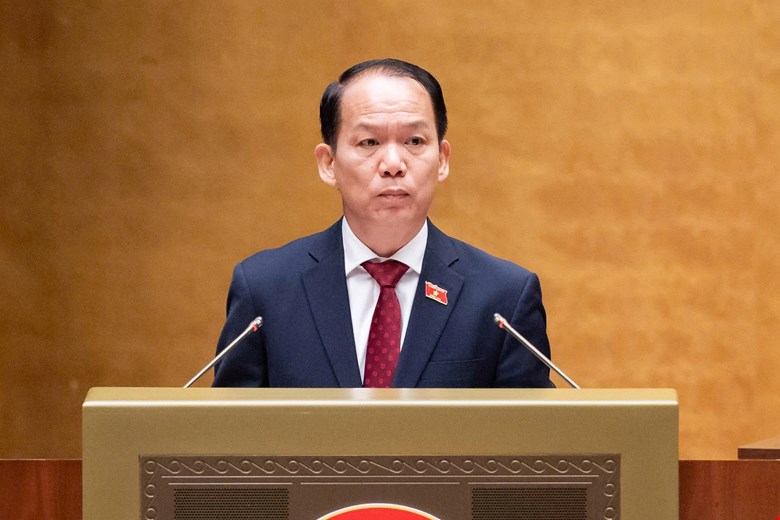
The draft Law clearly stipulates the responsibilities of heads of ministries, ministerial-level agencies, and Chairmen of People's Committees at all levels in leading and directing the implementation of legal dissemination and education; supplementing the responsibilities of a number of organizations and individuals such as: organizations providing legal services, services related to law, criminal judgment enforcement agencies, employers, lawyers, jurists...
At the same time, assigning heads of ministries, ministerial-level agencies, central agencies and organizations and Chairmen of commune-level People's Committees to decide on the establishment of the Council of ministries, agencies, organizations and communes when necessary to meet practical requirements, creating a legal basis for improving the effectiveness of legal dissemination and education.
The draft Law supplements a number of specific subjects: People from poor households, people from near-poor households; the elderly; people who have been sentenced to non-custodial reform; people who have completed their prison sentences and are reintegrating into the community. For workers, the draft Law inherits and adjusts to suit reality, prioritizing workers in industrial parks and export processing zones, workers with salaries equal to the regional minimum wage; more clearly stipulating policies and responsibilities in disseminating and educating laws for specific subjects...
The draft also completes regulations on legal education in educational institutions of the national education system, in which it has clearly stipulated that higher education institutions and vocational education institutions are responsible for bringing content equipped with legal knowledge related to training industries and professions to organize teaching.
At the same time, regulations on legal reporters and legal propagandists are in the direction of ensuring convenience in selecting and participating in disseminating and educating laws; supplementing regulations on legal training for civil servants and public employees to institutionalize the Party's policy at the 14th National Party Congress Resolution.
Appraisal agency requests clarification of some regulations
In the thẩm tra report, Chairman of the National Assembly's Law and Justice Committee (UBPLTP) Phan Chi Hieu said that many opinions in the UBPLTP proposed to stipulate Clause 4 of this Article in the direction that the Chairman of the commune-level People's Committee can decide to establish a Council according to "regulations of the provincial-level People's Committee" instead of according to "instructions of the provincial-level People's Committee" as in the draft Law to create a clear and transparent legal basis for establishing the PBGDPL coordination council at the commune level, ensuring compliance with the provisions of the Law on Promulgation of Legal Documents (VBQPPL).
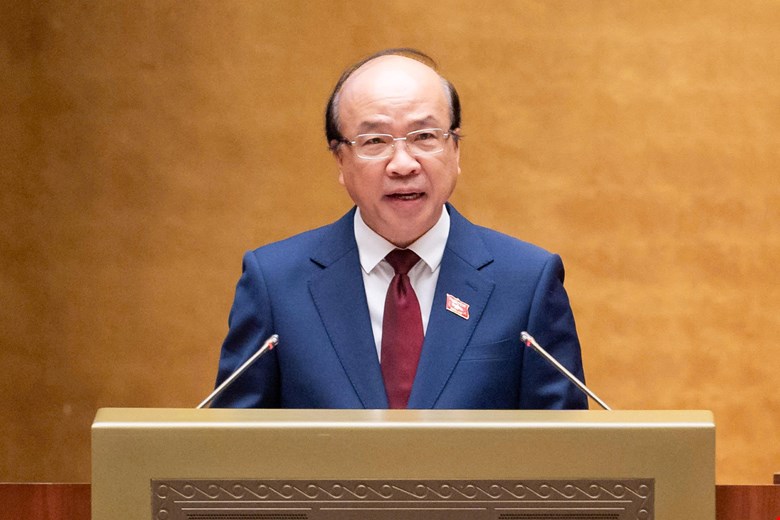
In addition, some opinions suggested "hardening" the establishment of this Council at the commune level because this is the level of government closest to the people and the commune level after arrangement is large-scale.
Regarding special subjects (Article 16), the majority of opinions in the UBPLTP agreed with the regulations on special subjects as in the draft Law. In addition, some opinions suggested further clarifying the criteria and principles for determining what are "difficulties and limitations in accessing the law" to serve as a basis for assigning the Government to detail this group of special subjects, ensuring transparency and unity in implementation; the Law only stipulates the criteria and principles for determining special subjects and assigns the Government to specifically identify special subjects to ensure timeliness and suitability with practical requirements.
Regarding policy communication, the thẩm tra agency proposed to study and more clearly stipulate the principles and requirements for policy communication activities to avoid the impact of public opinion on the review and decision process of the policy approval agency or the agency issuing VBQPPL, and at the same time more clearly stipulate policy communication, ensuring no duplication with the collection of opinions on projects and draft documents in the process of law-making, avoiding duplication and waste of resources.


