
According to Conclusion No. 40-KL/TW, the streamlining of staff (TGBC) in the period 2027-2031 will be implemented based on the plan, roadmap and responsibility commitments of each agency, unit, and locality.
The goal of reducing personnel focal points this time goes hand in hand with streamlining the internal organizational structure, arranging public non-business units and resolutely reducing the number of leaders and deputy heads in agencies and units.
In Lao Cai, the Chairman of the Provincial People's Committee issued Document No. 6390/UBND-NC directing departments, agencies, branches, public non-business units, financial funds and People's Committees of communes and wards in the province to implement the Politburo's documents on personnel management, arrangement, and completion of the apparatus to ensure streamlining, effectiveness, and efficiency of the government system.
For agencies and units with the number of cadres, civil servants, and public employees exceeding the assigned targets, the Provincial People's Committee requests to develop a roadmap and appropriate solutions to ensure that by the end of 2026, the actual number of staff is consistent with the targets assigned by competent authorities.
Agencies and units proactively develop TGBC plans for the 2027-2031 period in the direction of reducing from 5-10% compared to the official payroll in 2026, and at the same time determine specific implementation roadmaps for each year.
The Chairman of Lao Cai Provincial People's Committee assigned the Department of Home Affairs to preside over the synthesis and appraisal of relevant contents; advise the Provincial People's Committee to assign targets for civil servant payroll and the number of employees for each agency, unit, and locality.
The Department of Home Affairs guides and urges the development of the 2026 staff adjustment plan and the TGBC plan for the 2027-2031 period in accordance with the policy of the Central Government, the Provincial Party Committee and the practical requirements of the province.
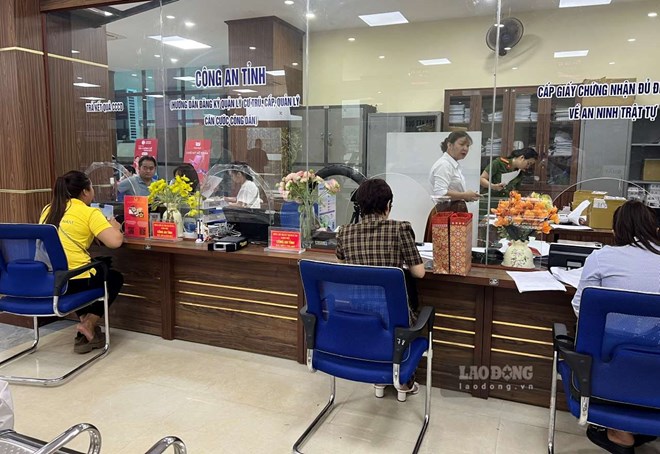
In Ho Chi Minh City, the Standing Committee of the City Party Committee requested to continue implementing TGBC in the city's political system; develop an annual TGBC roadmap for each agency and unit, especially units that have not implemented staff reduction in 2026. In the 2027-2031 period, Ho Chi Minh City will continue to implement TGBC from 5%-10%.
Leading and directing agencies effectively manage and use assigned staff. The Standing Committee of the Ho Chi Minh City Party Committee also requests regular inspection and supervision; promote the supervisory role of the People's Council, the Vietnam Fatherland Front Committee and the people in managing and using staff, implementing TGBC at agencies and units assigned by the Standing Committee of the City Party Committee and the Ho Chi Minh City People's Committee, in accordance with the positions of civil servants and public employees.
The Organization Committee of the City Party Committee presides over and coordinates with the Party Committee of Ho Chi Minh City People's Committee and relevant agencies to advise the Standing Committee of the City Party Committee to develop a project to assign personnel in 2026 and orientations for the 2027-2031 period of the city.
The project must ensure compliance with job positions, the policy of streamlining the organizational structure and the requirements for building and developing Ho Chi Minh City in the new era according to Resolution 09 of the Politburo. The City Party Committee's Organization Committee advises and completes the draft project before July 30.
Previously, the total payroll of the political system in the period 2022-2026 was about 2.23 million people, including 336,300 cadres, civil servants and 1.68 million public employees, excluding police, military forces and non-specialized personnel at the grassroots level.
According to government statistics at the end of 2025, after the process of arranging the apparatus, merging provincial-level and commune-level administrative units and ending district-level operations, the total number of civil servants and public employees has decreased by about 145,000 people.


