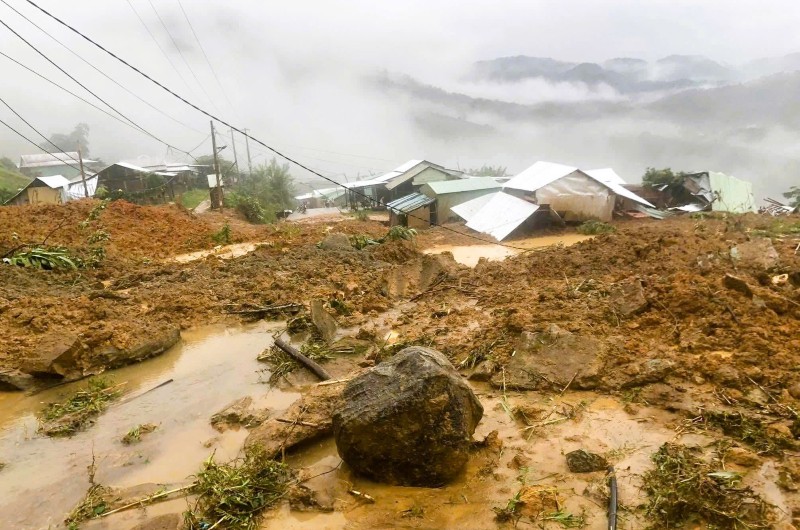
Editorial Board: Once expected to pave the way for the revival of disaster-stricken areas, but after more than 4 years of construction, the nearly 400 billion VND emergency traffic infrastructure reconstruction project in mountainous Da Nang is still unfinished, leaving behind muddy roads, divided villages and many questions about management responsibility.
Lao Dong Newspaper reflects this worrying situation through a series of articles "400 billion VND project in Da Nang disaster area, urgent on paper, messy on the ground" and points out the existing causes, suggesting handling directions.
The main road is still muddy after 4 years
One day in March 2026, the sun was scorching hot, Lao Dong reporters recorded on the DH1 route connecting from the old Phuoc Kim commune to the center of Phuoc Thanh commune (Da Nang City) that soil and rocks were scattered, the road surface in many sections was dug up, bumpy like an abandoned construction site. Motorbikes running through had to sluggishly avoid each pothole and cratch. Just one heavy rain, the entire road became muddy again, traffic was cut off, and thousands of ethnic minority households in Phuoc Thanh commune were almost isolated.
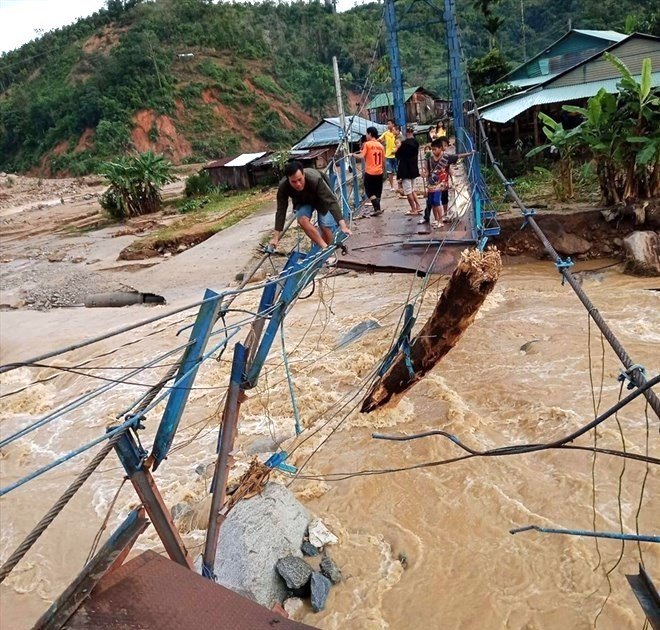
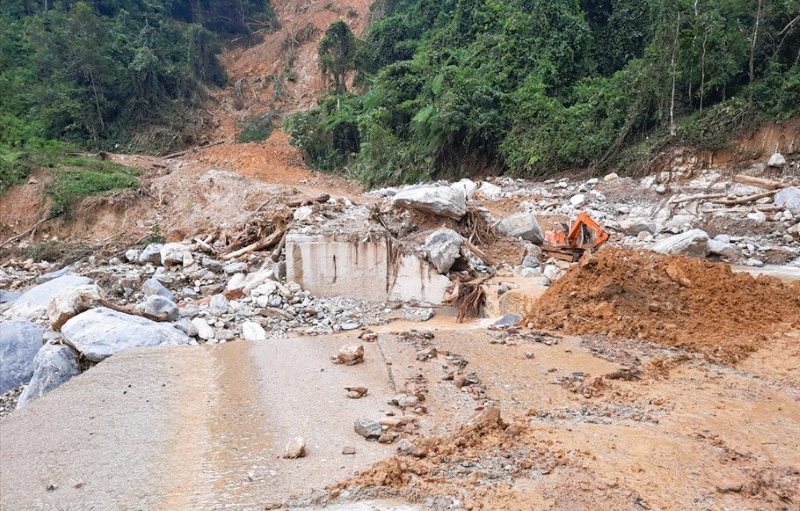
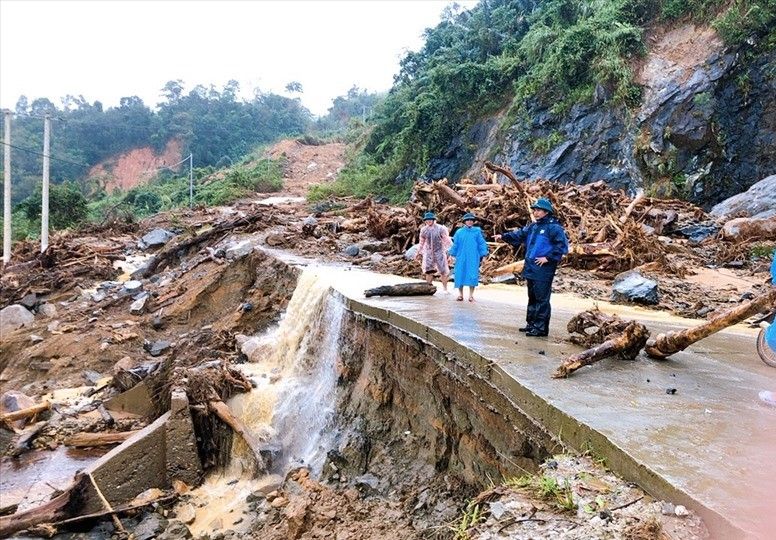
Standing on the edge of the landslide road, Mr. Ho Van Duan, a resident of Phuoc Thanh commune, looked at the road in front of him and shook his head. His voice was heavy: "From October 2020, storms and floods caused road landslides, and it's not over yet. People in remote and isolated areas have had difficulty traveling." This is also the common feeling of many households here over the past few years.
For mountainous people, the road is not just for traveling. It is a livelihood road carrying rice, medicine, carrying students to school, carrying agricultural products to the market. Roads are blocked, life is blocked. Roads are damaged, all activities are turned upside down. A disaster recovery project should have opened a new rhythm of life, but in Phuoc Thanh, it makes the difficulty last longer.
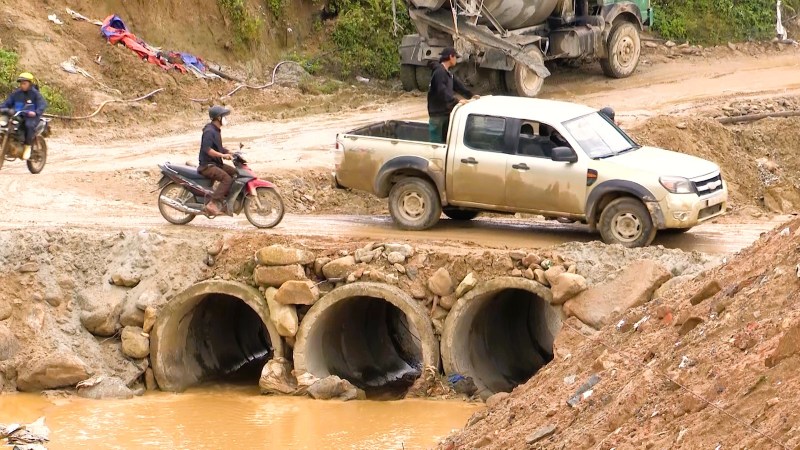
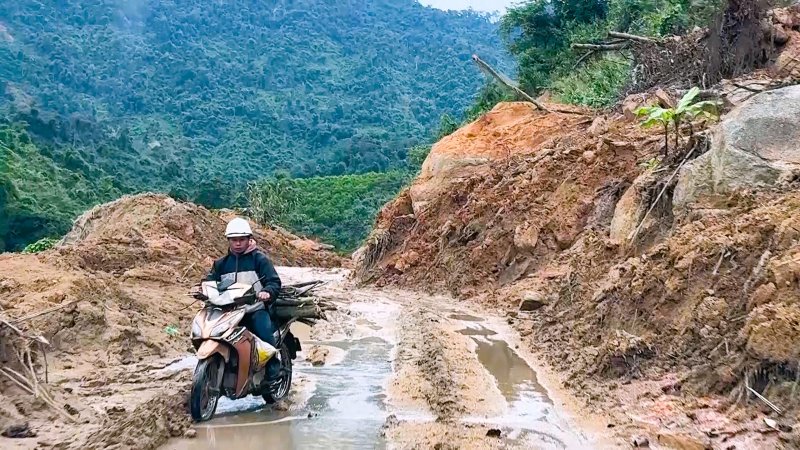
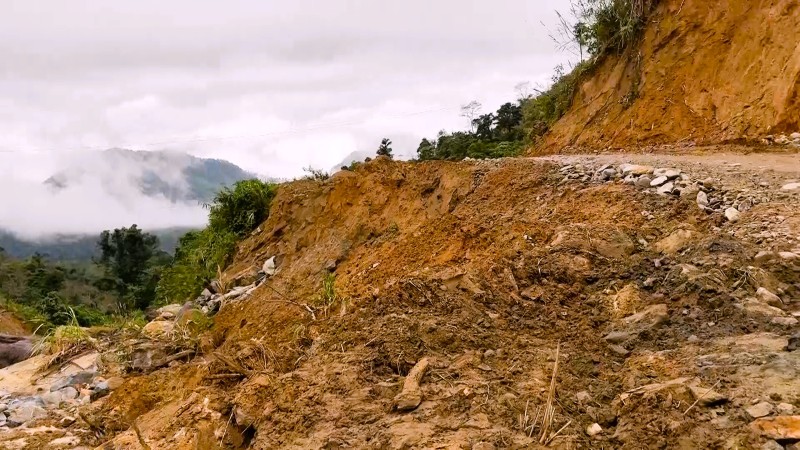
DH1 route has a total investment of about 150 billion VND, started in January 2022. This is part of 3 traffic infrastructure reconstruction projects for DH roads in Phuoc Son district, former Quang Nam province (now Da Nang City), with a total length of more than 30km, total investment of nearly 400 billion VND. The project is classified as urgent after natural disasters, with the goal of restoring infrastructure, stabilizing people's lives, and minimizing the risk of fragmentation in remote and isolated areas.
But the current reality shows a major paradox: after more than 4 years of construction, the total volume of all 3 projects only reached about 70%. Favorable sections are done first, while key locations, prone to landslides, directly affecting traffic safety, are still unfinished.
Highlanders bear more consequences
In Phuoc Thanh commune, people bitterly said that roads built in this style are "dusty in the sun, muddy in the rain", and miserable in any season. In the dry season, vehicles passing by carry red dust into people's houses. In the rainy season, the entire road turns into mudflats, slippery, and dangerous. Not only is it difficult to travel, but essential goods brought into the commune are also inflated due to increased transportation costs. Many vehicles do not dare to enter, or have to use specialized vehicles, leading to higher prices from rice bags, cans of oil to building materials.
Mr. Ho Van The, a resident of Phuoc Thanh commune, said in dismay: "Last Tet, they (the construction unit - PV) temporarily patched a few sections, people were secretly happy, but after Tet, everything returned to normal. Feeling sorry for the people" The pity that Mr. The mentioned is not only the hardship of traveling, but also the feeling of waiting too long for a project that was promised to be urgent.
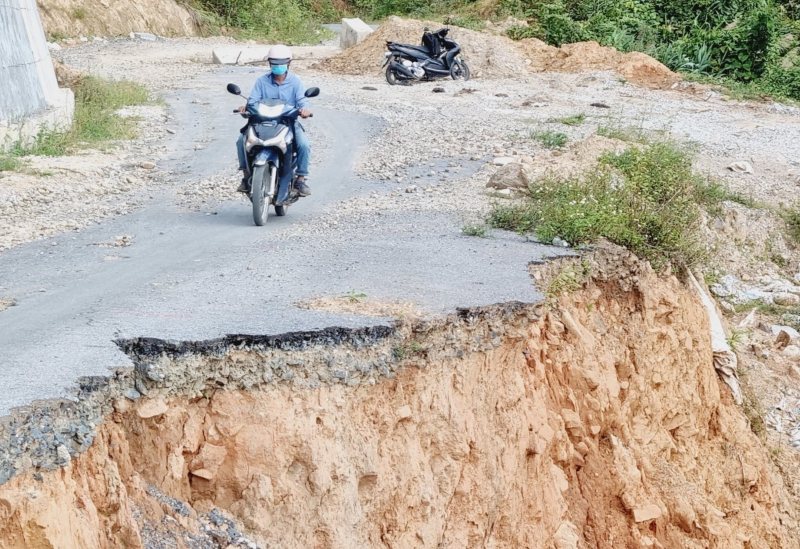
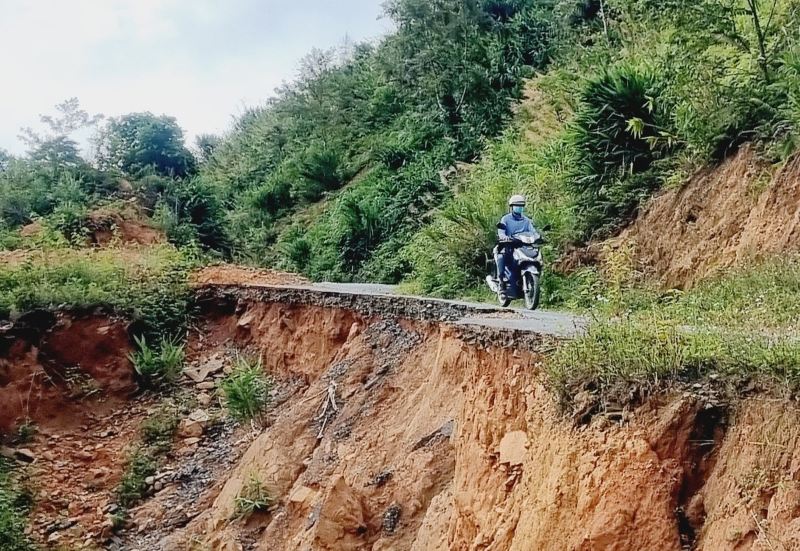
Mr. Luu Huyen Thoai, Vice Chairman of Phuoc Thanh Commune People's Committee, said that after merging 3 communes into Phuoc Thanh commune, the area is wider, the demand for trade and travel of people has increased, but the transportation infrastructure is not complete, making all activities difficult. For a mountainous commune with a divided area, roads are not smooth, which means socio-economic development is slowed down.
In fact, Phuoc Thanh is a land that suffered particularly heavy losses in the 2020 natural disaster. Rain and landslides at that time swept away dozens of houses, killing 13 people and leaving 4 missing. Therefore, the traffic reconstruction project is not only a basic construction problem, but also part of the healing journey after the natural disaster. It is expected to pull people out of the risk of re-poverty, pave the way for agricultural products to circulate, for students to go to school safely, and for patients to access healthcare more conveniently.
But when that project is prolonged year after year, people have to bear two times the consequences: once from natural disasters, and once from the delay in reconstruction work.
In the context that many provinces and cities in the Central region have basically overcome the consequences of recent natural disasters, the reality in the mountainous area of Da Nang shows an alarming gap in the process of reconstruction after natural disasters. A project labeled "urgent", allocated with large capital, but after more than 4 years still cannot be put into synchronous use, that is no longer a simple story of slow progress.
That is a manifestation of congestion in implementation organization, of lack of decisiveness in project management, and finally, prolonged disadvantages pouring on people in difficult areas.
Highlands struggle to cope with landslides and division
While the traffic reconstruction project is still slow, people in Phuoc Thanh commune continuously face the worry of landslides and division every rainy and flood season.
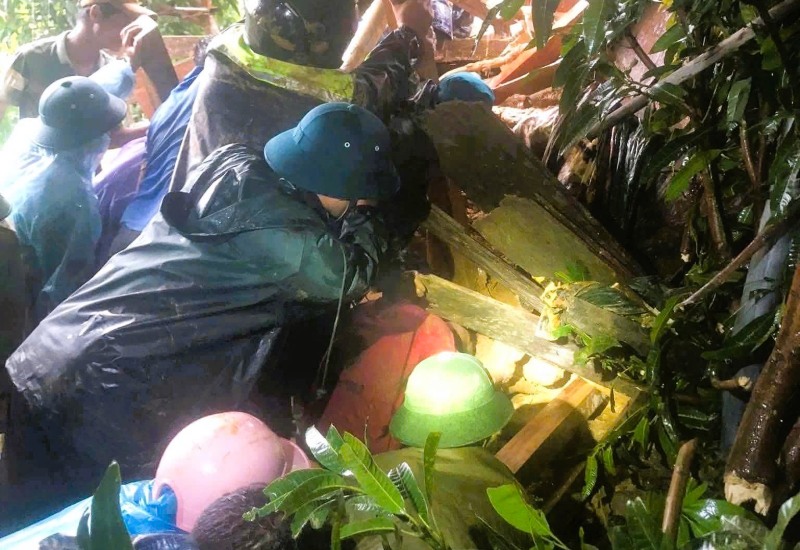
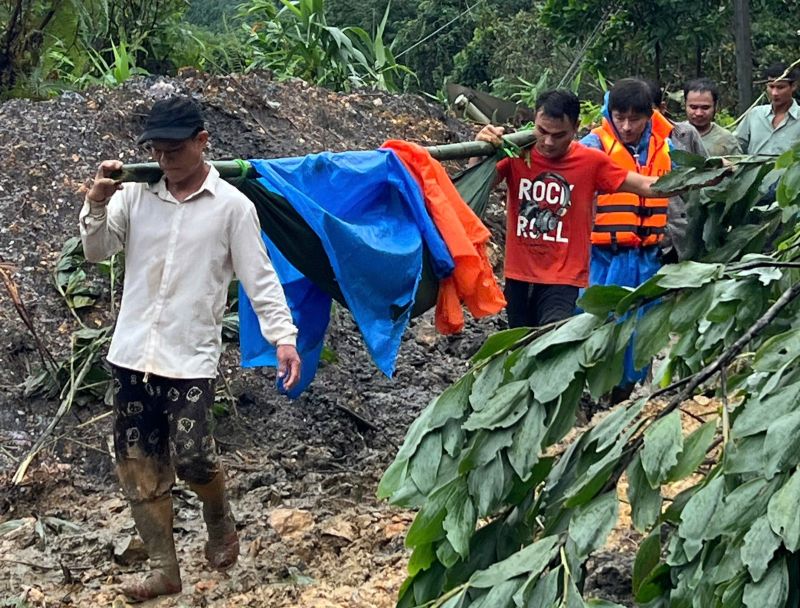
The most serious was the serious landslide on November 2, 2025, which buried 6 houses in hamlet 4, the police and civil defense forces of Phuoc Thanh commune risked their lives to rush into the landslide area, rescuing 17 people, including one person buried in the collapsed house.
Many days later, the supply road from the lowlands to the commune and from the commune to the villages was also cut off by floods and landslides, causing many obstacles for rescue work and ensuring safety for people.