
More than 900 hamlets and hamlets do not meet standards and are subject to mandatory arrangement
On June 11, Ca Mau Provincial People's Committee officially issued the Overall Plan for arranging and reorganizing hamlets and clusters in the area. This is the largest scale review and streamlining to date for the grassroots organizational system, aiming to improve the effectiveness and efficiency of state management and meet development requirements in the new period.
According to statistics, Ca Mau province currently has 1,393 hamlets and hamlets, including 1,163 hamlets and 230 hamlets. After implementing the arrangement of provincial and commune-level administrative units, many hamlets and hamlets have small and dispersed population sizes, not meeting the requirements for organization according to new standards.
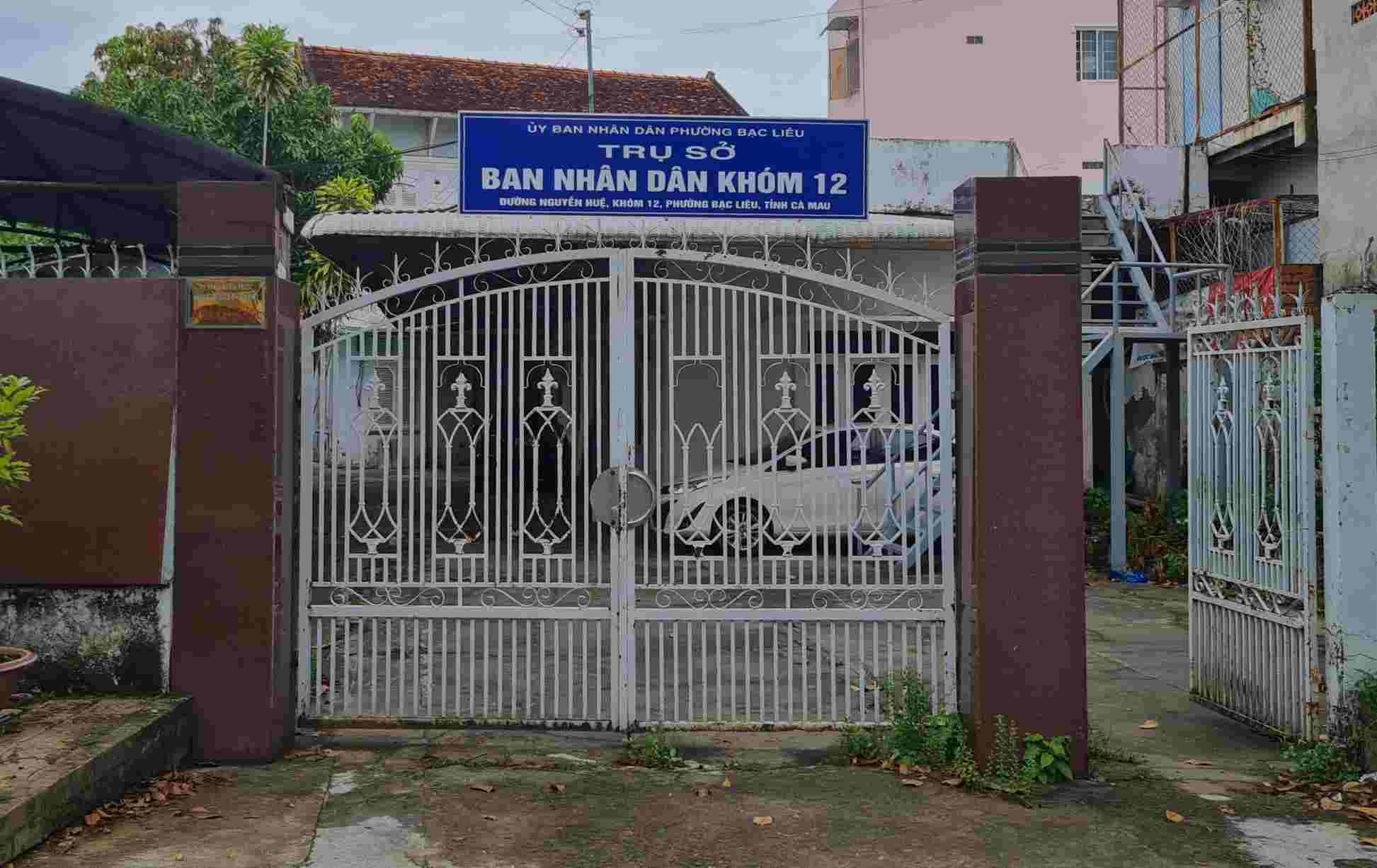
Based on Decree No. 185/2026/ND-CP applied to the Mekong Delta region, stipulating that one hamlet must have 400 or more households, and a minimum hamlet of 550 households. Comparing this standard, there are up to 905 hamlets and hamlets in the province that do not meet the standards and are subject to forced arrangement and merger.
In addition, Ca Mau province proactively reviewed 281 more hamlets and hamlets, although meeting the criteria for number of households, but with small, dispersed areas, and difficulties in managing and operating the apparatus. These units continue to be included in the arrangement plan to streamline focal points and improve management efficiency at the grassroots level.
In parallel, Ca Mau is completing dossiers proposing to upgrade 13 communes to wards in areas with rapid urbanization such as Song Doc, Nam Can, Ganh Hao, Cai Nuoc, Dam Doi... The model conversion from hamlets to clusters in these areas is also being implemented synchronously, in line with the urban development orientation in the coming time.
Nearly 400 billion VND to pay benefits to redundant officials
According to the plan approved by the Provincial People's Committee, this arrangement will affect 1,186 hamlets and hamlets. After completion, the number of units will decrease from 1,393 to 830 (including 693 hamlets and 137 hamlets), equivalent to a reduction of 563 focal points, more than 40.42%.
The province maintains the status quo of 205 hamlets and hamlets because they well meet the conditions on population size, area and management organization. Notably, there are 2 hamlets that are subject to mandatory arrangement but are proposed to be kept due to specific terrain conditions, being divided by river systems, canals or located in melaleuca forests, sparsely populated. The merger of these areas, if implemented mechanically, may cause difficulties for people in traveling and accessing administrative services.
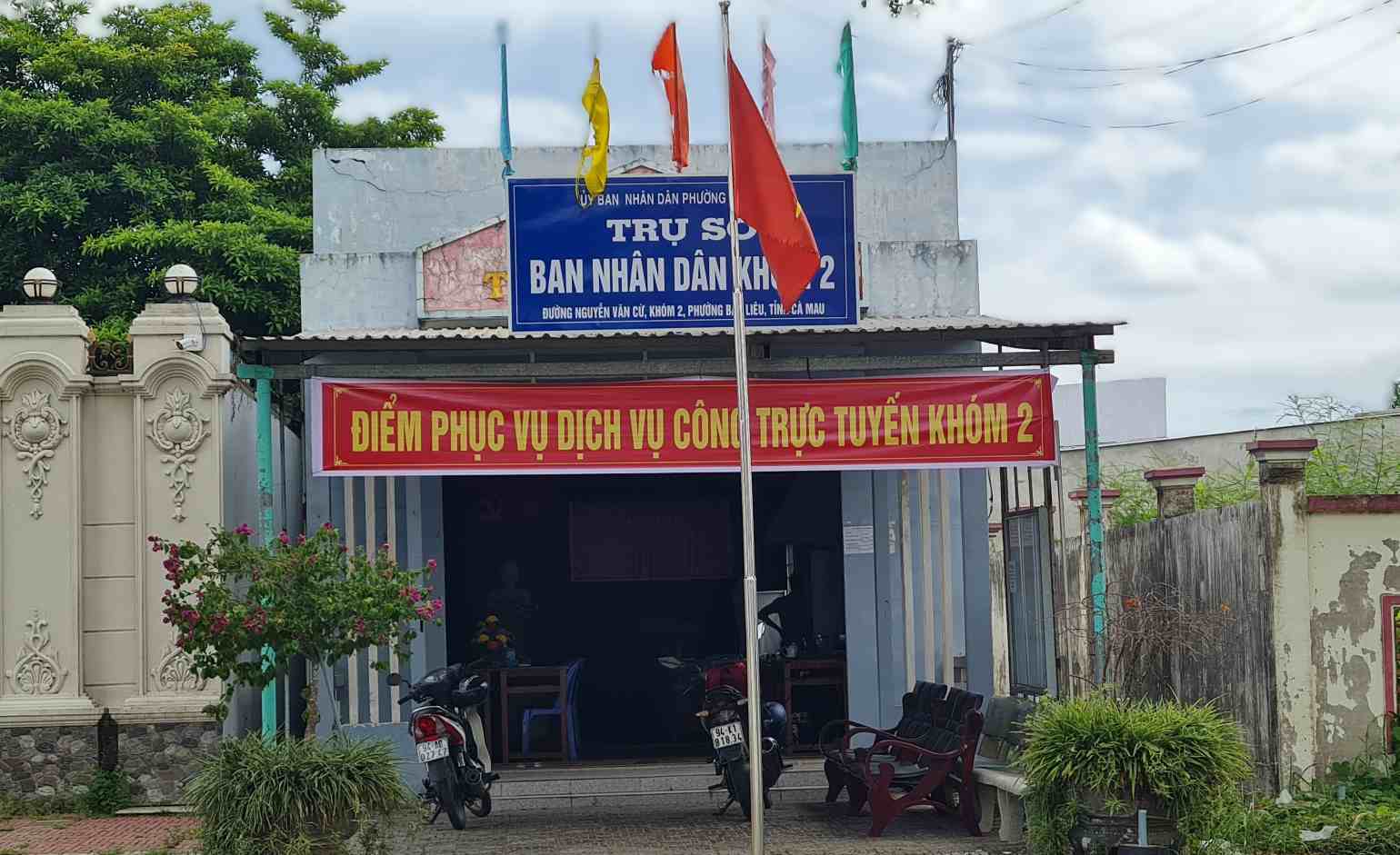
The whole province has 1,567 non-specialized personnel who are not assigned to work, including Party cell secretaries, hamlet and hamlet heads, Fatherland Front committee heads and other concurrent positions.
To ensure the rights of this team, the province plans to allocate nearly 396.7 billion VND to pay benefits according to current regulations. This is a large source of funding, showing the local determination in implementing the policy of streamlining the apparatus and stabilizing the lives of affected people.
At the same time, 1,936 people will be rearranged in new hamlets and hamlets after the arrangement. The province orients the implementation of a concurrent model, in which the Party cell secretary is also the hamlet and hamlet head; in special cases, it is possible to concurrently hold the position of head of the Fatherland Front working committee to reduce focal points, increase management efficiency and unity in leadership.
The reduction of more than 40% in the number of hamlets and clusters is expected to create a strong shift in streamlining the grassroots apparatus, improving management efficiency and service efficiency for people in Ca Mau province.


