
The Southern Hanoi area is recording clear changes in transport infrastructure as a series of key projects are being completed or under construction, contributing to gradually completing the urban connectivity network, reducing pressure on existing roads.
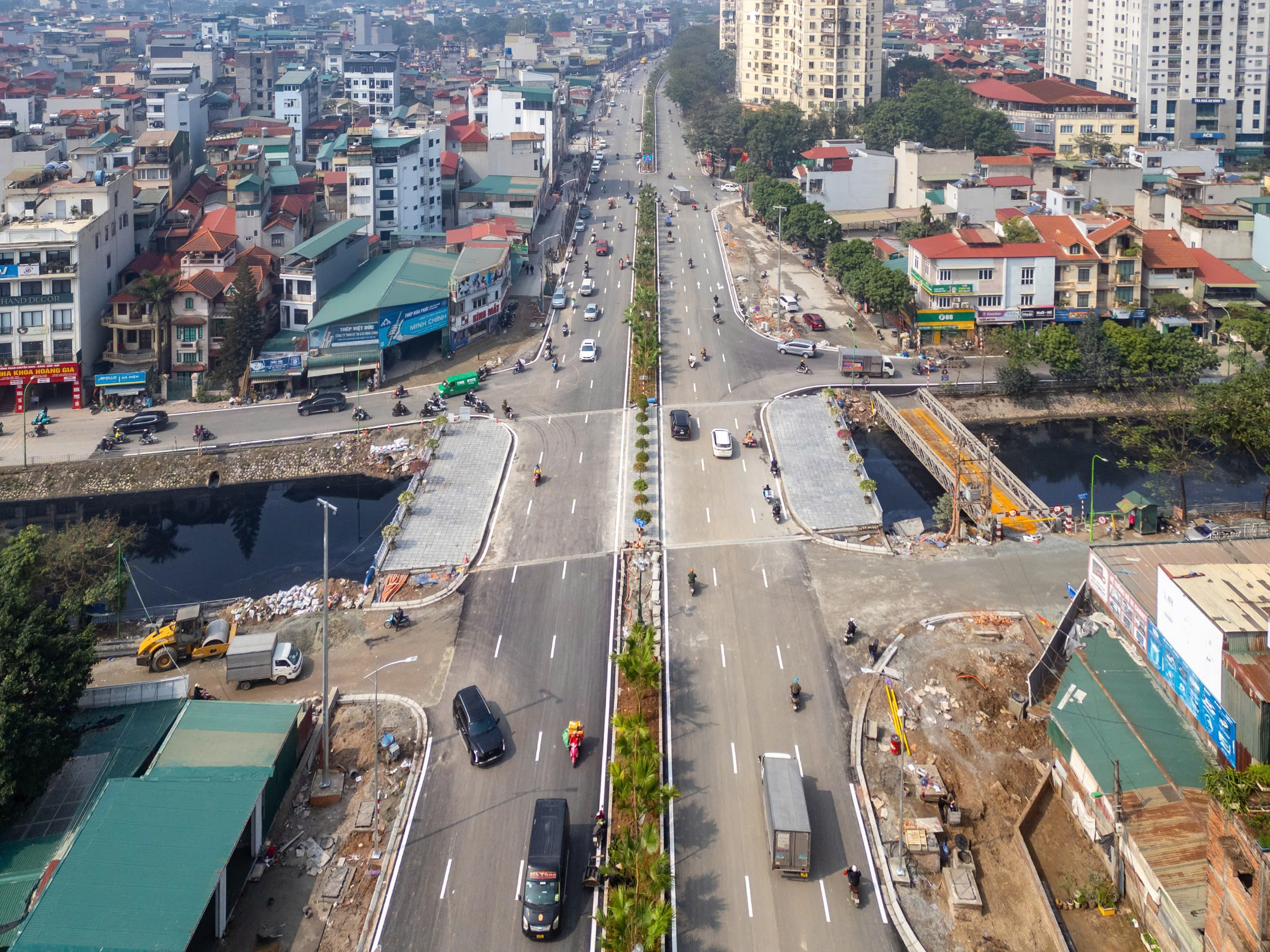
In which, noteworthy is the Ring Road 2.5 project, the section from Dam Hong to National Highway 1A, which was officially technically opened to traffic on the morning of February 10th after 12 years since the start of construction.
The project is about 1.6km long, with a total investment of more than 1,300 billion VND under the BT (build - transfer) contract form, started in 2014.
Putting the road into operation has closed the long journey with many obstacles in site clearance and BT contract extension.
Previously, the project had to temporarily stop construction in 2020 when it only reached about 40% of the workload.
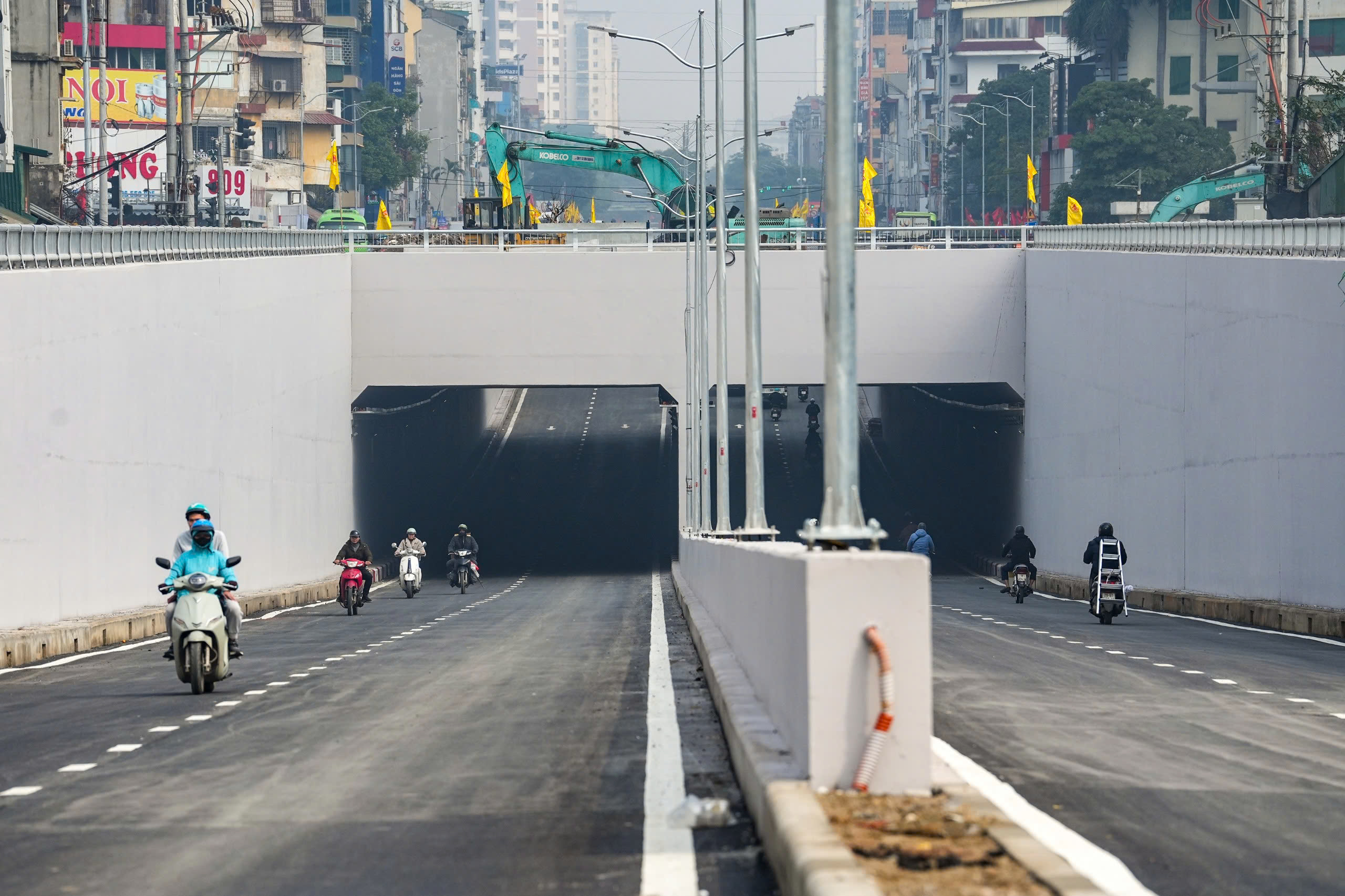
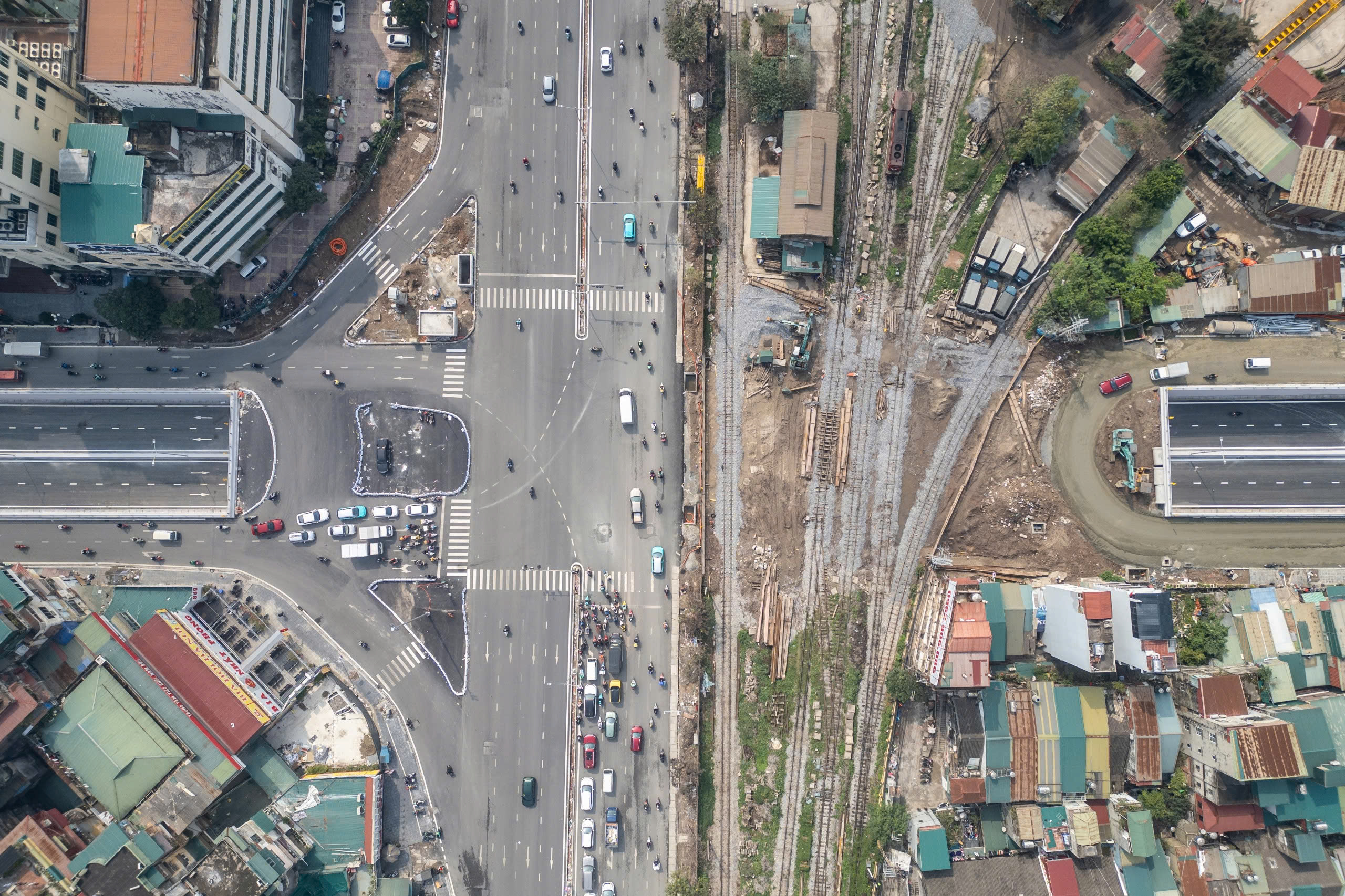
At the same time, the underpass at the intersection between Ring Road 2.5 and Giai Phong road was also technically opened to traffic after more than 3 years of construction.
The synchronous operation of the underpass and Ring Road 2.5 is expected to help effectively divert traffic, reducing the load on many inner-city roads that are often overloaded.
Meanwhile, Nguyen Canh Di extended road (Dinh Cong ward) - an important branch connecting to the regional transportation system - is also being renovated and upgraded after a long period of degradation.
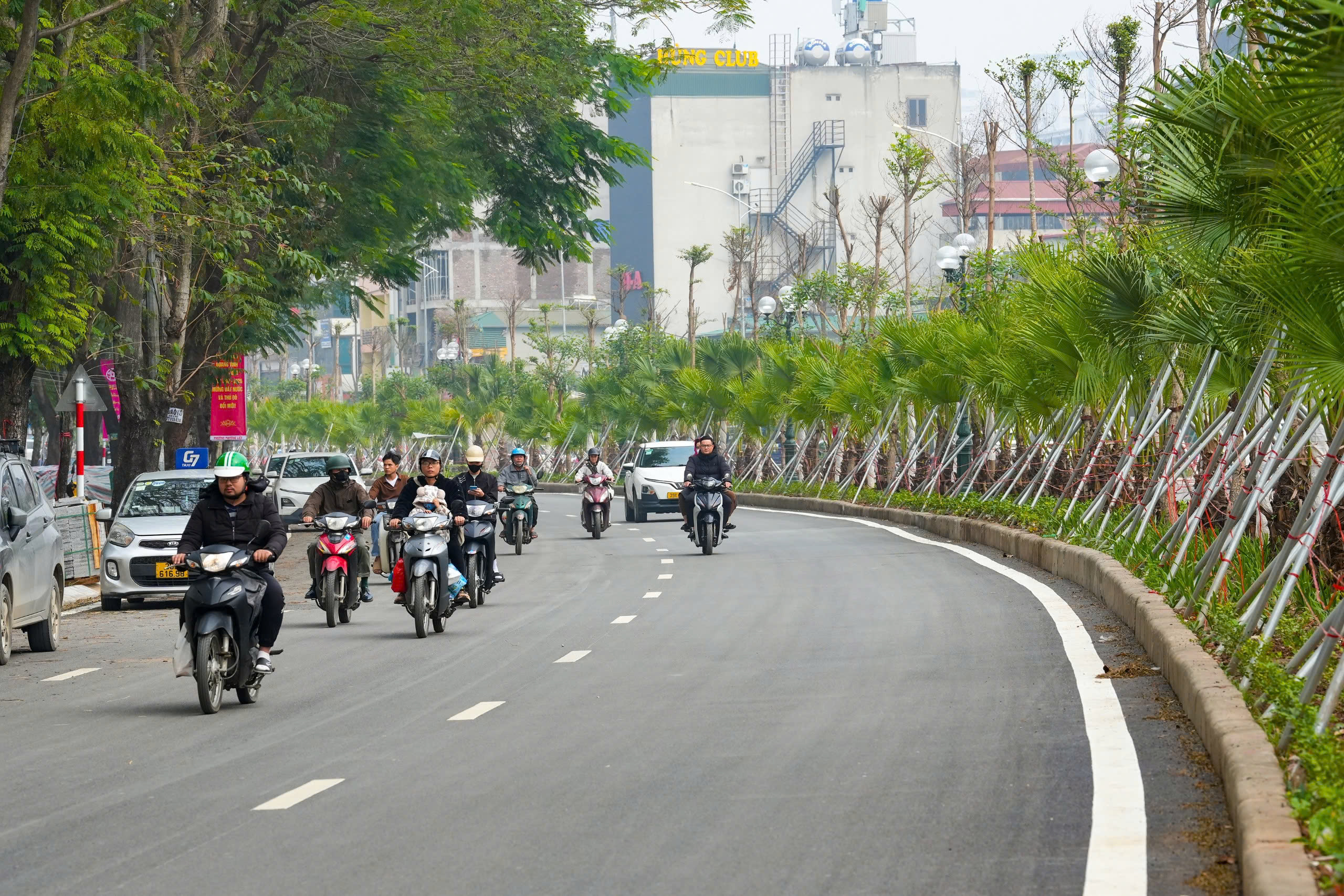
The road is about 600m long, connecting from Song Lu bridge to Dinh Cong bridge, belonging to the technical infrastructure project of Bac Dai Kim new urban area expansion.
Records in early March 2026 show that half of the road surface has been paved with asphalt concrete, creating a convenient traffic surface for vehicles. The remaining part is being urgently deployed by the construction unit, expected to be completed in the near future.
Before being renovated, Nguyen Canh Di street surface appeared many potholes and craters, causing difficulties for people's travel, especially in rainy weather conditions, causing the road surface to be waterlogged, slippery, and potentially unsafe for traffic.
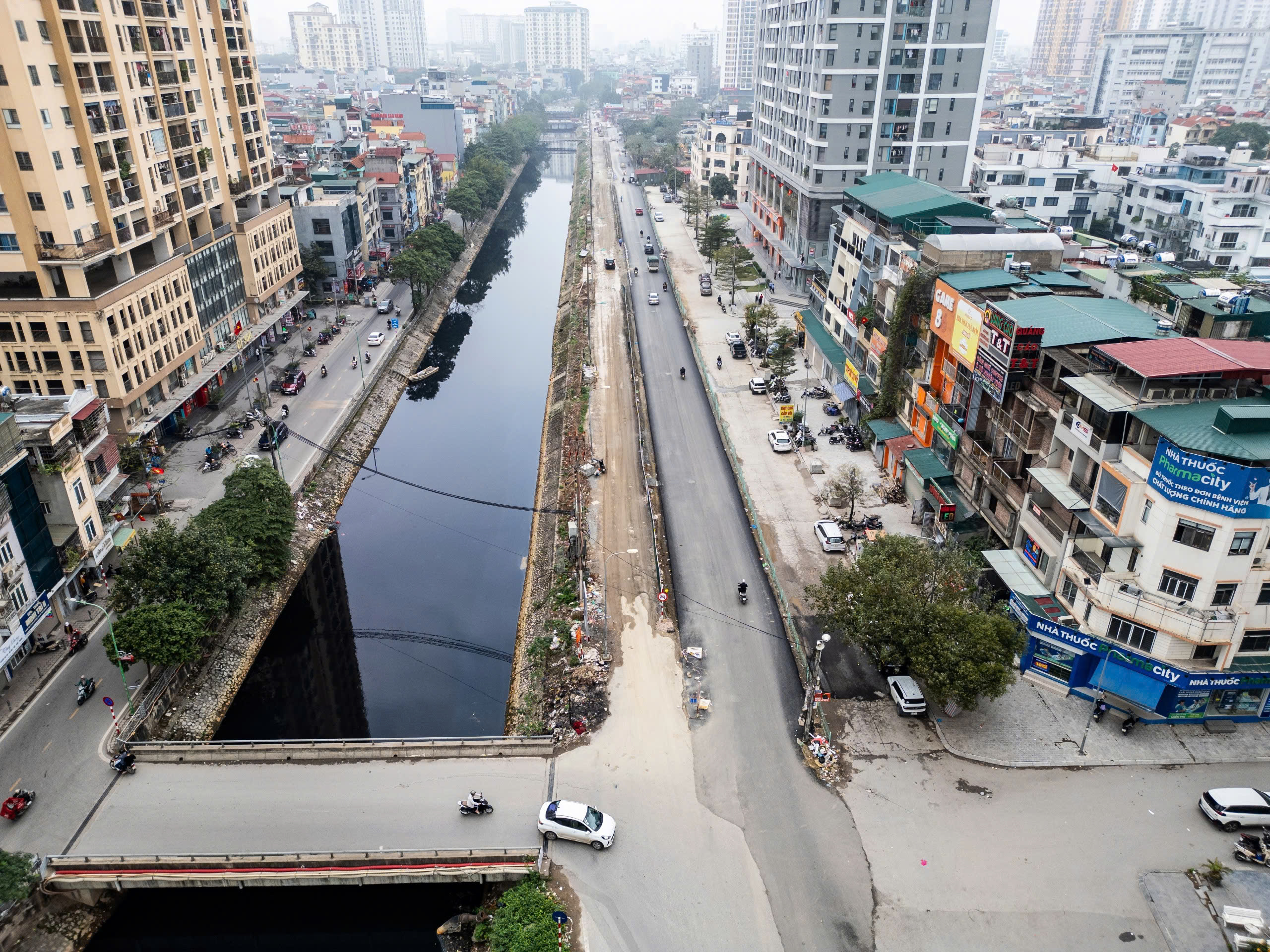
Ms. Bui Thi Van Anh (resident in Dinh Cong ward) said that in the past, travel in the area faced many difficulties due to some degraded roads, while prolonged construction projects affected the living environment.
Currently, when Ring Road 2.5 has been opened to traffic, the underpass has also been put into operation and Nguyen Canh Di street is being upgraded, travel is much more convenient. Connecting roads will help reduce congestion, especially during peak hours," Ms. Van Anh shared.
Not only helping traffic flow smoothly, the completion of roads and underpasses also creates favorable conditions for business activities and goods transportation. People believe that when infrastructure improves, the regional economy will definitely develop accordingly.
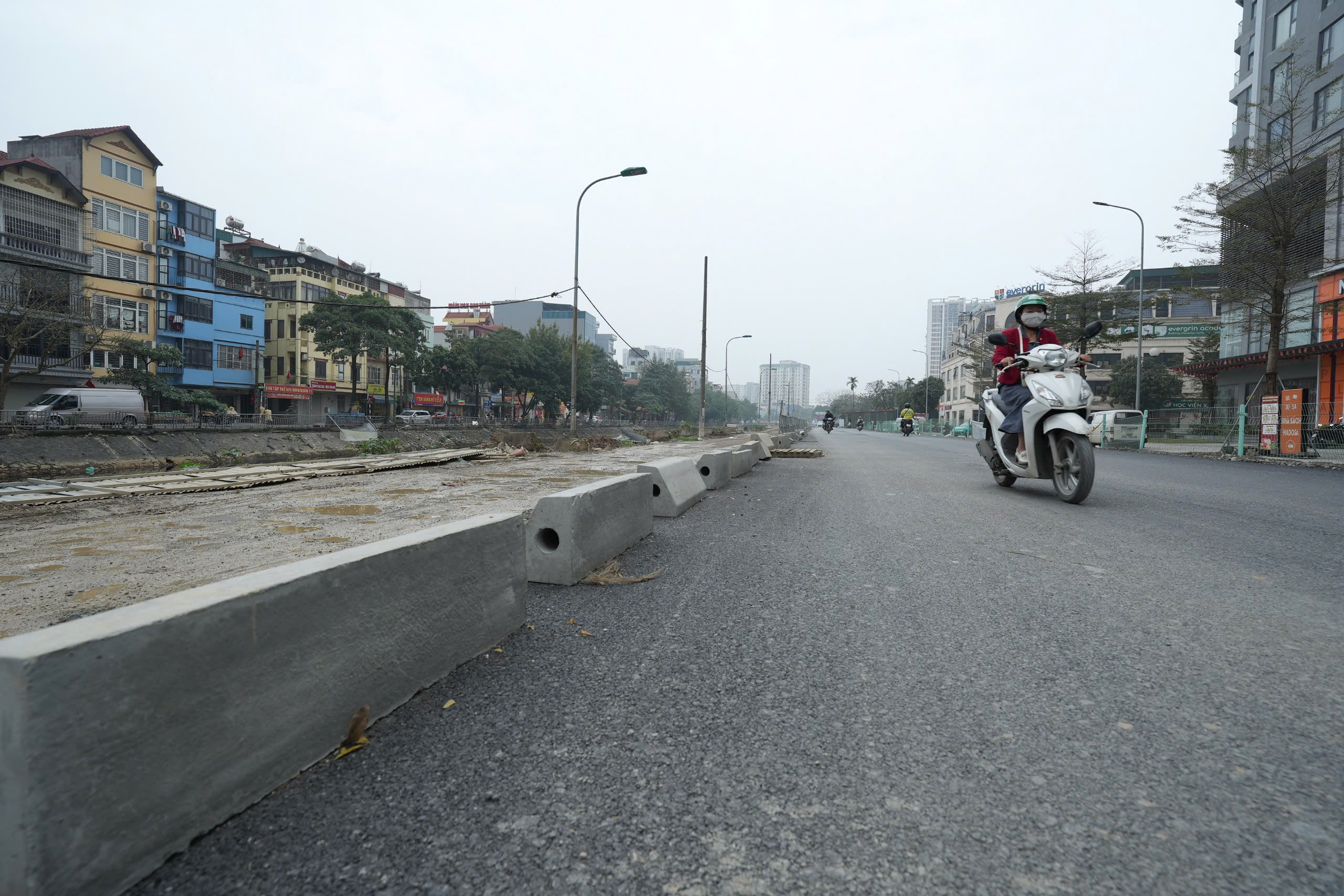
According to the assessment of many urban experts, the gradual completion of connecting traffic routes such as Ring Road 2.5, underpass at the intersection with Giai Phong road and Nguyen Canh Di route will contribute to reshaping the development space of the Southern Hanoi area, creating motivation to attract investment and improve the quality of life for people.
In the context of increasingly rapid urbanization, investing and completing the transport infrastructure system is considered a key factor to reduce pressure on existing roads, while opening up new development space for urban areas in the future.


