
Faced with the forecast that El Nino may appear in the period 2026 - 2027 with many extreme weather diễn biến, Lai Chau province is developing response scenarios to minimize damage, ensure safety for people and maintain socio-economic development.
Climate change is becoming increasingly complex with the frequency and intensity of extreme weather phenomena increasing.
Reality in Lai Chau in recent times shows the increasingly clear impacts of natural disasters on people's lives and socio-economic infrastructure.
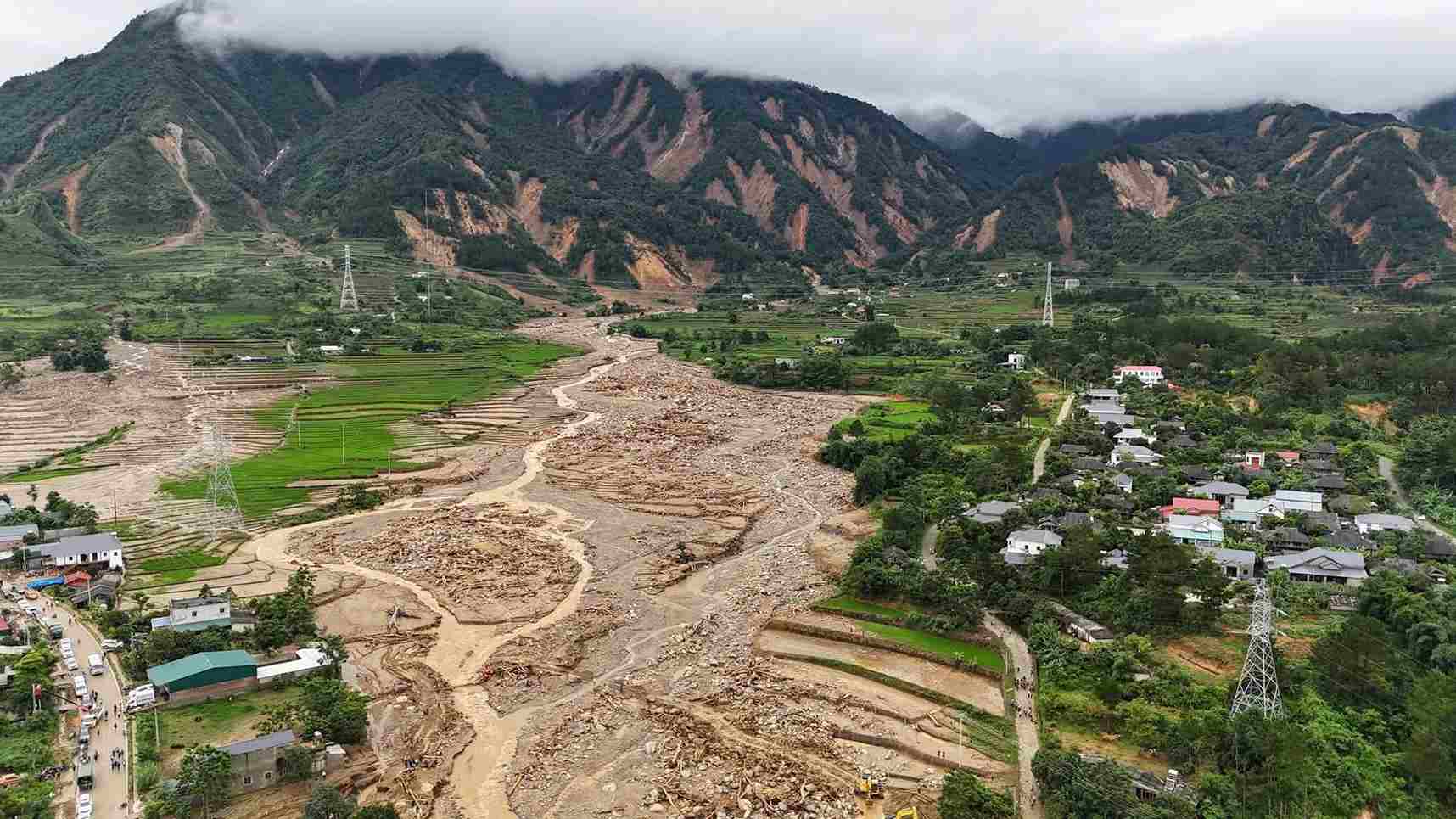
Typically, the flash flood occurred in Muong Than commune on July 17, killing 9 people and injuring 9 others.
Natural disasters also affected about 200 households in terms of housing; nearly 300 hectares of rice, crops and aquaculture areas were swept away and buried.
Many traffic, irrigation, school, electricity systems and essential infrastructure projects were damaged, with total estimated damage of over 250 billion VND.
From this reality, Lai Chau determines that proactively adapting to climate change and improving disaster prevention and response capacity is a key task in the coming time.
According to the direction of the Provincial People's Committee, departments, branches and localities are required to soon study El Nino forecast scenarios; regularly update hydrometeorological information, assess risks in each area to develop appropriate response plans.
The identified risks include prolonged hot weather, drought, lack of domestic and production water, depletion of water sources at reservoirs, and risk of forest fires.
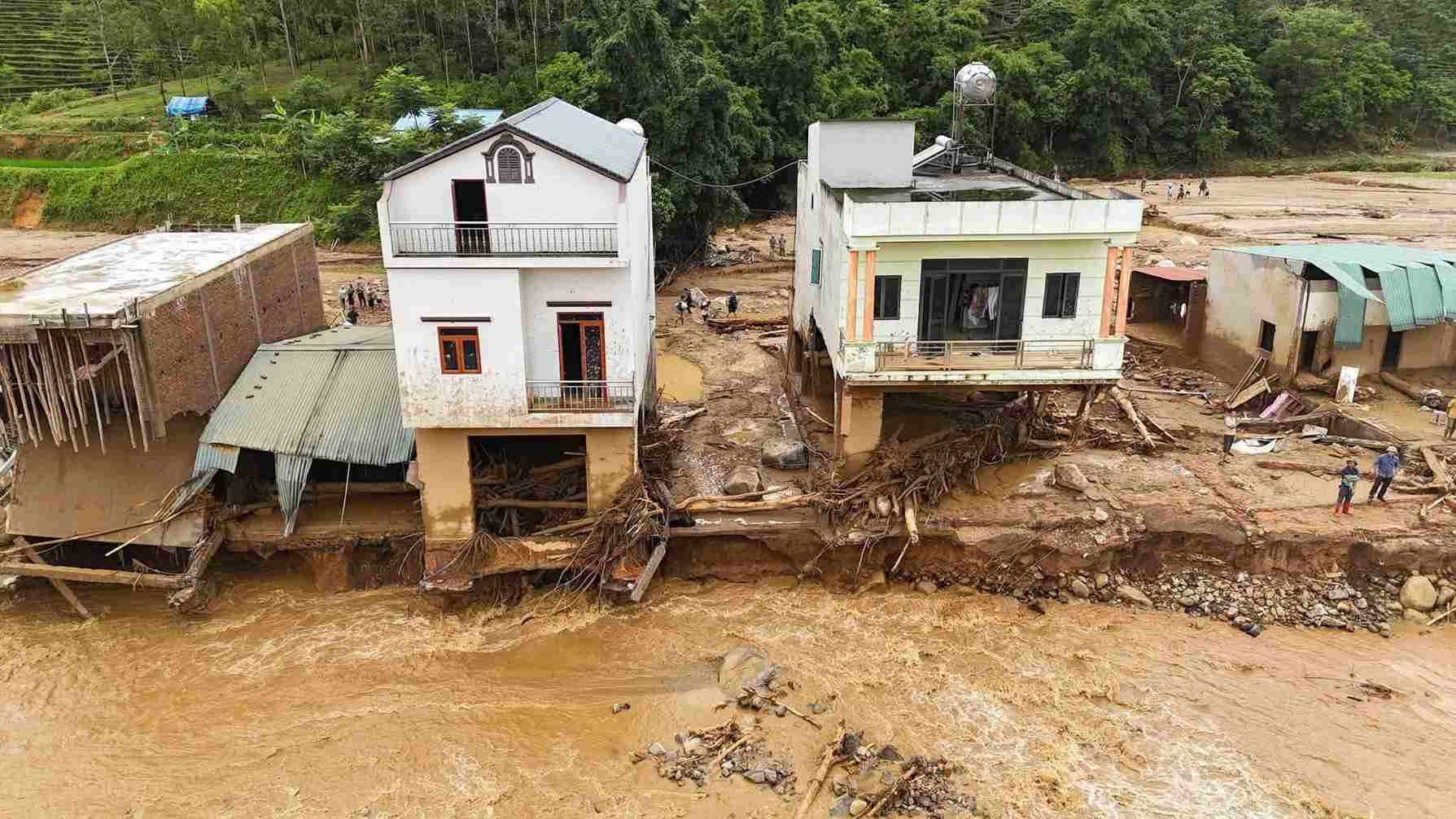
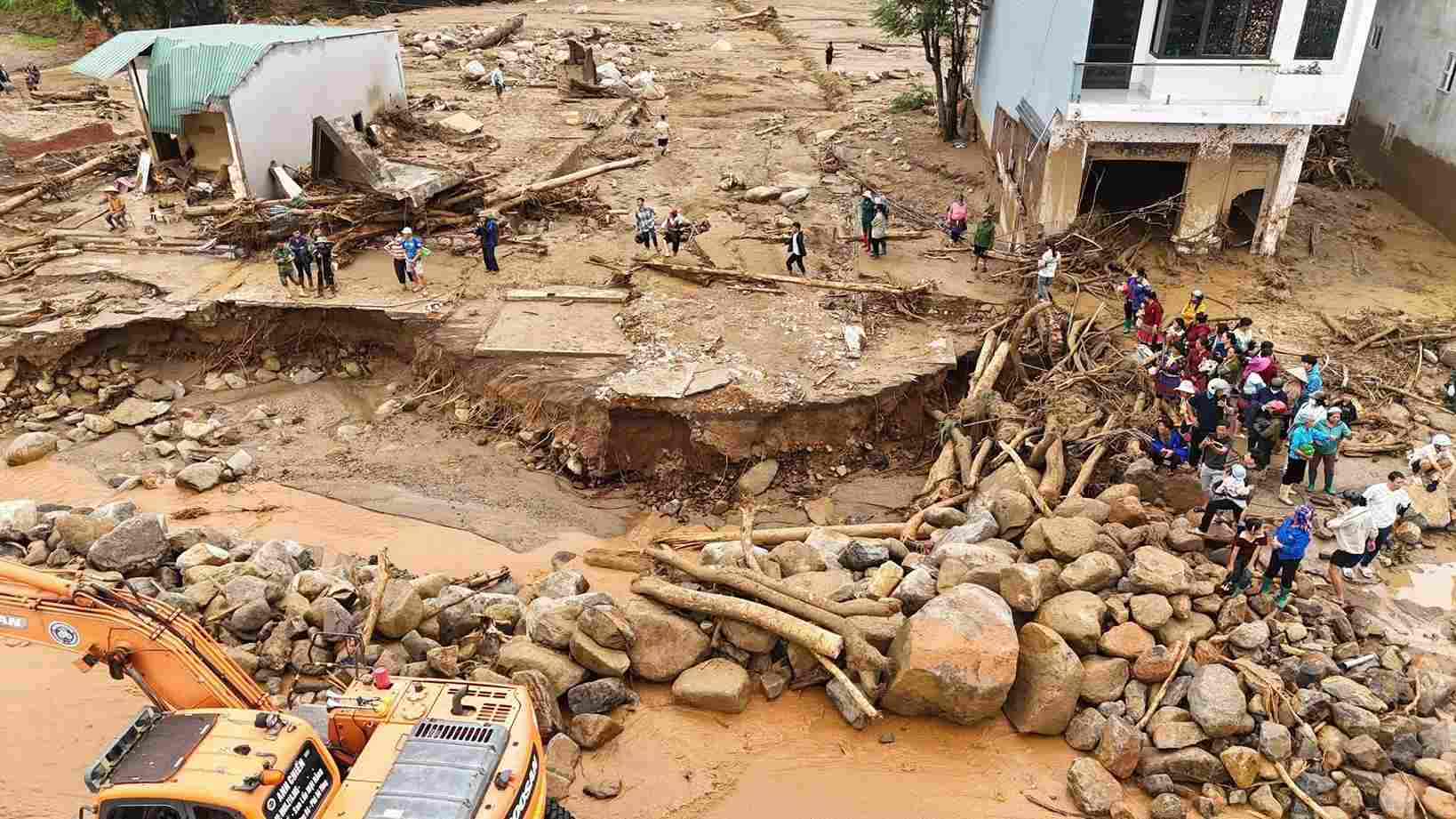
At the same time, there is still a potential for extreme heavy rain, flash floods, landslides, flooding and unsafety of irrigation and hydropower projects.
On that basis, functional sectors will review areas, projects and groups of high-risk subjects to prioritize monitoring and develop response plans that are close to actual conditions.
The Department of Agriculture and Environment is assigned to take the lead in monitoring climate change, reviewing water sources, reservoir systems and irrigation works.
Guiding localities to develop plans to ensure water sources for living and production when drought and water shortage occur.
At the same time, continue to update plans for disaster prevention and control, forest fire prevention and fighting; develop scenarios to adjust crop structure, use water sparingly and evacuate people when necessary.
In the field of energy, the Department of Industry and Trade coordinates with hydropower reservoir management units to closely monitor water inflow to the reservoir, develop appropriate operating plans, especially for works in the Da River basin.
The Department of Construction is assigned to review the capacity of the urban water supply system, proactively develop contingency plans in areas at risk of water shortage, and ensure safe water supply for people in prolonged hot weather or reduced water sources.
Along with that, military forces, police and functional forces maintain a state of readiness in terms of personnel and vehicles to carry out rescue, relief, forest firefighting, population relocation and ensure security and order when natural disasters occur.
The Provincial People's Committee also requested localities to strengthen monitoring of weather developments, review areas at risk of flash floods and landslides, prepare sufficient forces, supplies, and vehicles according to the "4 on-site" motto, proactively warn and evacuate people when dangerous situations occur.
Reservoir management units, irrigation works, hydropower and water supply must strictly implement operating procedures, strengthen safety inspection of works, use water resources economically and be ready to handle arising situations to limit damage.


