
According to the Plan, in 2026, Lao Cai province strives to reduce the multidimensional poverty rate by 1.5%; and at the same time synchronously implement policies on health, education, employment, housing, clean water, social insurance and social assistance.
In the health sector, this locality sets a target of an average life expectancy of 72.4 years; the rate of people participating in health insurance reaches 95%, the number of doctors reaches 13 doctors/10,000 people; the rate of people satisfied with health services reaches over 91%.
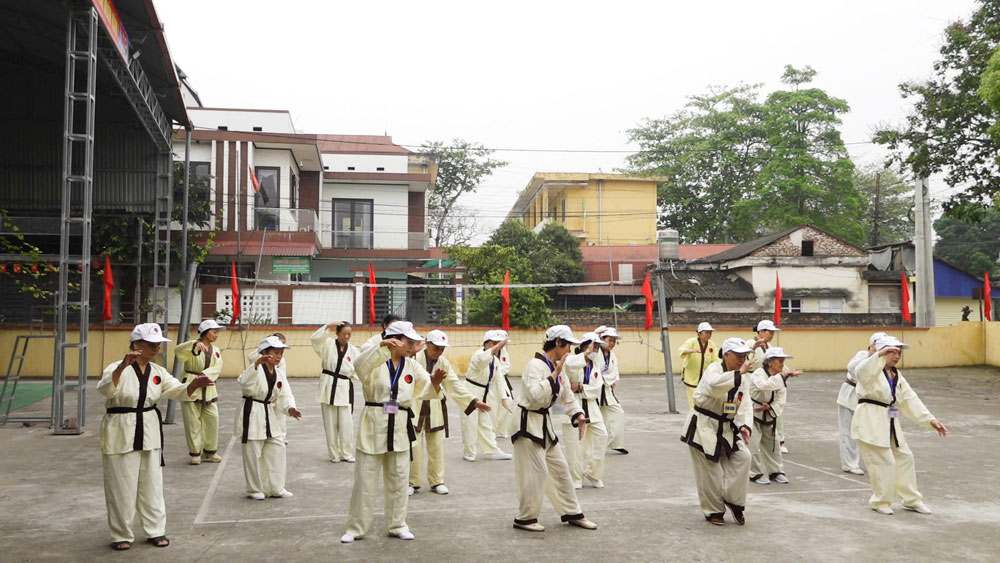
Regarding education, Lao Cai strives for 17 communes and wards to meet the standard of universal preschool education for children from 3 to 5 years old; 99 communes and wards to meet the standard of universal primary education level 3, secondary school level 2 and literacy level 2; the rate of trained workers reaches 71%...
Regarding job creation and social security, the province sets a target of creating new jobs for about 30,000 workers, including sending about 2,000 workers to work abroad under contracts; the proportion of agricultural labor in total social labor reaches 48.5%.
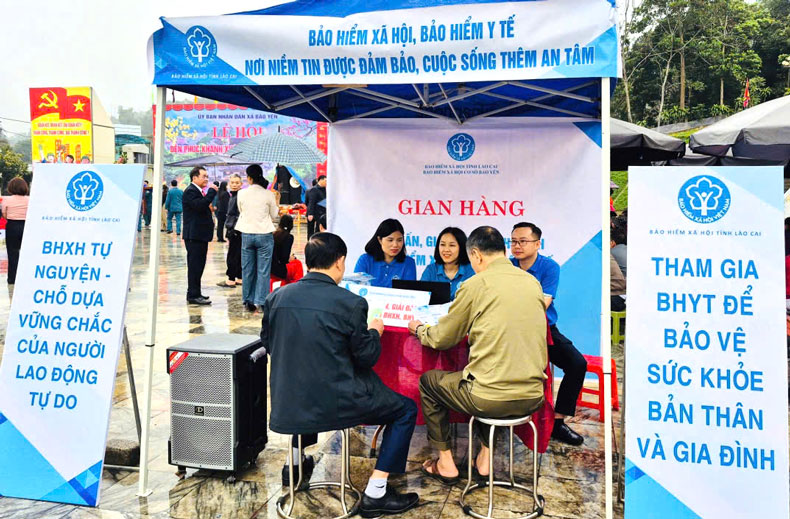
At the same time, support about 800 people with disabilities of working age to be created suitable jobs; ensure that 100% of people with disabilities who have needs and meet the conditions are entitled to preferential loans.
In the field of housing, the province plans to build 1,200 social housing units; continue to support housing for poor households, near-poor households and people with meritorious services according to the Central policy.
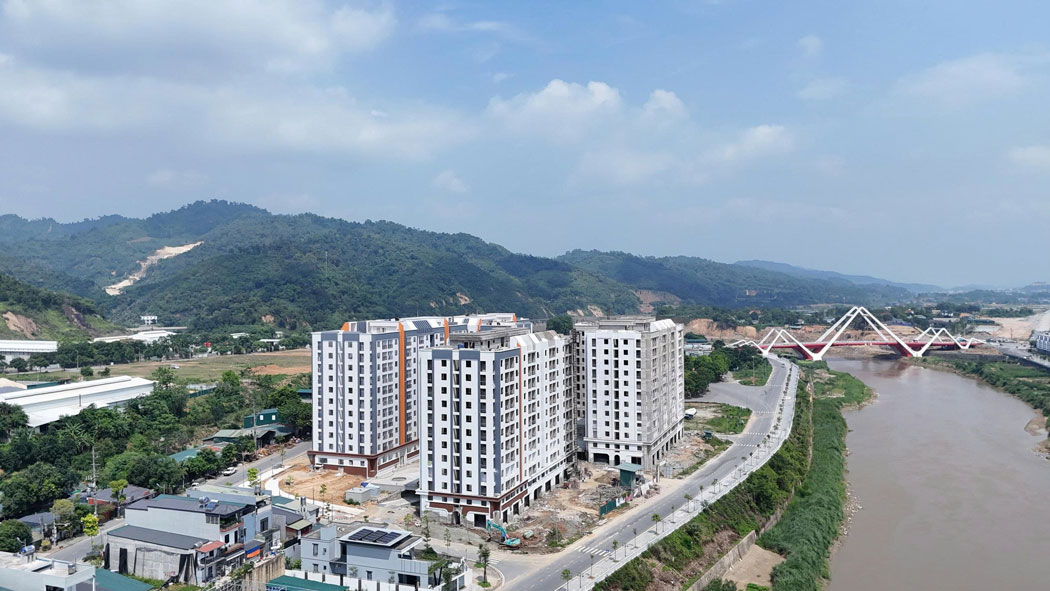
Lao Cai also focuses on investing in essential infrastructure, striving for 99% of villages and hamlets to have national grid electricity; 100% of rural population to use hygienic water; the rate of collection and treatment of domestic solid waste reaches 86%; people's happiness index reaches 69%; human development index (HDI) reaches 0.706 or higher.
To achieve the above goals, the province will focus on implementing many key tasks and solutions such as: reviewing and managing poor and near-poor households according to each target group to have appropriate support plans; integrating resources from national target programs, policy credit and socialization sources to support livelihoods, vocational training, job creation and increase income for people.
The total capital demand for the Project in 2026 is about 8,220 billion VND, of which budget capital is more than 4,342 billion VND, and the rest is non-budget capital and socialization.


