
There will be no more non-specialized positions at the commune level
According to the action program to concretize and effectively implement the Resolution of the 14th Party Congress, many important tasks assigned by the Central Government will be implemented in the second quarter of 2026 using budget resources.
One of the notable contents is the arrangement of villages and residential groups in communes and wards and non-specialized personnel in villages and residential groups to suit the requirements in the new situation.
Notably, when implementing the 2-level local government organization model, according to the 2025 Law on Organization of Local Government, there will be no more non-specialized positions at the commune level. This is causing many localities to find ways to arrange and resolve regimes for this force.
In that context, many non-specialized workers expressed their desire to be facilitated to continue working in the government system if they meet the conditions.
Ms. Dang Thi Dao (name changed, born in 1998) - Deputy Secretary of the Commune Youth Union in a commune of Lao Cai province - said that she hopes to have the opportunity to be recruited as a civil servant when she knows that the locality will streamline the positions of non-specialized personnel, including the position she is holding.
After graduating from Trade Union University, Ms. Dao decided to return to her hometown in a highland commune with more than half of the population being ethnic minorities to participate in Youth Union work. With her dynamism and closeness to local youth, she was trusted and elected as Deputy Secretary of the Commune Youth Union when she was only 23 years old.
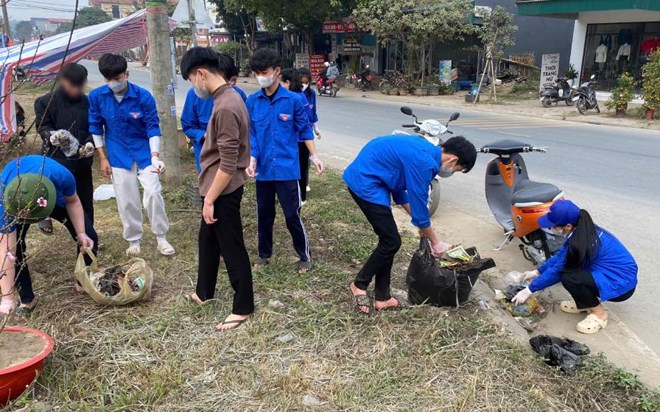
For nearly 5 years, Ms. Dao has participated in most of the movement activities in the locality, from propaganda on early marriage prevention, school drug prevention to mobilizing young people to enlist in the army, and organizing cultural and artistic activities for young people.
There are times when I go to mobilize young people, see them return to school or excitedly prepare to enlist, I feel my job is very meaningful" - Ms. Dao shared.
However, the allowance of about 3 million VND per month makes her life difficult. Outside of working hours, she has to sell clothes online and livestream in the evening to earn extra income.
According to Ms. Dao, the policy of streamlining the apparatus is necessary, but she hopes that young people who have been attached to work at the grassroots level will be considered for opportunities to continue contributing, for example, to be recruited as civil servants if they meet the conditions.
Proposal to receive into civil service
Not only Ms. Dao, many non-specialized workers in communes are also sharing the same thoughts.
Ms. Dinh Thi Thuy (born in 1990, Lao Cai province) - who has been attached to the work of the Commune Women's Union since 2011 - said that she has gone to most villages in the commune to mobilize members to participate in activities, propagate early marriage prevention, population policies and build a new lifestyle.
As a non-specialized worker at the commune level, Ms. Thuy currently receives an allowance of about 4 million VND per month according to local regulations.
I hope the State will have policies to support the reception of civil servants or create conditions for borrowing capital to develop the economy in the locality, so that those who have been attached to work at the grassroots level for many years are not left behind," Ms. Thuy expressed.
Regarding this issue, the Ministry of Home Affairs is drafting a Decree amending and supplementing Decree 170/2025/ND-CP on recruitment, use and management of civil servants.
According to the new proposal, some subjects such as civil servants, salaried people in the armed forces and non-specialized workers at the commune level before July 1, 2025, when considered for recruitment into civil servants, must have at least 5 years of working in positions requiring appropriate professional qualifications and have compulsory social insurance contributions. The working time can be accumulated if they have not received one-time social insurance.


