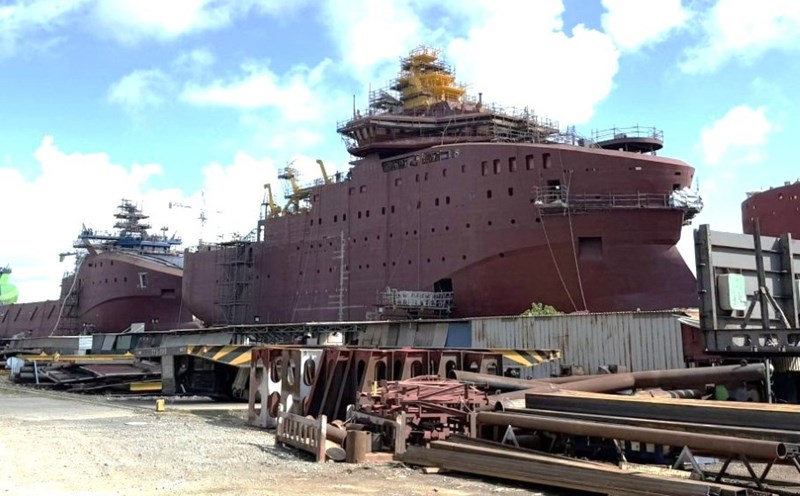
A livelihood associated with the river
Located next to the Hau River, in the boat and ship factory in Phu Huu commune (An Giang province), the sound of wood cutting, the sound of clamping hammers still resonates regularly. The workers diligently work by the boat's hull, diligently carving each piece of wood. Sweat soaks the backs of their shirts, calloused hands quickly measure, carve, and assemble each piece of wood, keeping the rhythm of persistent labor of the riverside craft village.
Mr. Nguyen Van Sang - owner of a shipbuilding and boat repair facility (Phu Huu commune, An Giang province) - said: "Thousands of years ago, my father did this job. Growing up, I also followed my father to the river wharf, getting used to the smell of wood and olive oil from a young age. At that time, many workers in the hamlet lived by building boats and canoes, working day and night without having time to deliver them.
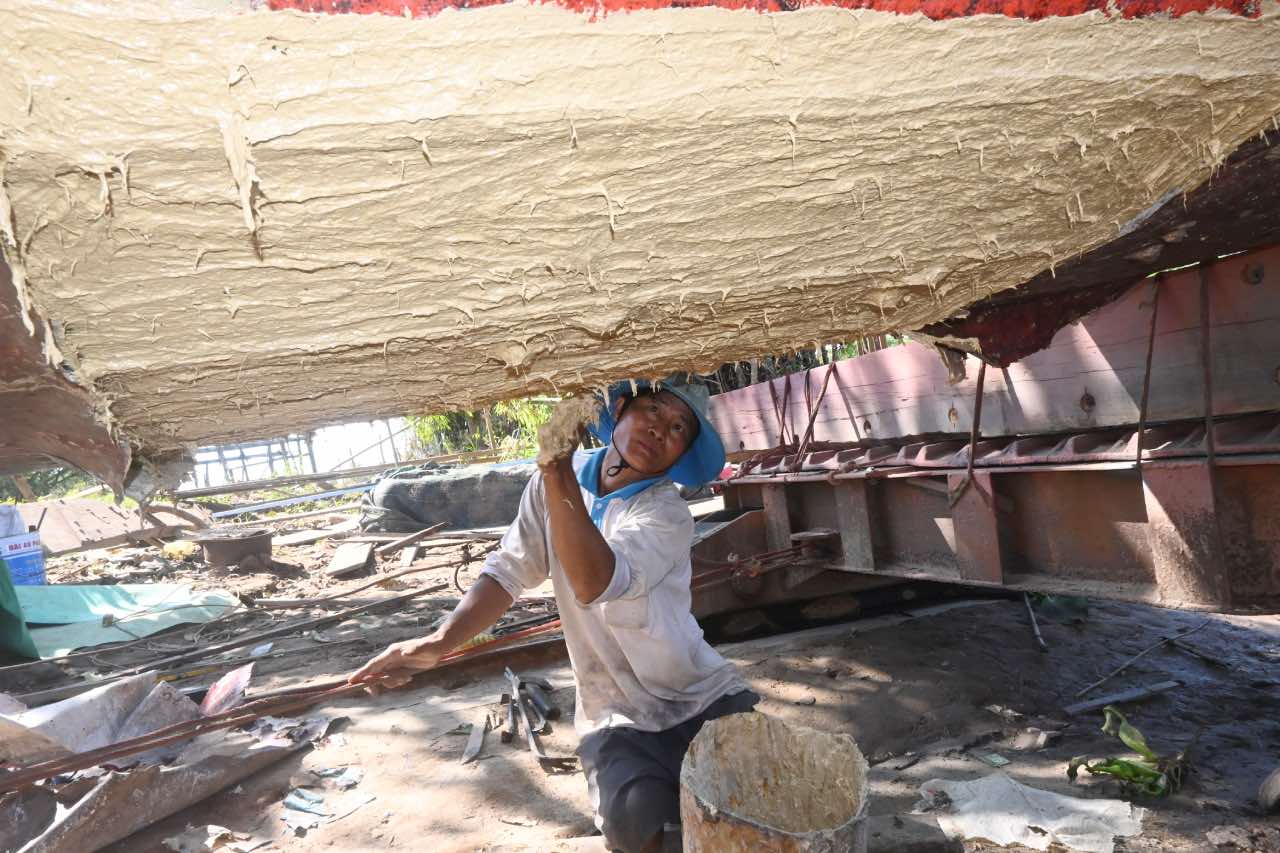
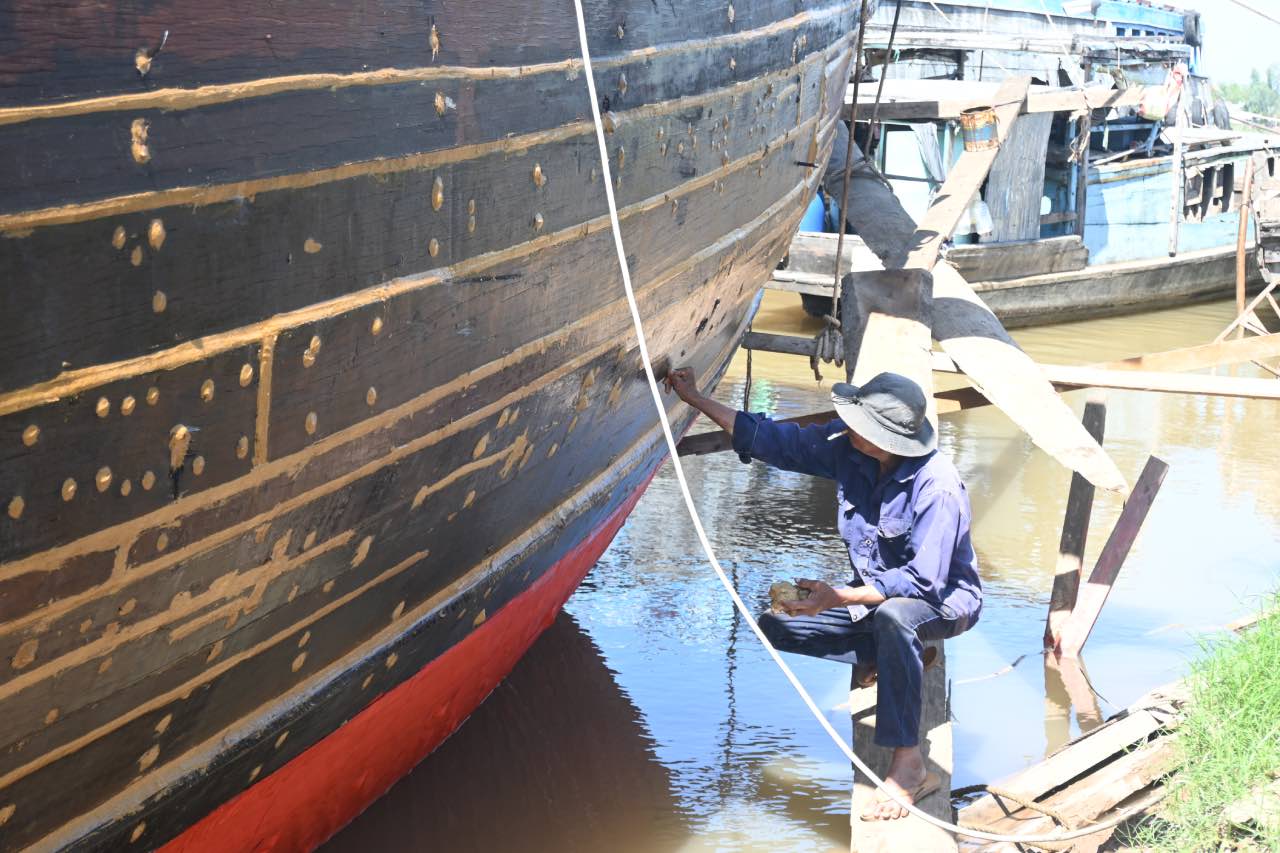
According to Mr. Sang, boats and canoes used to be the main means of transportation for riverine residents in the Southern region. From three-wheeled boats and three-season boats serving daily travel, to fishing boats, fishing net boats, and merchant boats carrying goods. Each type of boat has its own appearance, suitable for each type of water and each purpose of use. The craft of building boats and canoes therefore requires artisans not only to have health but also to have experience, sophistication and deep understanding of rivers and waters.
After building this boat, the craftsman starts another boat. Although the income is not high compared to many other professions, it is enough to support the family and send children to school. However, in the past ten years, along with the development of road transport, light, durable composite motorboats, cheap prices, and steel boats gradually replaced traditional wooden boats. The demand for building new boats and wooden boats has decreased sharply," Mr. Sang said.
Living by repairing old boats
Having been attached to the traditional wooden boat and shipbuilding profession for more than 25 years, Mr. Vo Tuan Anh, residing in Cho Moi commune (An Giang province), said: "Although it is no longer the golden age, the boatbuilding profession on the Hau River has not completely disappeared. Instead of building new ones, the workshop currently mainly repairs old boats and canoes, especially troubled boats specializing in transporting seafood.
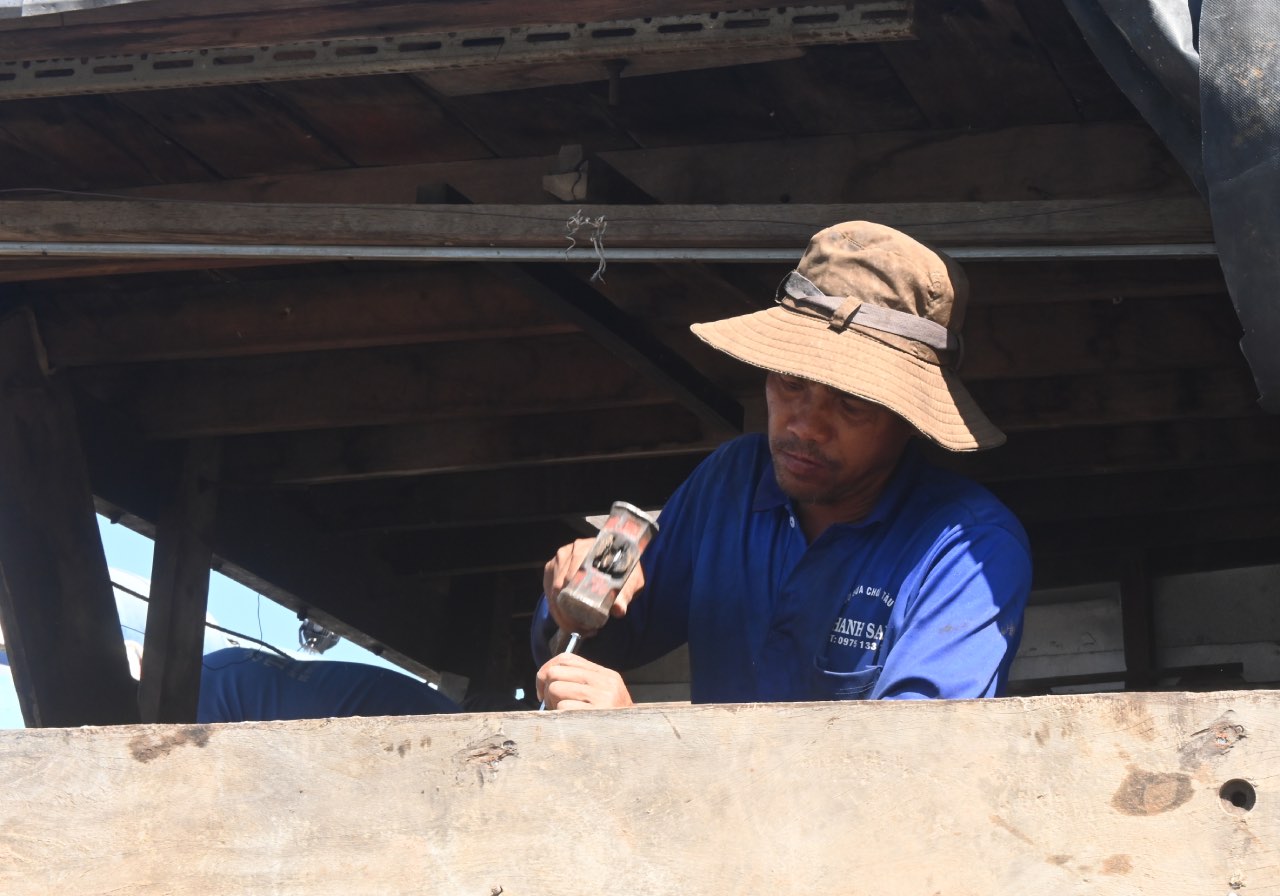
According to Mr. Tuan Anh, this is a large-sized boat type, often operating on the river, strongly affected by water and tonnage, so it degrades quickly. “Now that I work in the profession, I live by repairing boats. Boats carrying fish all the time, encountering many collisions, boat bottoms rotting, boat beams cracking, I have to bring them to the repair shop. Every year repairing dozens of boats, enough to make ends meet,” Mr. Anh shared.
Mr. Tuan Anh informed that the repair work requires craftsmen to be as meticulous as building new ones. From changing bottom panels, scraping bottles, rebuilding boat sides to waterproof paint, each stage requires experience to ensure the boat operates safely. “Some boats can still look good from the outside but the inside is completely rotten. If you are not skilled, repairing them thoroughly is very dangerous for users,” Mr. Tuan Anh said.
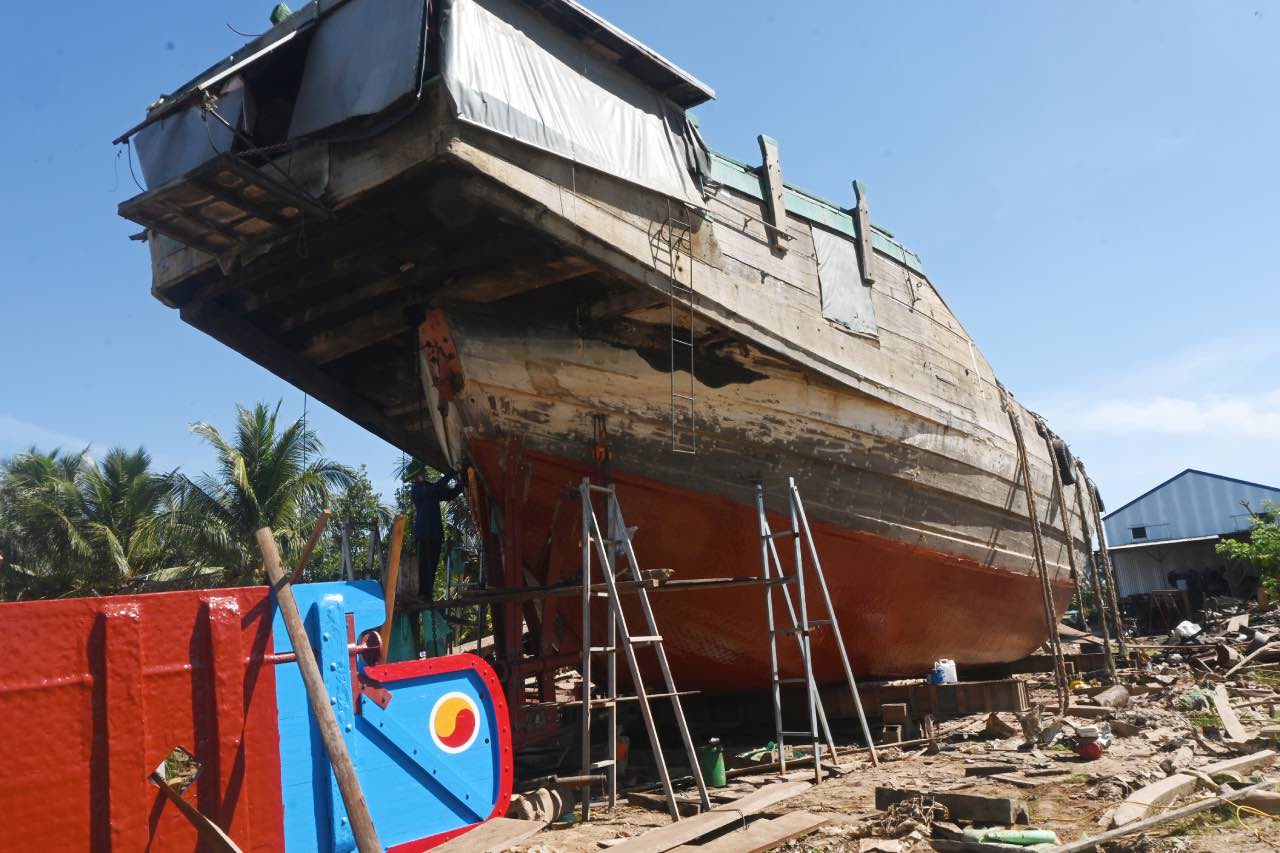
Mr. Huynh Phuoc Sang (26 years old, residing in Phu Huu commune, An Giang province) - a ship and boat repair worker said that although his income is not high, he is still attached to the profession because he is familiar with his hands and work. "Each month I earn about 8 - 9 million VND. Not abundant but enough to take care of my family. The important thing is that I still have work at home," Mr. Sang shared.
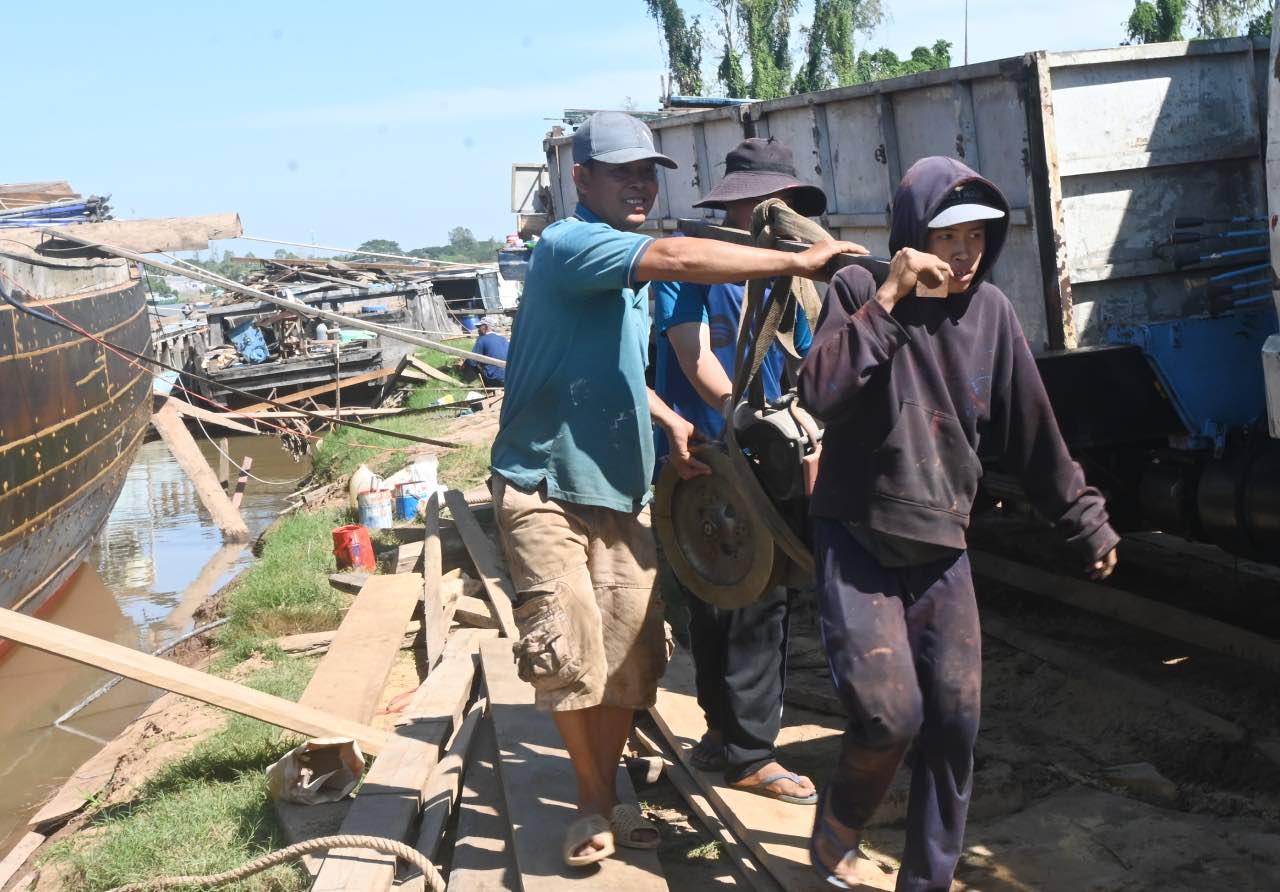
Mr. Nguyen Van Sang - owner of a shipbuilding and boat repair facility - expressed: "What we expect is not only stable income but also concern and recognition so that traditional crafts do not fade away. Combining preserving craft villages with supporting training and transferring iron shipbuilding techniques, supporting loans to improve workshops... are considered directions that can help the boatbuilding profession survive.
According to Mr. Sang, in addition to maintaining the traditional shipbuilding and wooden boat profession, the facility has also gradually switched to building more iron ships to serve agricultural product transportation, meeting the actual needs of people in riverine areas in the new context.
It's a bit of a bit of a bit of a bit of a bit of a bit.