
After arranging and merging villages and residential groups, many localities in Hanoi have seen a team of young group leaders with new approaches, promoting the application of technology in management and serving people.
From July 1, 2026, after completing the task of Chairman of the Lang Ward Red Cross Society, Ms. Dinh Thi Hai (born 1981) was assigned to be the interim Head of Residential Group 4, Lang Ward (Hanoi City) managing more than 1,000 people.
Although formerly Deputy Head of the Residential Group, Ms. Hai said that the area after the merger is wider, the workload has increased significantly, requiring rapid adaptation.
After more than 3 weeks in her new position, Ms. Hai has scientifically arranged her work, effectively handling regular and arising tasks.
According to Ms. Hai, the biggest challenge is not the workload but building trust with the people, especially when many people expect young officials to have innovative thinking but are also concerned about practical experience.
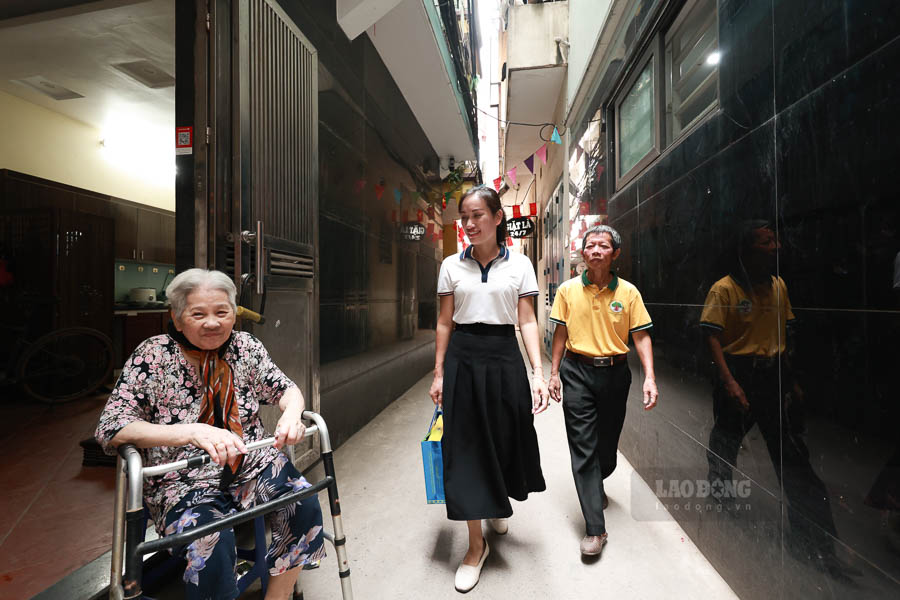
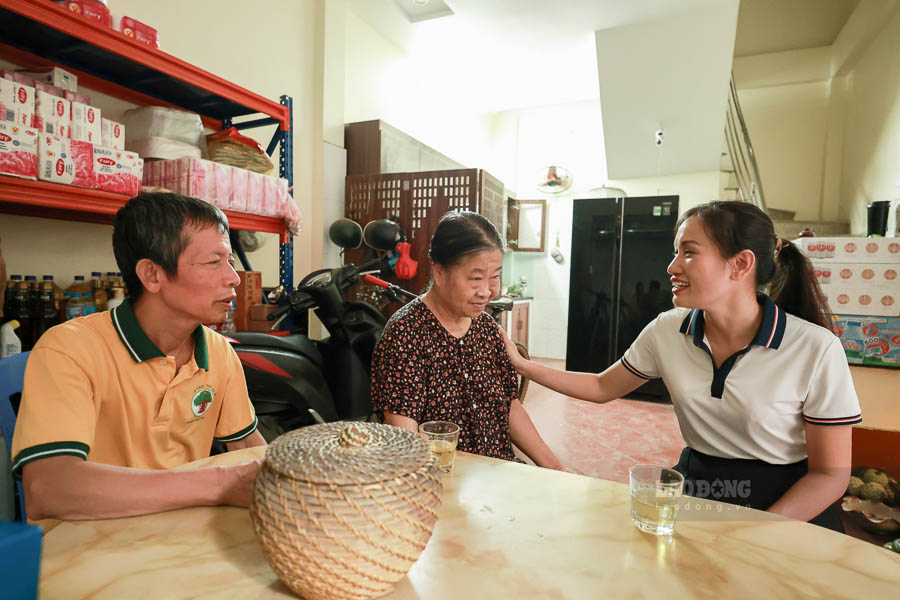
Promoting technological advantages, Ms. Hai established a Zalo group of the residential group to promptly update directives and notices from the government and information on activities in the area. This approach helps people access information faster, while increasing publicity and transparency in the process of task implementation.
According to Ms. Hai, after implementing the two-level local government model, the number of documents and tasks transferred from the Ward People's Committee has increased. The application of technology and process digitization contributes to shortening work processing time and improving operational efficiency.
Mr. Ha Van Hai, Deputy Head of Residential Group 4, Lang Ward, said that the current head of a residential group not only needs prestige but also has the ability to organize, manage and apply information technology. Mastering technology helps to quickly implement the directions of the government, creating consensus among the people.
Reality in many localities shows that the team of young village heads and residential group leaders is contributing to innovating management methods at the grassroots level, promoting digital transformation, narrowing the gap between government and people, towards a modern, transparent and more effective administration.
From July 1, 2026, Hanoi city will implement new regulations on the organization and operation of villages and residential groups; titles, quantities, regimes, and policies for non-specialized workers in villages and residential groups according to Resolution No. 21/2026/NQ-HDND officially approved by the City People's Council on June 2, 2026.
Regarding the standards for Village Heads, Neighborhood Group Leaders and Deputy Village Heads, Deputy Neighborhood Group Leaders in Hanoi, Resolution No. 21/2026/NQ-HDND states a number of contents such as:
Being a Vietnamese citizen, permanently residing in villages and residential groups under commune-level administrative units; from 21 years old and up and not over 70 years old, priority is given to people of working age according to regulations; special cases over 70 years old are considered and decided by the commune-level People's Committee; having sufficient health to complete assigned tasks.
Have good ethical qualities, be exemplary; have prestige in the residential community; be trusted by the people; be exemplary in ethics, lifestyle, and well comply with the Party's guidelines and the State's laws.
Having a high school graduation level, professional qualifications from intermediate level or higher suitable to the operating requirements of villages and residential groups. In case the area has difficulties in personnel sources or has specific factors in population conditions, history, culture, customs, and habits, the commune-level People's Committee shall consider and decide on people with qualifications suitable to actual conditions but must ensure prestige, health, capacity to mobilize people and the ability to complete tasks...


