
Heavy damage in industrial shrimp farming areas
On April 17, the Ca Mau Department of Agriculture and Environment said that it had initially summarized the damage situation of aquaculture due to prolonged heat waves.
According to the Department of Agriculture and Environment of Ca Mau province, from January 1 to April 7, 2026, the whole province had 1,323.25ha of aquaculture damaged on a total farming area of 439,237ha, an increase compared to the same period last year.
In which, the super-intensive shrimp farming model, intensive and semi-intensive farming damaged 246.55ha - the farming group most heavily affected among industrial shrimp models with large investment capital. The extensive shrimp farming model, improved extensive farming damaged 96.7ha. The area of crab farming damaged 396ha, blood cockle farming damaged 584ha.
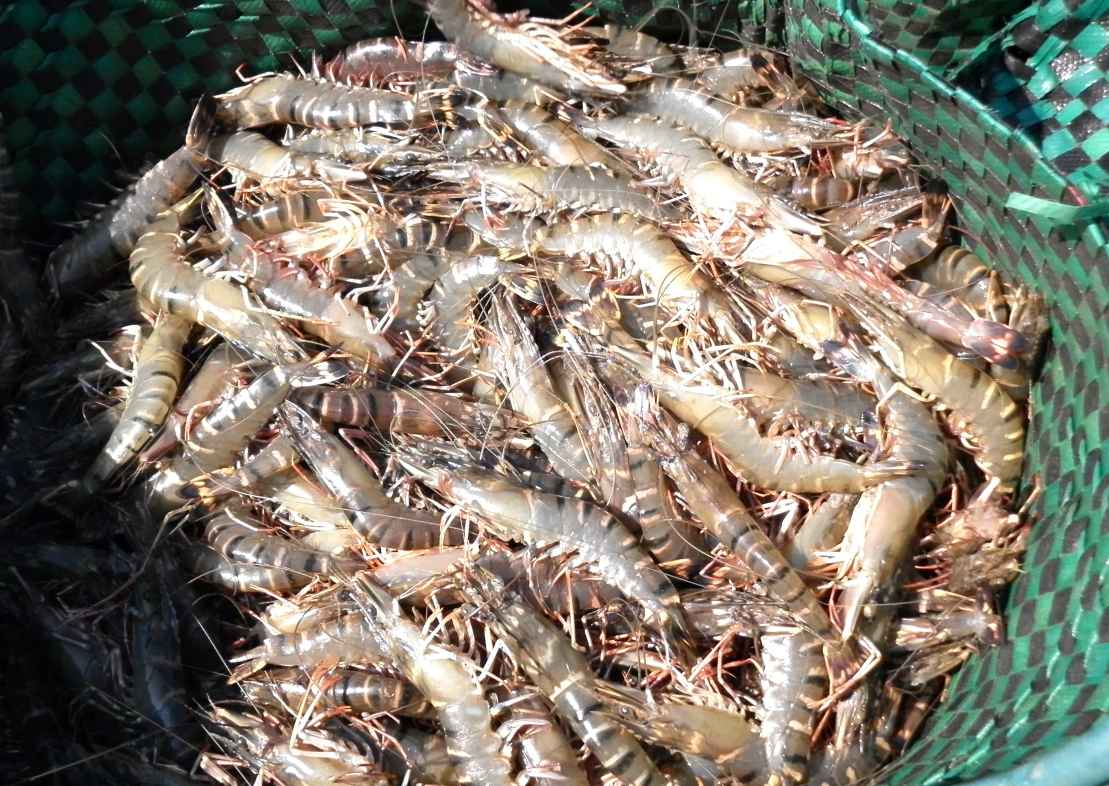
Most of the damaged shrimp area occurs in the period from 20 to 80 days old. This is the time when farmers have spent a lot of money on seeds, feed, electricity for running water fans, biological products and labor for care, so when shrimp die, it will cause great financial pressure.
Mr. Nguyen Van Hung, a shrimp farmer in Gia Rai ward, said that for more than a month, many farming ponds have continuously changed the environment after prolonged hot sun spells.
At noon, the pond water heats up very quickly, and in the late afternoon, the temperature drops again. Shrimp eat less, emerge, and grow slowly. Industrial farming invests heavily, so just a few days of loss is severe damage," Mr. Hung said.
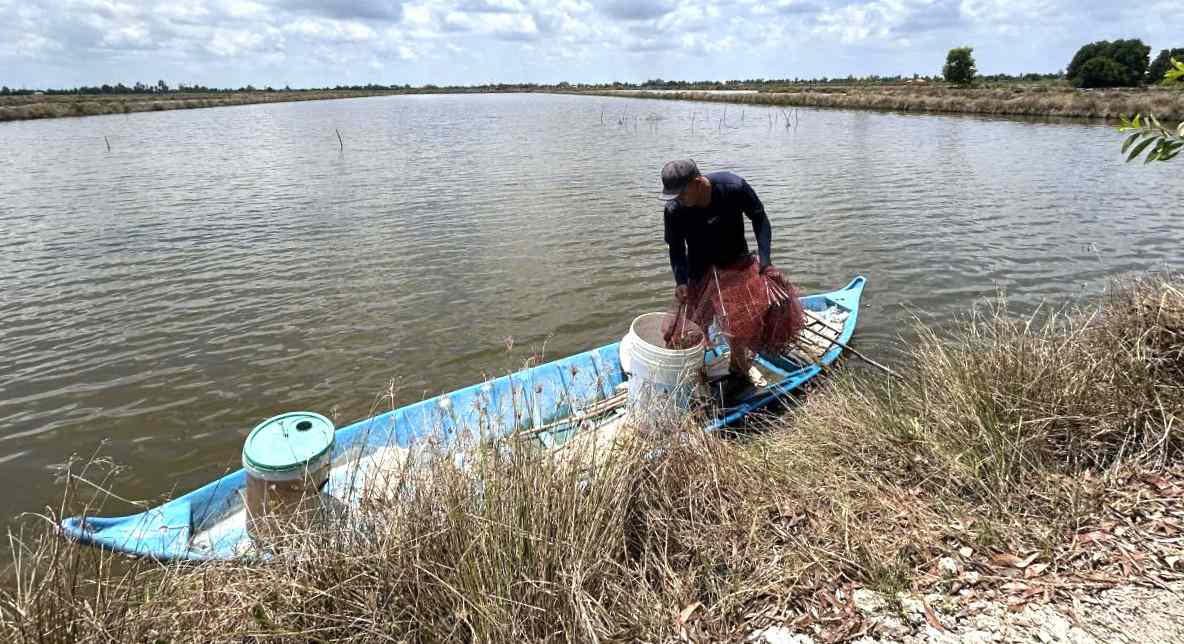
According to many farming households, intensive and super-intensive farming models release high density, largely dependent on water fans, dissolved oxygen and water quality, so they are very sensitive when the weather changes suddenly.
Prolonged heat, increased risk of epidemics
The Department of Agriculture and Environment of Ca Mau province said that the biggest cause of damage is severe heat, accounting for 59% of the total damaged area, equivalent to 776.7ha.
Extreme weather causes pond water to evaporate strongly, water level decreases, pond water becomes shallower and denser than normal, leading to increased temperature and salinity. When the environment fluctuates greatly between day and night, shrimp are easily shocked, reduced resistance, creating conditions for pathogens to develop.
In addition to the impact of weather, the locality also recorded acute liver and pancreatic necrosis causing damage to 76.64ha; white spot disease 27.23ha; microspore disease 34ha.
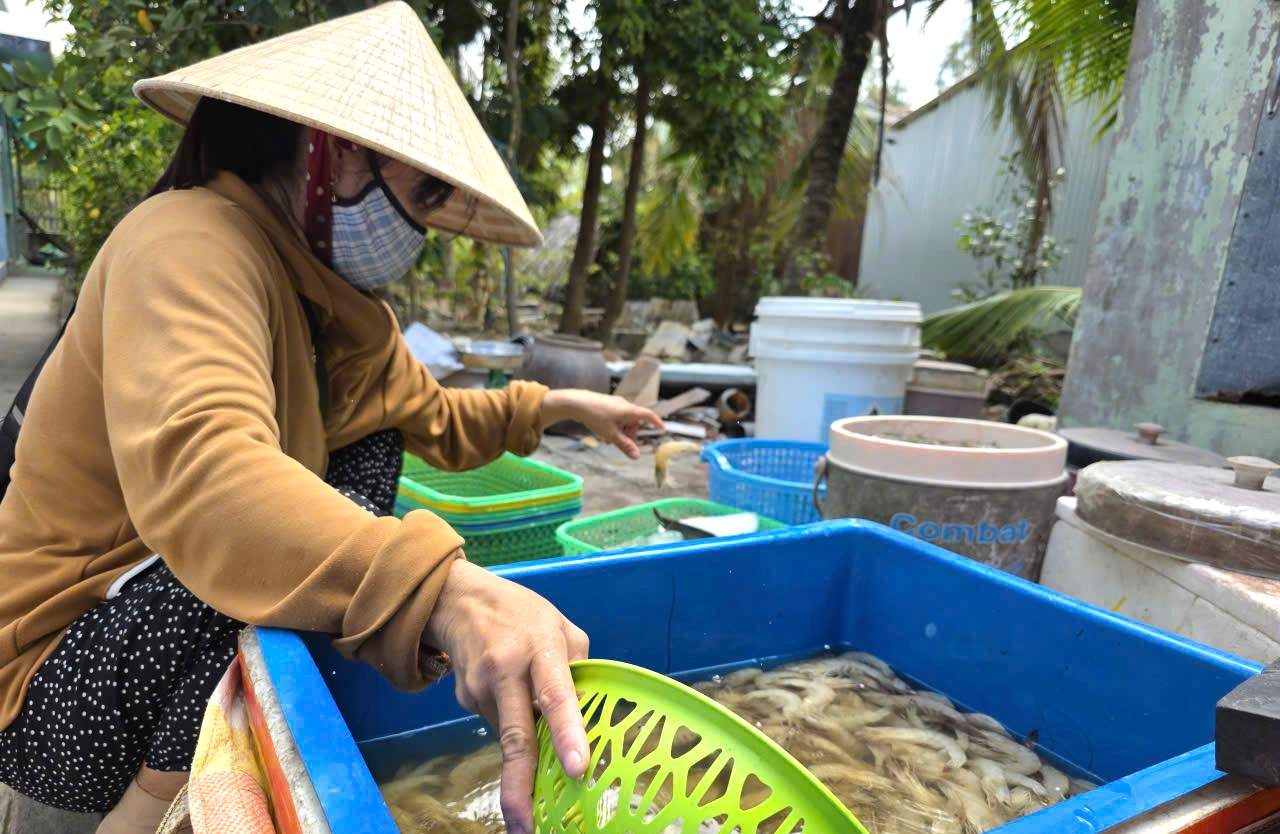
Currently, Ca Mau is entering the main aquaculture season in 2026, with a shrimp farming area of 422,194ha out of a total aquaculture area of 439,237ha.
Faced with the above situation, the Department of Agriculture and Environment of Ca Mau province has reported to the Provincial People's Committee requesting the Central Government to support 50 tons of chlorine from the national reserve to disinfect and treat damaged farming ponds, limiting disease spread to a wide area.
Previously, in 2025, the province's specialized agency provided support of more than 7 tons of Chlorine to treat 15.59ha of intensive and super-intensive shrimp farming areas that were damaged. The amount of reserve chemicals in the locality is no longer much when the hot season just begins to enter its peak.
The Department of Agriculture and Environment of Ca Mau province recommends that people not release seeds massively when the weather is not stable; regularly check salinity, temperature, pH, dissolved oxygen; maintain a suitable water level and increase water fans during hot weather.
Farmers are also recommended to choose breeds of clear origin, release them on schedule, supplement minerals and probiotics to increase shrimp resistance. When detecting abnormal signs in shrimp, it is necessary to immediately report to local technical staff to take samples for testing, avoiding self-treatment to spread the disease.
If hot weather continues in the coming months, the risk of mass shrimp deaths in intensive and super-intensive farming areas is entirely possible, especially in high-density farming ponds, poor environmental management or lack of additional water sources.


