
The Ho Chi Minh City Department of Construction has just sent a document to the Ho Chi Minh City People's Committee on the plan to organize the groundbreaking ceremony for key infrastructure - transportation projects on January 15, 2026 to celebrate the 14th National Party Congress.
The central bridge point is the groundbreaking ceremony of the Rach Chiec National Sports Complex project, expected to have the participation and direction of leaders of the Central Government, the Government, the City Party Committee and the People's Committee of Ho Chi Minh City.
The remaining bridge points include: Groundbreaking ceremony of Metro Line No. 2 (Ben Thanh - Tham Luong); groundbreaking ceremony of Can Gio bridge project; groundbreaking ceremony of Phu My 2 bridge project.
Rach Chiec National Sports Complex
Rach Chiec National Sports Complex is located in An Khanh ward, with a scale of more than 186 hectares, with a total estimated investment of about 145,629 billion VND.
The project includes many functional areas, focusing on the cultural - sports area with a capacity stadium of 65,000 - 75,000 seats, a gymnasium of about 18,000 seats, along with water sports, tennis, general and multi-purpose sports centers.
In addition, there are urban service - public areas serving athletes and coaches; squares, sports hospitals, conference - exhibition centers,...
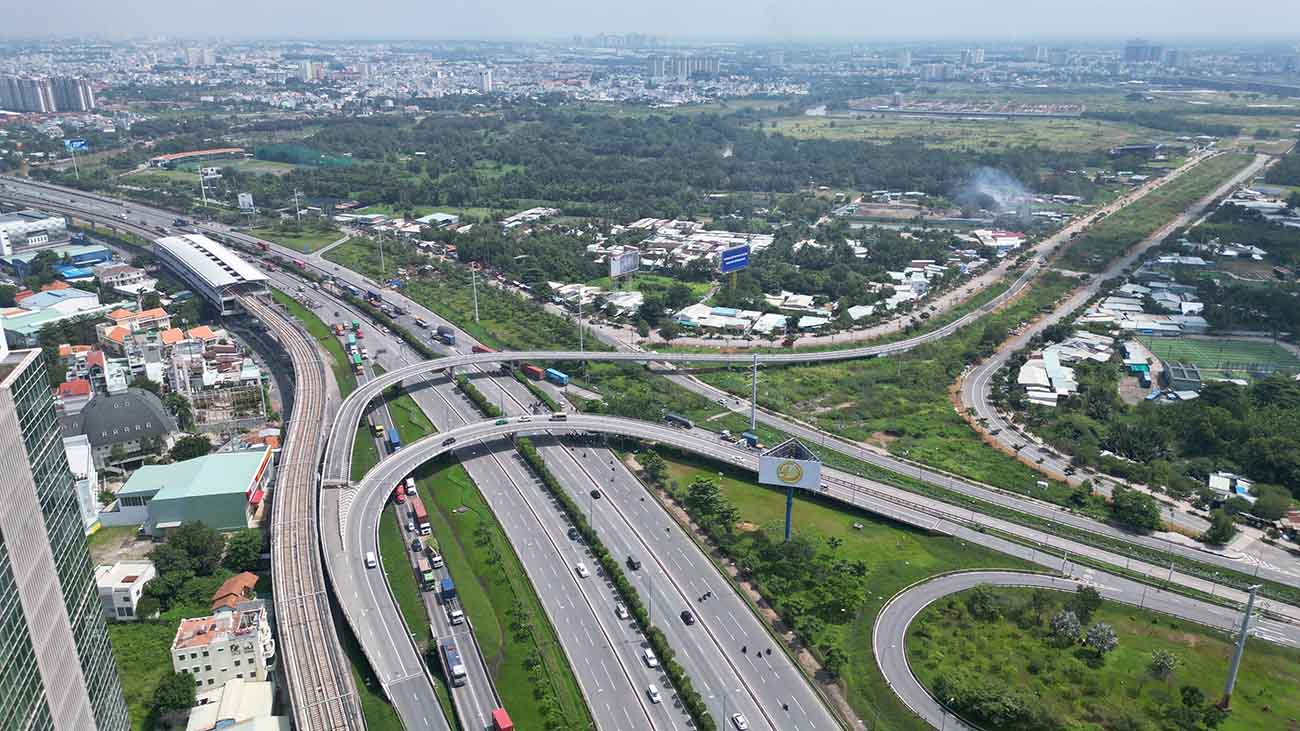
The project applies the BT contract (build - transfer) form, investors mobilize 100% of capital to build and hand over the entire complex to the State for management and exploitation. Ho Chi Minh City does not pay with the budget but uses the land fund to recover capital for investors.
Metro Line 2
Metro Line No. 2 (Ben Thanh - Tham Luong) has a total length of nearly 11.27 km, including 10 underground stations, 1 elevated station and Tham Luong depot, passing through 14 wards in the central area and the Northwest gateway of Ho Chi Minh City.
The project was approved in 2010 with ODA capital, but has been slow to implement for a long time and has now been converted to public investment.
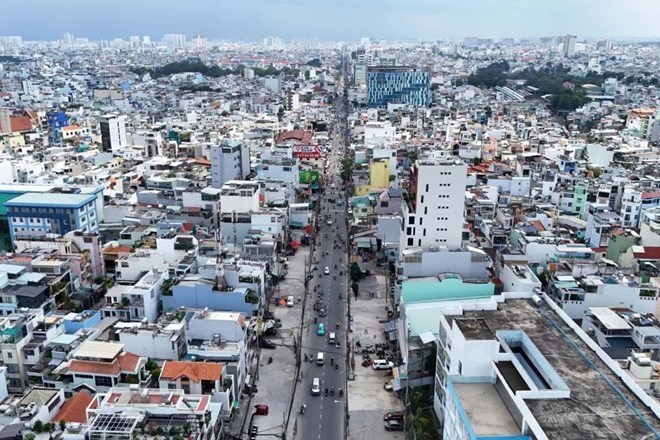
According to the plan, the project will construct and install equipment in the period 2026 - 2030, expected to be put into operation in December 2030.
The total investment is expected to be adjusted from 47,891 billion VND to about 57,000 billion VND, an increase of nearly 10,000 billion VND due to scale expansion, technology update and price slippage factors.
Can Gio Bridge
The Can Gio bridge project has a total length of about 6.3 km, of which the section over the Soai Rap River is nearly 3 km long, and the rest is the access road system and bridges on the route.
The bridge is designed with 6 lanes, a design speed of 80 km/h, a cable structure with two tower pillars, and a fairway of 55 m.
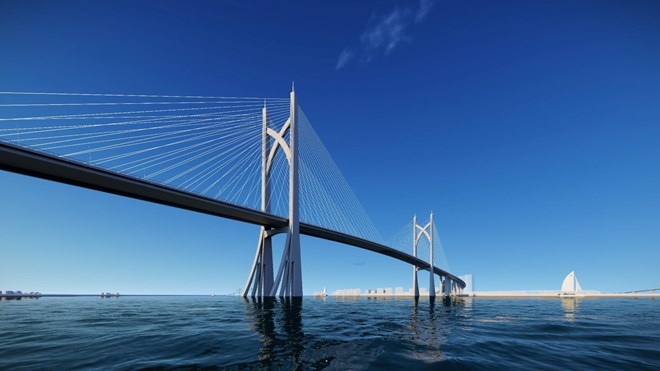
The preliminary total investment of the project is about 13,201 billion VND, of which the compensation, support, and resettlement part uses Ho Chi Minh City budget capital; the bridge construction part is implemented according to the BT contract.
Expected to be completed in 2029, Can Gio bridge will replace Binh Khanh ferry, directly connecting Can Gio district with the center of Ho Chi Minh City, creating strong development momentum for the southern coastal area of the city.
Phu My 2 Bridge
On January 15, 2026, Ho Chi Minh City also held a groundbreaking ceremony for the Phu My 2 bridge project, with the starting point intersecting Nguyen Huu Tho street (Ho Chi Minh City), the ending point intersecting Lien Cang street (Dong Nai), with a total length of about 6.3 km, of which the section passing through Ho Chi Minh City is 4.6 km long.
The bridge is invested with 8 lanes (6 car lanes, 2 mixed lanes). Some sections on the route will build two-story elevated roads to increase traffic capacity and limit site clearance.
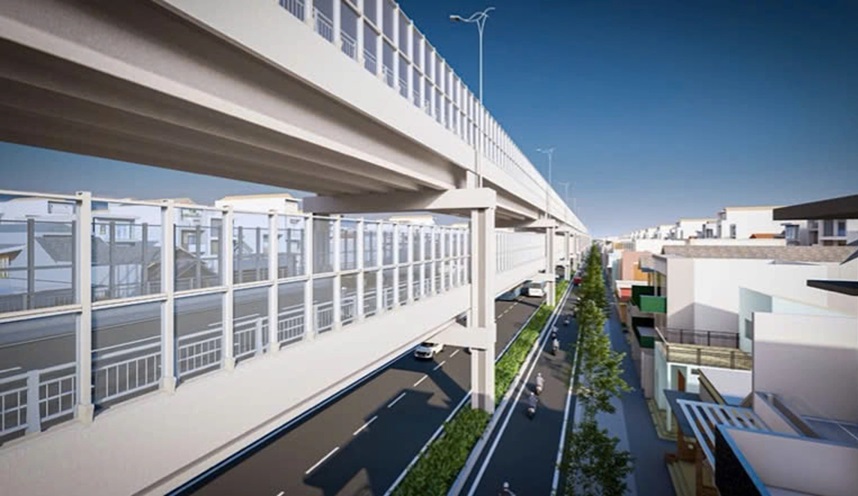
The preliminary total investment of the project is about 23,185 billion VND, of which the cost of compensation, site clearance and resettlement is about 4,365 billion VND. The project is implemented under a BT contract, paid by the land fund and the Ho Chi Minh City budget.
Expected to be completed in 2029, Phu My 2 bridge will form a new connecting axis between the South of Ho Chi Minh City and Dong Nai, adding access to Long Thanh International Airport.


