
Simultaneous commencement on September 2, 2026
The entire Ring Road 4 is about 207 km long, passing through Ho Chi Minh City, Dong Nai and Tay Ninh (after the merger). In which, the 47 km section through Binh Duong province (before the merger) was started in June 2025.
The remaining sections with a total length of about 160 km, with a total capital of more than 1,204 billion VND, have been approved for investment policy by the National Assembly in June 2025.
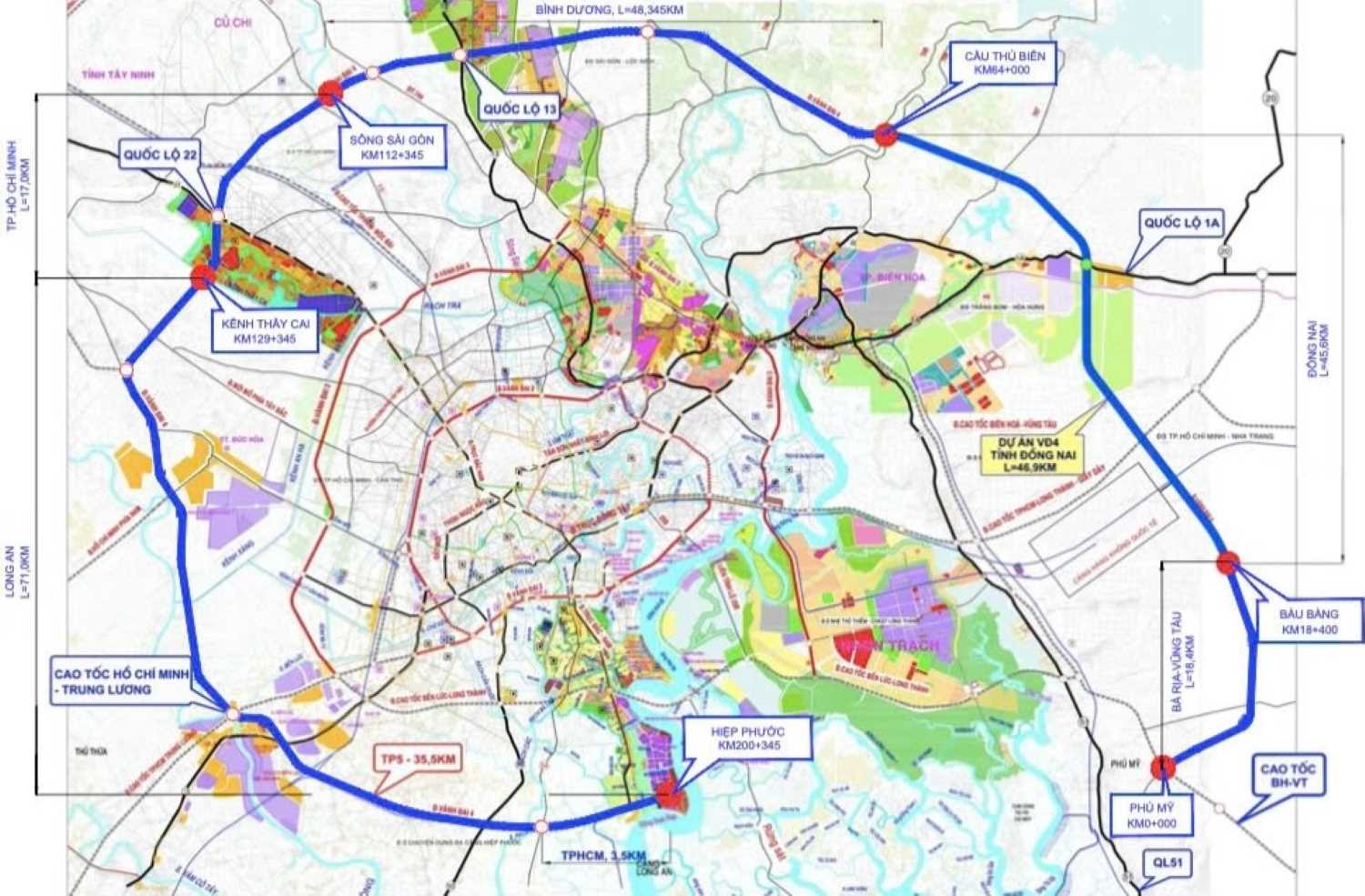
After merging with Ba Ria - Vung Tau and Binh Duong, the length of the route passing through Ho Chi Minh City increased from about 17 km to nearly 83 km - the longest on the entire route.
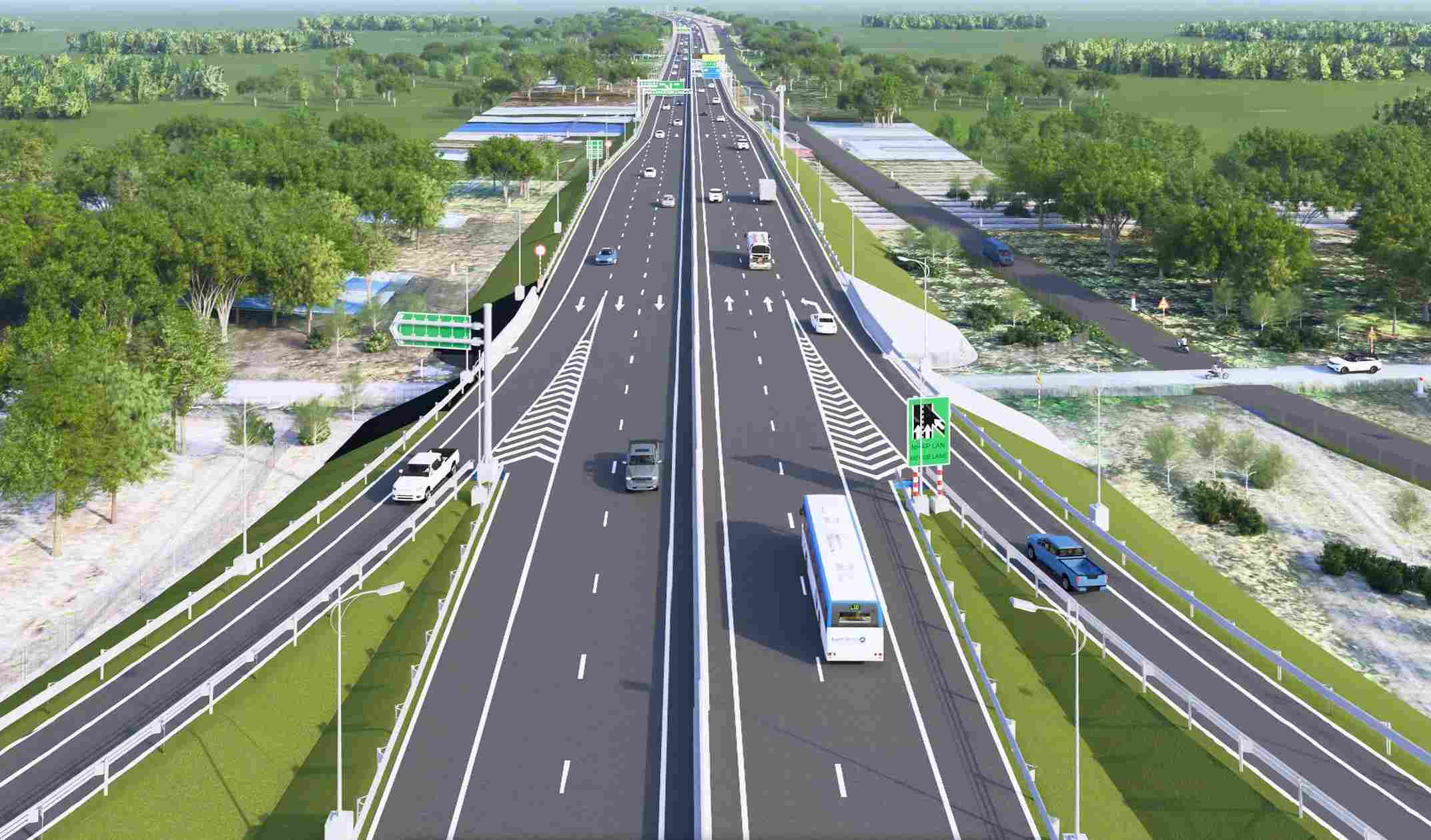
In phase 1, the route is invested with a scale of 4 expressway lanes (design speed of 100 km/h). Site clearance is carried out on a scale of 8 lanes, creating a reserve land fund for future expansion.
Currently, the Ho Chi Minh City People's Committee has established a Steering Committee to implement the project to invest in the construction of Ring Road 4 in Ho Chi Minh City, with the participation of leaders of the Ho Chi Minh City People's Committee, Dong Nai, Tay Ninh and relevant departments and agencies to accelerate the implementation progress.
Ho Chi Minh City and localities set a target to hand over at least 70% of the site by April 2026 and complete the entire area in 2026.
The component project of public investment is expected to start construction in 2026 and be completed in 2028. For projects in the form of public-private partnerships (PPP), the selection of investors and signing of BOT contracts are expected in June 2026.
The entire Ring Road 4 of Ho Chi Minh City is expected to start construction simultaneously on September 2, 2026, be completed in the second quarter of 2028 and put into operation in 2028.
The link to complete the inter-regional expressway network
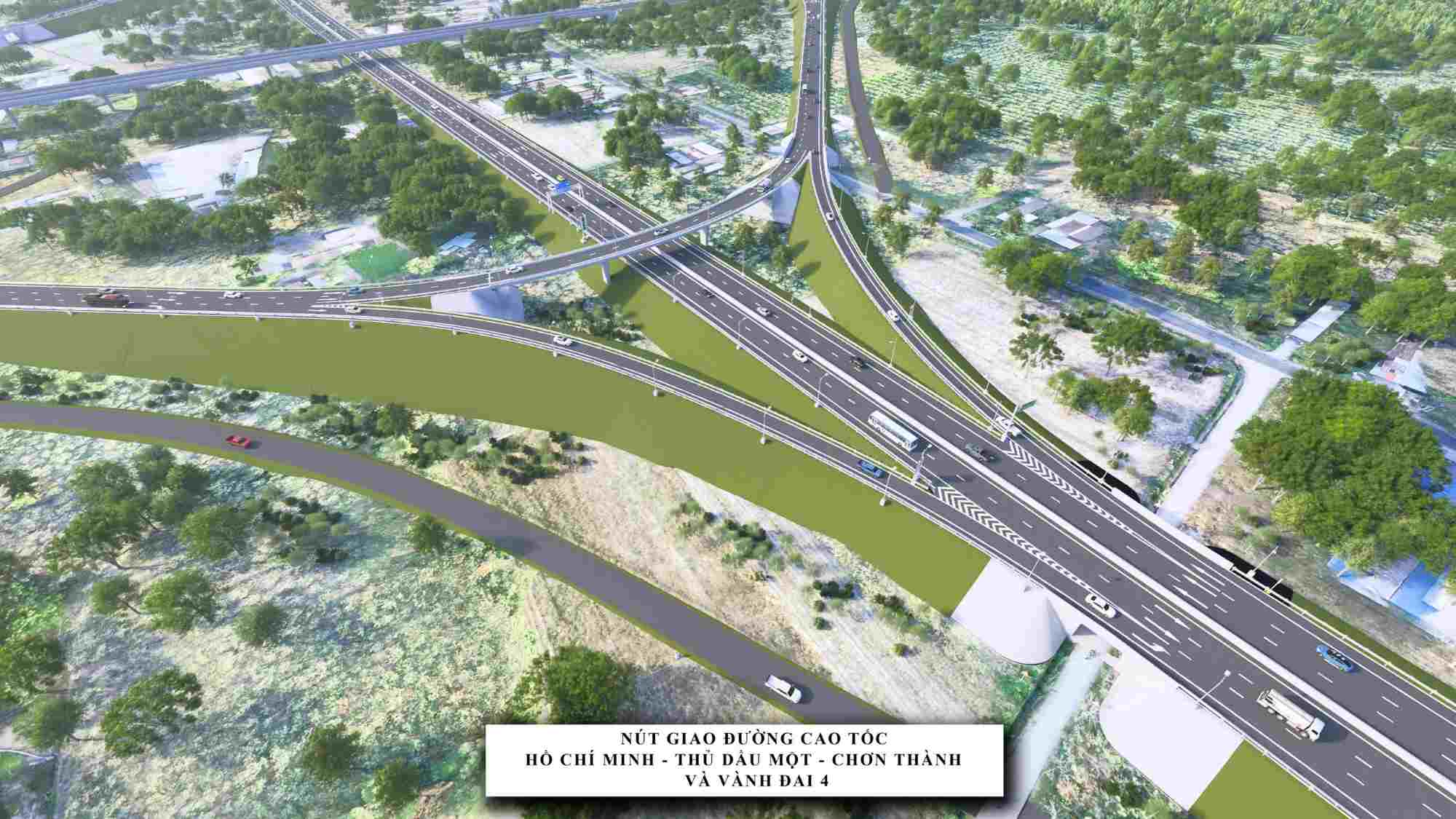
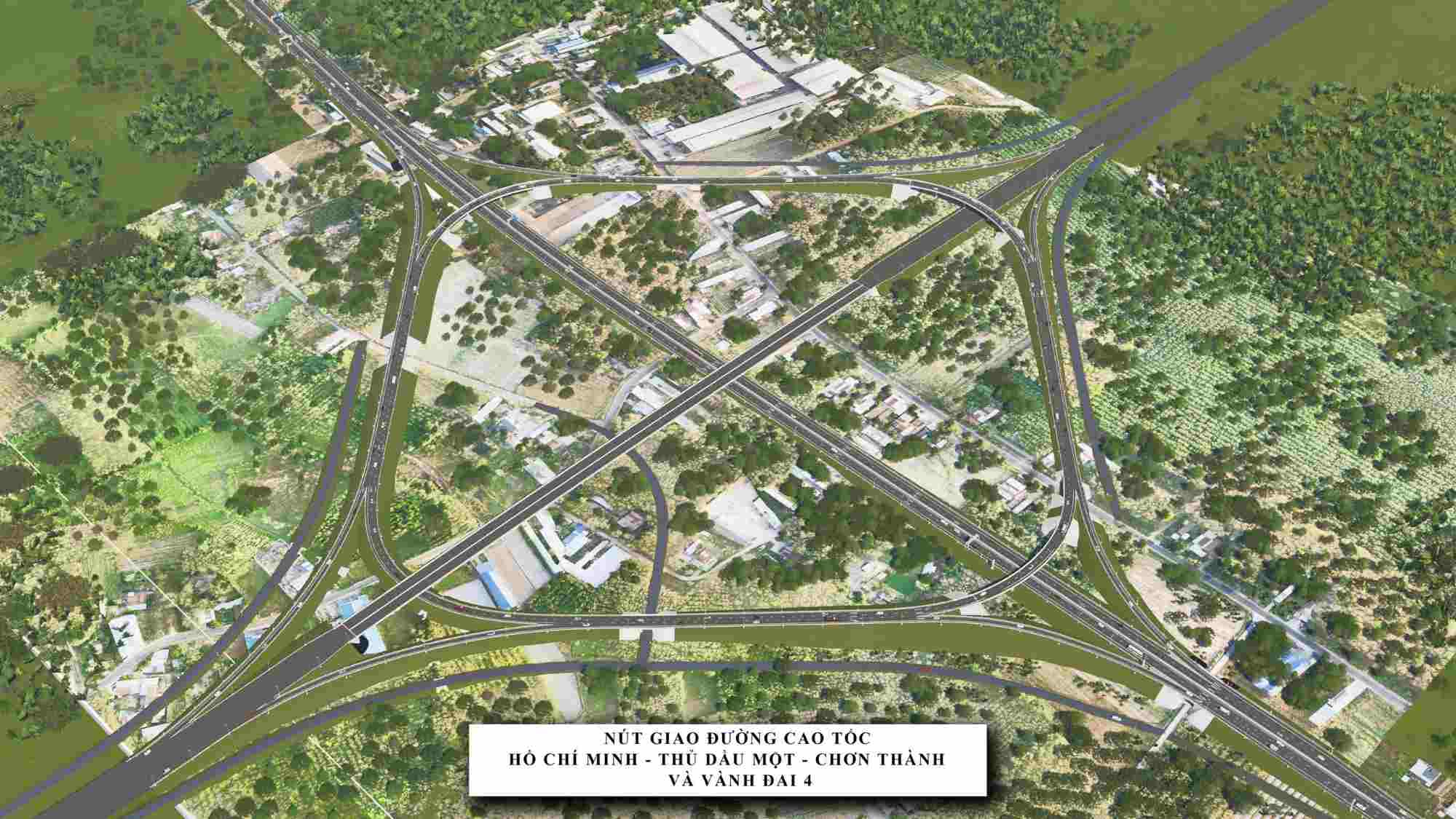
According to the Ho Chi Minh City Department of Construction, Ring Road 4 is an inter-regional expressway, playing a role in connecting important radial axes such as: Bien Hoa - Vung Tau expressway; Ho Chi Minh City - Long Thanh - Dau Giay expressway; Ho Chi Minh City - Thu Dau Mot - Chon Thanh expressway; Ho Chi Minh City - Moc Bai expressway; Ho Chi Minh City - Trung Luong expressway.
The investment in this ring road is an important condition to complete the expressway system connecting Ho Chi Minh City with the Southeast, South Central, Southwest, Central Highlands and Cambodia provinces.
Through the Ho Chi Minh City - Trung Luong expressway, Ring Road 4 will connect with the Mekong Delta provinces; through the Ho Chi Minh City - Moc Bai expressway opening the gateway to Cambodia; through the Ho Chi Minh City - Long Thanh - Dau Giay expressway connecting the South Central region; through the Ho Chi Minh City - Thu Dau Mot - Chon Thanh expressway creating a connecting axis to the Central Highlands.
Not only has traffic significance, the road is also considered a "backbone" expanding urban development space for the entire Southern key economic region.
Ring Road 4 will open up development potential for satellite cities such as Nhon Trach, Long Thanh (Dong Nai), Tay Bac Cu Chi Urban Area (HCMC), Duc Hoa, Duc Hue (Tay Ninh), Binh Duong New City, Thuan An...
At the same time, creating conditions to promote the development of areas with great potential such as Cu Chi, Nha Be (HCMC), Ben Luc, Can Giuoc (Tay Ninh), forming a large land fund for urban, industrial, commercial and service development.
Reduce congestion, reduce inner-city pollution
When Ring Road 4 of Ho Chi Minh City is put into operation, inter-provincial transport vehicles will no longer have to travel through densely populated areas, thereby significantly reducing congestion and environmental pollution in the central area.
Along with Ring Road 3 of Ho Chi Minh City being implemented, Ring Road 4 of Ho Chi Minh City will form a remote ring road system, supporting inter-provincial traffic diversion.
Vehicles heading Northwest - Southeast can circulate conveniently outside the Ring Road 3 of Ho Chi Minh City; vehicles from National Highway 13, National Highway 22 can quickly connect to the Long An and Hiep Phuoc port areas (Ho Chi Minh City).
The route also opens up an additional connecting direction between the former Binh Duong area and Long Thanh airport, in addition to Ring Road 3 HCMC, HCMC - Long Thanh - Dau Giay expressway.


