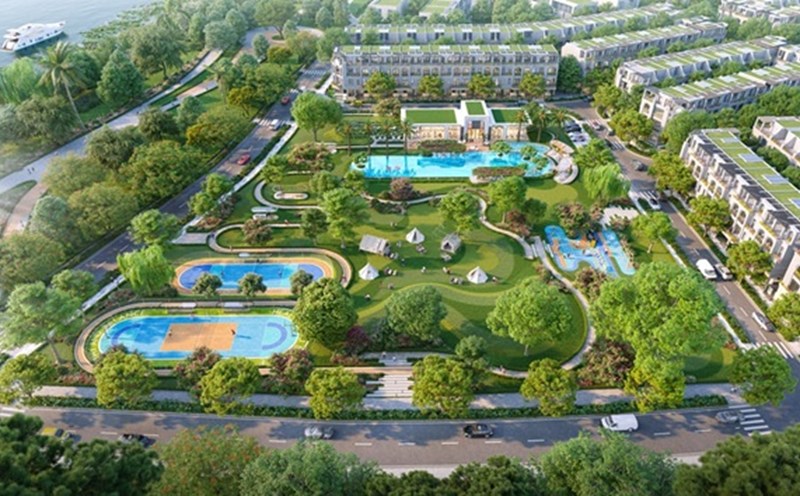
New Gia Lai, large area, large population, room for urban development
Expanded development space is promoting Gia Lai's strong shift in population structure, infrastructure and urban orientation. After the adjustment of boundaries, the province has an area of more than 21,550 km2, with a population exceeding 3.5 million people, creating great pressure on housing, transportation and social infrastructure.
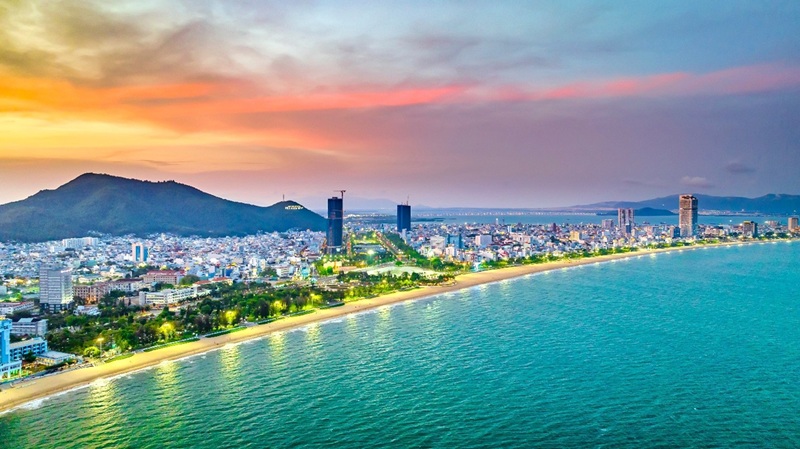
Large scale both opens up room for development and promotes Gia Lai to shift from a fragmented urban area to a well-organized structure. In that context, all-in-one urban areas with transparent legality, clear planning and synchronous infrastructure become the key to sustainable development.
Population shift demand & urban development
After the merger, the trend of population migration is clear, when people from remote areas come to new administrative center areas with synchronous infrastructure, convenient access to education, healthcare and services. Housing demand therefore does not stop at housing, but increases to requirements for quality of life with green space, a clean environment, reasonable density and integrated amenities.
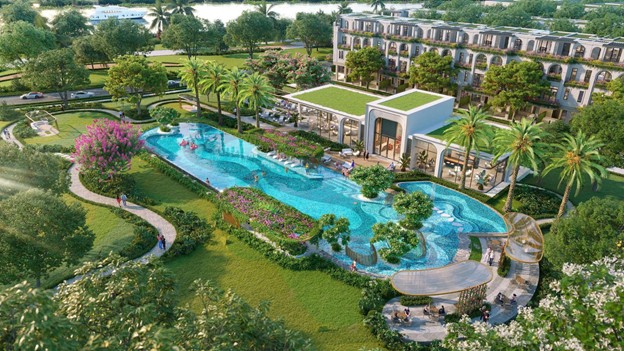
This is the gap that a model city can meet. With synchronous planning, coherent transportation, full utilities and open space, this model is suitable for the lifestyle that promotes openness and closeness to nature of Gia Lai residents.
Model urban areas "key" to sustainable development & smart planning
Regarding planning, Gia Lai is forming a new urban development framework. According to the investment invitation in July 2025, the province plans to deploy 5 urban areas with more than 900 hectares, capital of 32,877 billion VND, roadmap to 2031-2032, some projects extending to 2040. Urban development therefore becomes a strategic pillar, with a trend of shifting to land funds 5-10 km from the center to reduce infrastructure pressure and organize space more methodically.
Increase asset value & long-term stability
In terms of assets, well-planned urban areas are being seen as a channel for stable value accumulation. As Gia Lai increasingly affirms its role on the regional economic map, urban areas with transparent legal status and synchronous infrastructure often have good liquidity and long-term growth potential.
More importantly, this model helps localities control urbanization scientifically, avoiding the situation of overloaded centers and fragmented suburban development, thereby forming a balanced and sustainable urban structure.
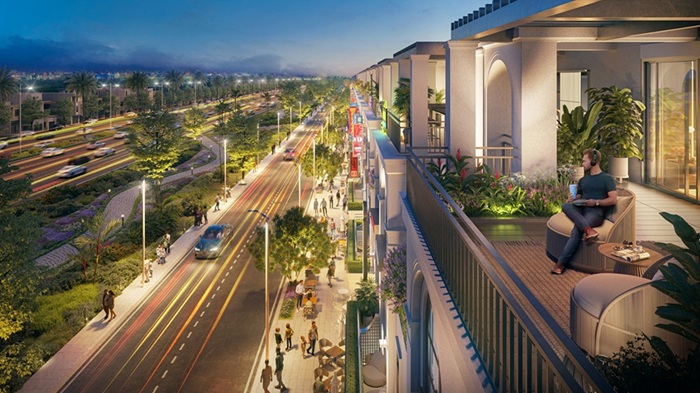
Expanded geographical space is forcing Gia Lai's urban development thinking to change. Model cities therefore become the foundation for a long-term strategy, where economic growth is linked to quality of life.
On the Gia Lai - Duyen Hai connecting corridor, the city is shifting from simple expansion to methodical planning, focusing on the environment, harmonizing nature and putting people at the center. Model cities are expected to become the nucleus shaping the face of Gia Lai in the next decade.